Sedum Dasyphyllum: Corsican Stonecrop Care and Varieties
Quick answer
Sedum dasyphyllum, also called Corsican stonecrop or thick-leaved stonecrop, is a tiny, mat-forming succulent from the Mediterranean with blue-gray leaves about the size of a grain of rice. It grows only about 1 to 3 in (2.5 to 7.5 cm) tall, spreads sideways into a dense cushion, and is generally listed as hardy in USDA zones 5 to 9. Give it full sun or bright light, a gritty soil that drains in seconds, and water only after the soil has dried out. In late spring or early summer it covers itself in small white, star-shaped flowers. The rest of this page walks through identification, the named forms, and the care that keeps the leaves tight and blue instead of green and stretched.
What Sedum Dasyphyllum Looks Like
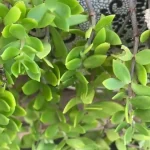
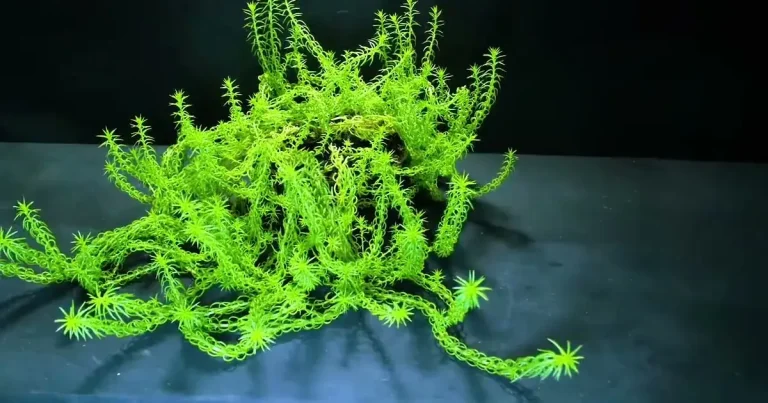
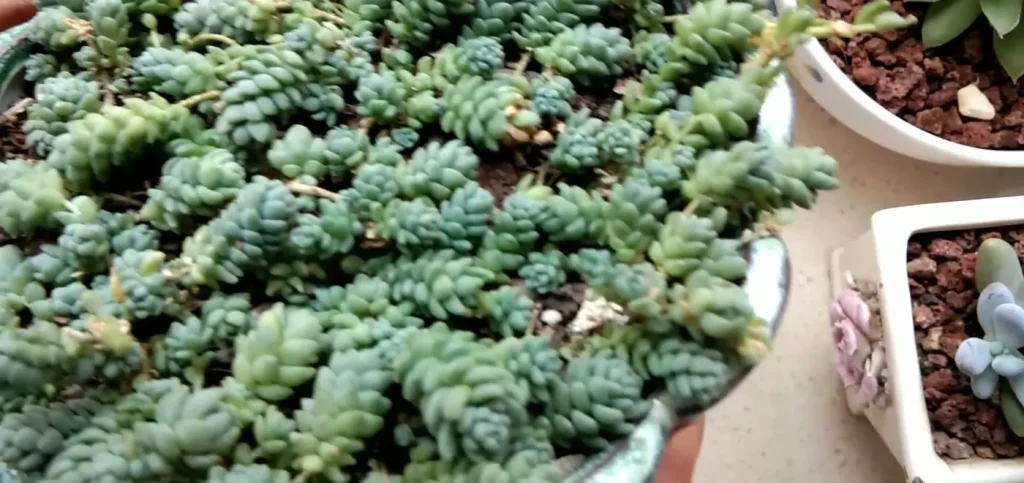
Each stem is short and soft, and the leaves sit in pairs so close together that the stem looks like a little column of beads. The leaves are plump, rounded and coated in a fine powdery bloom that rubs off if you handle them, which is where the blue cast comes from. In strong sun the tips can blush pink or purple; in shade the whole plant turns a plain green and the gaps between leaf pairs open up.
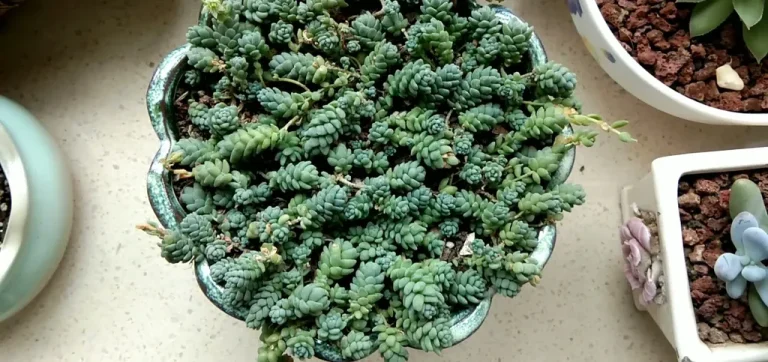
A single pot fills edge to edge within a season or two, because every stem that touches soil can root. That is how it behaves in the wild too: it grows in crevices of limestone walls and rocky slopes around the Mediterranean, from southern Europe across to North Africa, where it gets hard sun, very little soil and quick drainage.
It belongs to the stonecrops, the big sedum group, and my guide to sedum types and care shows where this low, creeping kind sits next to the upright border sedums and the trailing ones like burro’s tail.
Sedum Dasyphyllum Varieties: Minor, Major and Others
Several named forms are sold, and the labels are not always consistent between nurseries. Four names turn up most often:
| Name on the label | What sets it apart |
|---|---|
| Sedum dasyphyllum ‘Minor’ | Smallest leaves, the tightest mat |
| Sedum dasyphyllum ‘Major’ | Larger, fatter leaves, a looser cushion |
| var. glanduliferum | Leaves covered in short sticky hairs |
| ‘Riffensis’ | From Morocco, chalky leaves, more upright |
‘Minor’ is the one most people mean when they say Corsican stonecrop, and it’s the best choice for a small pot or a gap between paving stones. ‘Major’ is easier to keep alive for beginners because the bigger leaves hold more water and forgive a missed watering. The hairy glanduliferum form feels slightly tacky to the touch and holds onto dust, so it looks best outdoors where rain rinses it.
How to Tell It From Sedum Album and Other Look-Alikes
Sedum album, the white stonecrop, is the plant most often confused with it, and the two even show up in the same seed mixes. Look at the leaf shape and how the leaves are arranged:
- Sedum dasyphyllum has short, almost round leaves in opposite pairs, packed so tightly that you barely see the stem.
- Sedum album has longer, sausage-shaped leaves that sit alternately up the stem, with clear stem visible between them.
- Sedum dasyphyllum leaves are blue-gray and powdery; Sedum album leaves are glossy green and often turn red in sun or cold.
Small-leaved sedums are often mislabeled at garden centers, so trust the leaves over the tag. If the leaves are twice the size and spaced out along the stem, you most likely have ‘Major’ or a different small sedum, not ‘Minor’.
Sedum Dasyphyllum Care: Light, Water and Soil
Light is the part that decides whether the plant stays compact. Outdoors it wants full sun for most of the day. Morning sun with light afternoon shade is the safer mix in hot climates, because the tiny leaves can scorch when midsummer sun is combined with wet soil. With too little light the stems stretch, the leaf pairs separate, and the blue fades to green within a few weeks.
Soak the pot until water runs out of the hole, and don’t water again until the mix is bone dry to the bottom. Spring and fall are when it drinks most, especially in a small pot outdoors; in summer heat and in winter cold, it needs much less. The leaves tell you when they’re thirsty: they lose their roundness and start to look slightly soft and wrinkled. Shriveling at the base of the cushion while the tips stay plump is normal, as the oldest leaves dry and drop.
Soil should be at least half mineral grit. A mix of regular cactus soil with an equal amount of pumice, perlite or small gravel works well, and pots with a drainage hole are not optional. Shallow, wide pots suit this plant better than deep ones because the roots are short and spread sideways. For a full breakdown of mixes, see my page on the best soil for succulents.
Feeding is rarely needed. A light feed of diluted cactus fertilizer now and then during the growing season is plenty; heavy feeding makes the mat soft and leggy.
Is Sedum Dasyphyllum Cold Hardy?
Yes, within limits. It is usually rated for USDA zones 5 to 9, and it can survive winter lows down to about 0°F (−18°C) in the ground, as long as the soil stays fairly dry. Cold on its own rarely kills it; cold combined with soggy soil does. In wet winter climates, plant it on a slope, in a wall crevice or in a raised bed with plenty of gravel so water never sits around the stems.
Plants in pots are less hardy than plants in the ground, because the roots freeze from every side. In zones 5 and 6, move potted plants against a sheltered wall or into an unheated garage once hard frosts set in.
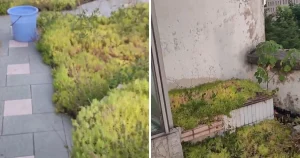
Heat and humidity are a bigger problem than cold in many places. On my rooftop in Huizhou, in southern China, summers are long, hot and humid, and that is the season this plant struggles. It slows down, some stems rot from the center of the cushion, and the mat thins. The fix is less water, more airflow and some afternoon shade through the hottest months; growth picks up again once nights cool down in the fall.
Can You Grow It Indoors?
You can, but it is harder than growing it outside. Indoors it needs the brightest spot you have, which usually means right in a south-facing window, or a grow light left on for most of the day. Even then, most indoor plants stretch over the winter. If you keep it inside, give it a summer outdoors in the sun each year to tighten back up, and water less often than you would outside, because indoor soil dries slowly.
Trimming Stems That Hang Over the Rim
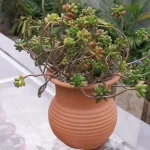
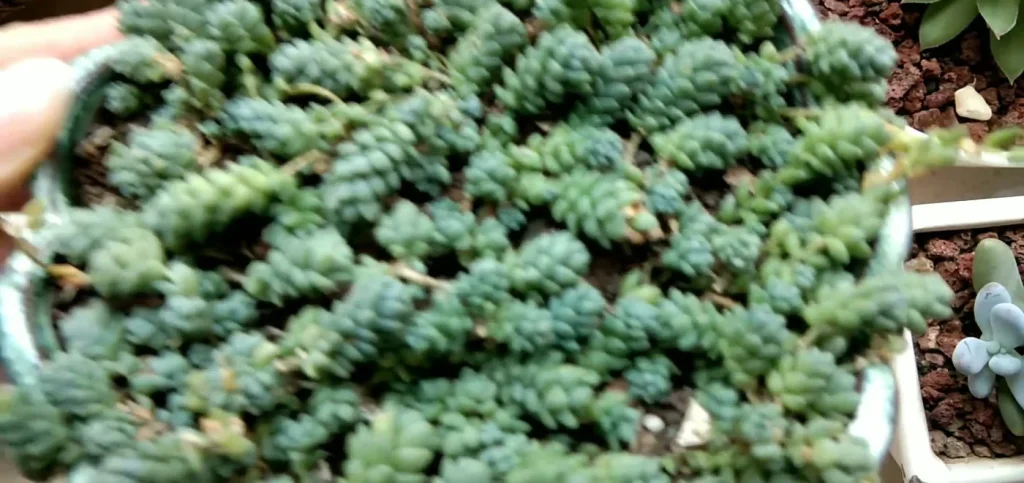
A healthy pot keeps spreading until stems spill over the edge, and those outer stems tend to grow long and loose. Trimming them keeps the cushion neat and gives you cuttings at the same time.
- Use small, sharp scissors so you cut each stem cleanly rather than crushing it.
- Cut stems that reach over the rim back to the edge of the pot, just above a pair of leaves.
- Thin any stems in the middle of the cushion that look soft or blackened, since those rot first in humid weather.
- Set the trimmed pieces aside on dry soil if you want new plants; they root without any extra help.
The best time to trim is spring or early fall, when the plant is actively growing and fills the cut spots quickly. Avoid heavy trimming in midsummer heat.
Cutting Back a Leggy Pot
If the plant has spent a season in too little light, the trim is bigger. The stems turn thin and long, the leaves sit farther apart, and the whole mat flops outward over the rim. This often happens in mixed dishes, where the stonecrop is the filler around larger rosette succulents and gets shaded by them.
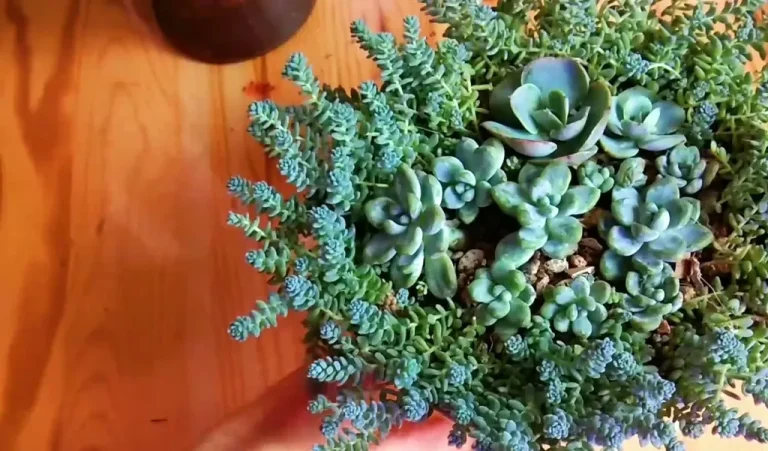
Don’t try to coax the stretched stems back into shape, because they won’t tighten up again. Cut them off at the pot edge and let the short growth left in the pot fill back in once it gets more sun.
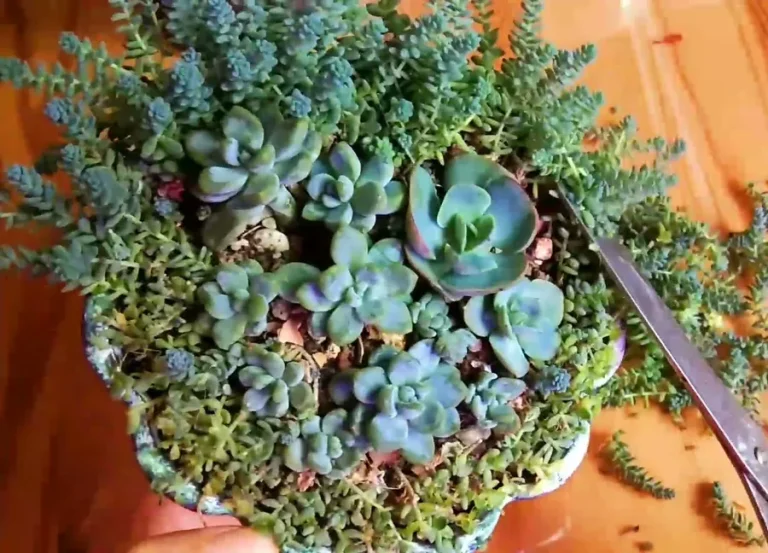
A leggy pot gives you a surprising pile of trimmings. Pick out the pieces with the plumpest tips and use them as cuttings; the thin, bare lengths of stem can go in the compost.
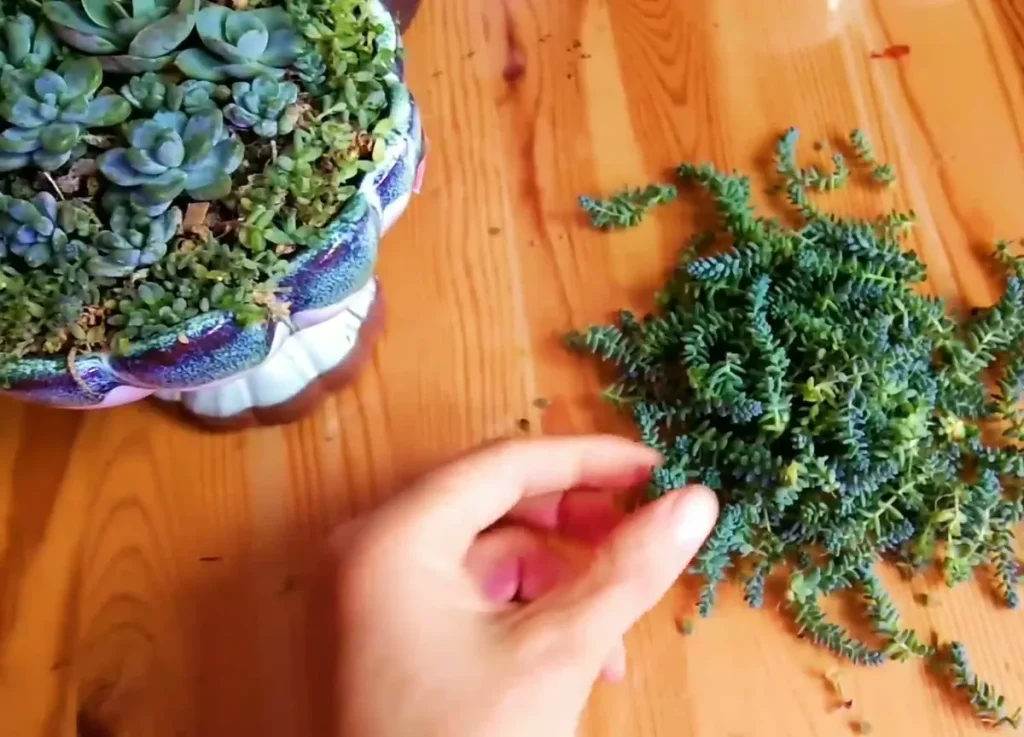
After a hard trim, move the pot to a brighter spot so the new growth comes in short and blue rather than stretching again.
How to Propagate Sedum Dasyphyllum
This is one of the easiest succulents to propagate, and you don’t need rooting powder or any special setup.
- Stem cuttings: take short pieces from the stem tips, let the cut ends dry briefly, then lay them on top of dry gritty soil and start light watering.
- Single leaves: leaves that fall off while you handle the plant will often root and grow a tiny new rosette where they land. Leave them on the soil surface rather than burying them.
- Division: pull a clump apart in spring and pot each piece on its own.
Scattering a handful of short cuttings over a new pot is the quickest way to get a full cushion again. Keep the soil barely damp, never wet, until you see new growth at the tips.
Does Sedum Dasyphyllum Flower?
Yes. Mature plants bloom in summer. The flowers are small, five-petaled and white, often with a pink tinge or pink stripe on the back of each petal. They sit in loose clusters on short stalks just above the mat.
Flowering stems die back after the blooms fade. Snip them off at the base so the cushion stays tidy. Bees and other small pollinators visit the flowers, which makes this a good plant for the edge of a rock garden or a green roof.
Where Sedum Dasyphyllum Works Best
Because it stays so low and spreads slowly sideways, it is ideal for places other plants can’t use:
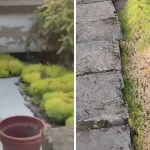
- gaps between stepping stones or paving, where it can take light foot traffic
- dry stone walls and rock gardens, tucked into crevices with a pinch of grit
- shallow pots, troughs and dish gardens next to other small succulents
- green roofs and other spots with thin soil and full sun
Keep it away from beds that get watered daily with the rest of the garden. It does best when it is left a little dry and a little neglected, which is exactly what its wall-crack origins suggest.