Propagating Succulents: Leaves, Cuttings, Offsets and Seeds
How to propagate succulents from leaves, stem cuttings, offsets and seed: which method suits your plant, how long each takes, and why most attempts fail.
 By Chunhua, rooftop grower in Huizhou
Published · 10 min read
Every Propagating Succulents guide
8 guides.
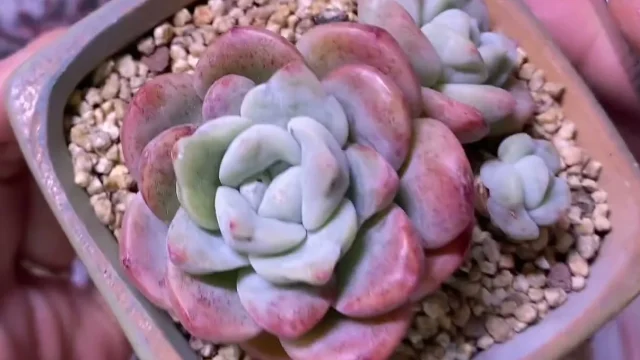
The Propagating Succulents Guide
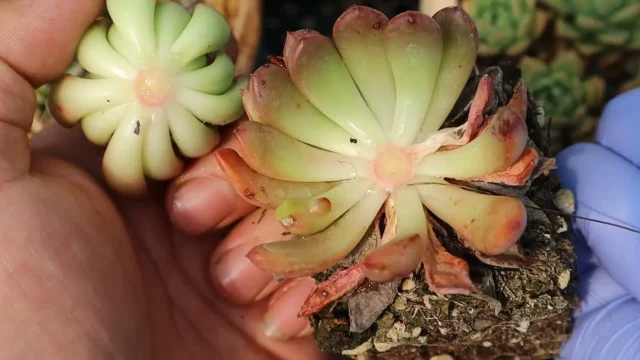
Propagating succulents means growing new plants from a piece of one you already have, either a single leaf, a stem cutting or an offset, or else from seed. In warm weather most stem cuttings grow roots within 2 to 4 weeks, and most leaves within 2 to 6. Nearly every method follows the same rules: let the cut end dry for a few days, set it on a gritty mix, keep it out of hot direct sun, and water only once roots appear.
The method that works depends on the plant. A rosette echeveria will grow from a fallen leaf, while an aloe almost never does. Below I start with how to pick the right method for your succulent, then go through leaves, stem cuttings and beheading, offsets and seed, the care they all share, how long each takes, and how to tell a slow start from a dead one.
01Which propagation method suits your succulent
1 min read · 1 photo · 1 tableRead this partClose
Look at how your plant is built before you cut anything. The shape tells you which part of it can turn into a new plant, and in my experience choosing the wrong method is what sinks most first attempts.
Plump-leaved rosettes and bead-like sedums store enough water in each leaf to start a new plant from a single one. Clumping plants such as aloes and haworthias spread by side pups, and their leaves usually rot before they root. Branching and stick-like succulents, including jade, pencil cactus and most spurges, root best from a length of stem.
| Your succulent | Examples | Best method | Usually fails |
|---|---|---|---|
| Plump-leaved rosette | Echeveria, graptopetalum, pachyphytum | Single leaves; behead if stretched | — |
| Bead or jelly-bean leaves | Sedum rubrotinctum, Sedum morganianum | Single leaves or short stem tips | — |
| Clumping rosette | Aloe, haworthia, sempervivum, agave | Offsets (pups) | Single leaves |
| Branching shrub | Jade (Crassula ovata), Portulacaria | Stem cuttings | — |
| Stick or column | Euphorbia tirucalli, columnar cacti | Stem cuttings | Single leaves |
| Paddle or flat rosette | Kalanchoe luciae (flapjack), aeonium | Beheading, stem cuttings, offsets | Single leaves |
| Globe cactus | Mammillaria, Echinopsis | Offsets, or seed | Leaves (they have none to use) |
If you want many plants of one kind quickly, leaves give the most starts from a single parent. If you want a bigger plant sooner, a stem cutting or an offset gets you there months faster, because it already has a growing tip.
Cacti follow the same methods as other succulents: offsets and stem cuttings work for most of them, and seed works for all of them. For the cactus side of the family, start with my cactus guide.
02Propagating succulents from single leaves
1 min readRead this partClose
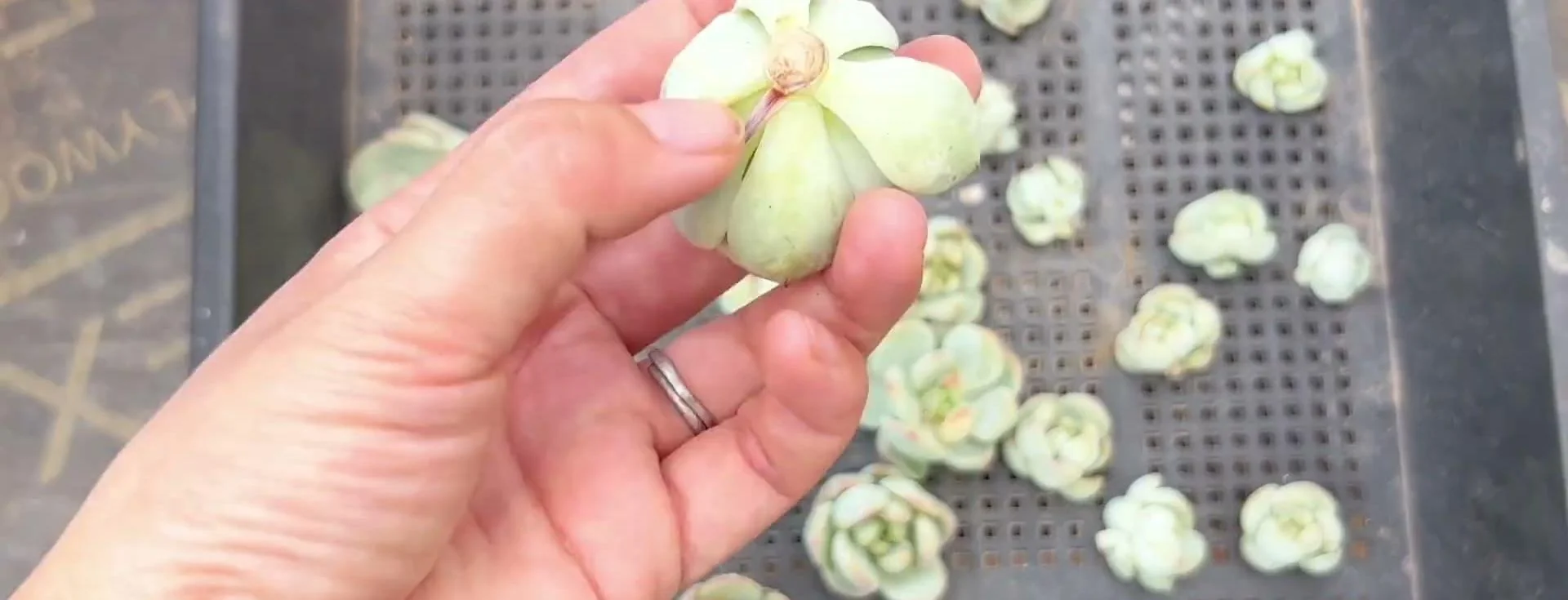
Leaf propagation suits rosettes like echeveria and graptopetalum, and sedums with bead-shaped leaves. Pick healthy, full leaves from the lower part of the plant and wiggle each one with a light sideways twist until it pops off whole. The tiny scar at the base of the leaf has to come off with it, because that is where the roots and the new rosette form.
A leaf torn halfway across will shrivel without growing anything.
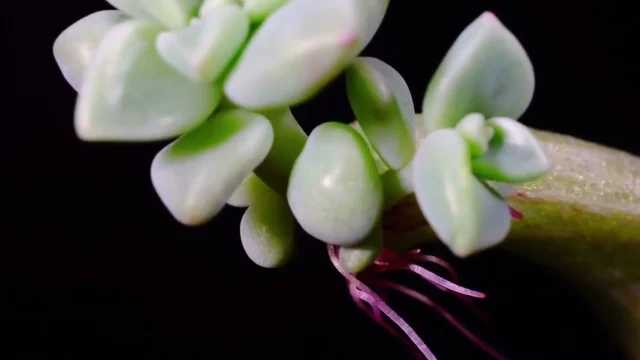
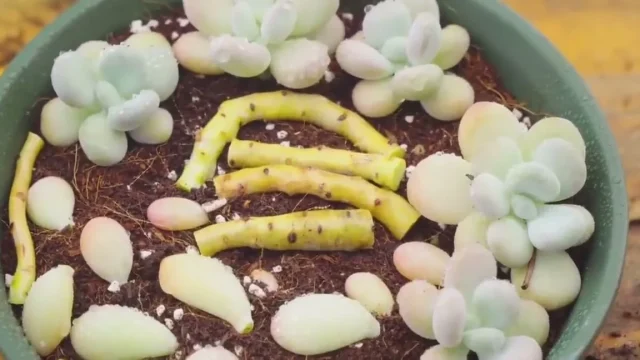
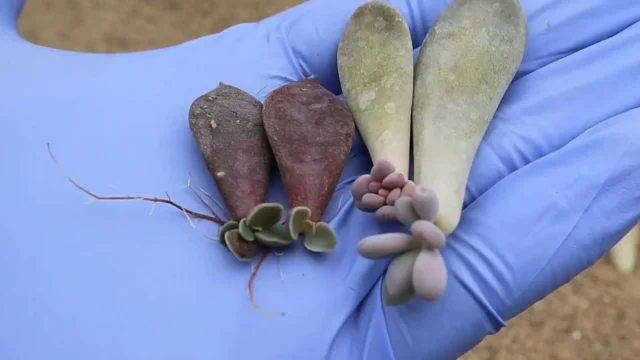
Lay the leaves on top of a dry, gritty mix in bright shade and leave them alone. You don’t bury them or water them at this stage. Within two to six weeks most good leaves push out thin pink or white roots or a tiny bud at the base, and the other one follows a few weeks later.
The old leaf feeds the new plant until it shrivels. Leave it attached until it is dry and papery, then lift it off. Once the roots are present, mist or lightly water the mix when it has dried out, and pot the baby up when it is about the size of a coin.
Expect losses. Even from a healthy plant, some leaves dry up without doing anything, and that is normal. The full timeline, stage by stage, and when to give up on a leaf are covered in my guide to how long succulent leaves take to propagate.
 03
Stem cuttings and beheading a leggy rosette
2 min read · 3 photosRead this partClose
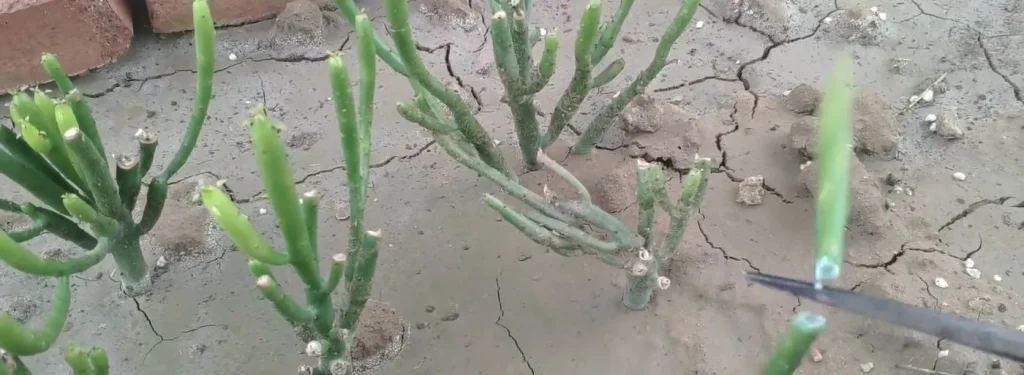
Stems root faster and give you a bigger plant than leaves, because a cutting already has a growing tip. This is the method for branching shrubs, stick-like succulents, columnar cacti and any rosette that has stretched out on a bare stem.
Taking a stem cutting
Cut a piece of stem 2-3.9 inches (5-10 cm) long with clean, sharp scissors or a knife, just above a leaf joint on the parent so it can branch again. Strip the leaves from the part of the cutting that will sit in the mix, because buried leaves rot.
Spurges need one extra step. A cut euphorbia bleeds white, milky sap that can burn skin and is dangerous in the eyes. Put gloves on before you cut, and hold the cut ends under running water until they stop bleeding. I learned this one on my own hands years ago, and I haven’t cut a spurge without gloves since.
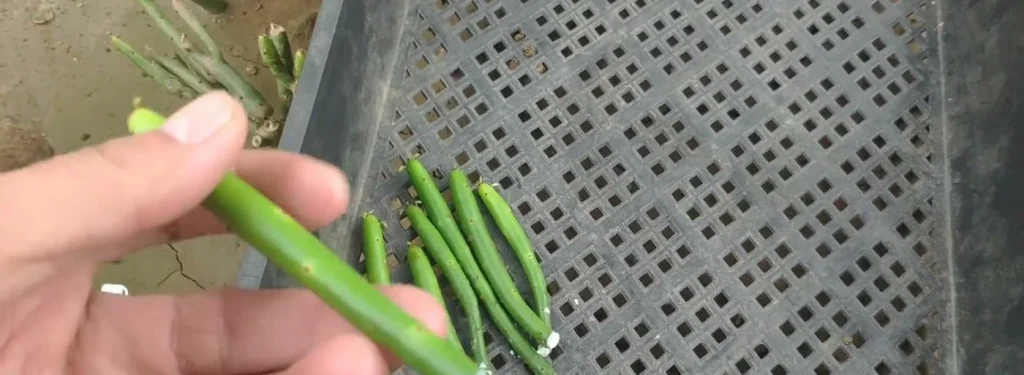
Let the cuttings dry in shade until the cut end is sealed. Thin stems need two or three days, and thick ones need a week or more. Then stand them upright in dry, gritty mix and wait for roots before you water properly. The same method works for columnar cacti, which I cover in tall cactus care, and for the blue candle cactus (Myrtillocactus geometrizans) in candelabra cactus.
Beheading a stretched rosette
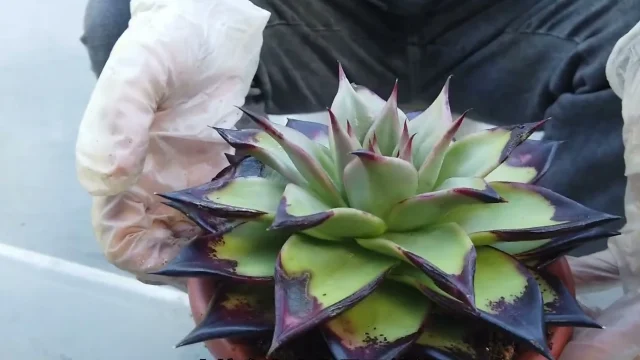
A rosette that has grown tall and leggy in poor light won’t tighten up again. The fix is beheading: you cut the rosette off with about 0.8-1.2 inches (2-3 cm) of stem attached, let it dry for a few days, and set it on fresh mix as a new, compact plant.
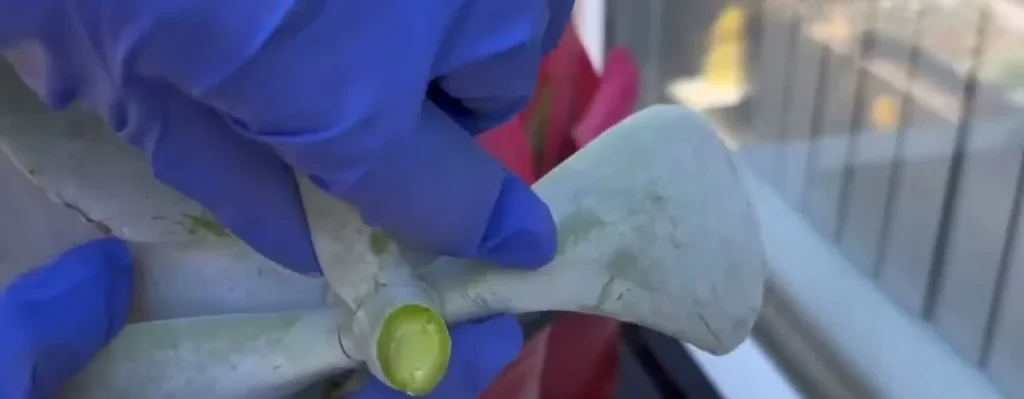
The stump left in the pot is just as useful. Give it bright light and a little water, and in the growing season fresh buds break along the bare stem, often several at once, anywhere from a few weeks to a couple of months later. I behead a few stretched echeverias on my rooftop each spring, and the stumps give me more plants than the heads do.
The cutting methods, scissors, thread and fishing line, are covered in detail in my beheading succulents guide, and the rooting stage in how to root a succulent.
04Separating offsets from the mother plant
1 min readRead this partClose
Offsets, also called pups, are small plants that grow from the base or the side of the parent with their own roots, or with roots about to start. Aloes, haworthias, sempervivums, agaves and many globe cacti make them freely. An offset is the surest method of all, because the plant has already done half the work.
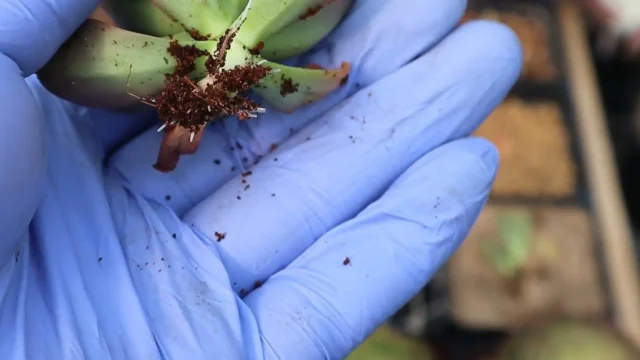
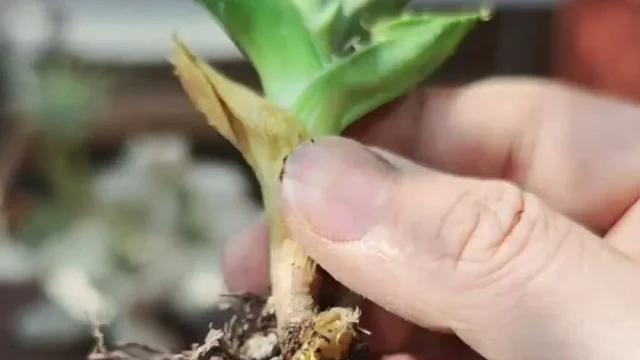
Wait until a pup is about a third of the size of the mother, or until you can see roots on it. Take the whole plant out of its pot and brush the soil away from the joint. Some pups come away with a gentle twist. Others need a clean cut close to the parent.
Let the wound dry for a day or two, longer if the cut was large. Then pot the pup on its own in gritty mix, water lightly, and keep it in bright shade for a week or two while it settles. Repotting the mother at the same time, with fresh mix, is a good habit.
How to tell when a pup is ready, and how to untangle a crowded clump without tearing the roots, are covered in my guide to succulent offsets.
05Growing succulents from seed
1 min readRead this partClose
Seed is the slowest way to propagate succulents, but it is the only way to raise dozens of plants at once or to grow species that rarely make offsets. Seed from a hybrid won’t come true, so the seedlings will differ from the parent plant. That can be part of the fun.
Sow the seed on the surface of a fine, gritty mix and press it in lightly without covering it. Most succulent seed is tiny and needs light to sprout. Water from below, then cover the tray with clear plastic or a lid to hold in humidity, and keep it warm, around 70-81 °F (21-27 °C), in bright light out of direct sun.
Many species sprout within one to three weeks. Once most of the seedlings are up, open the cover a little more each day so they toughen up. The seedlings stay tiny for months, and a globe cactus can take a year or two to reach the size of a marble, so plan on a long wait before they need pots of their own.
07How long does succulent propagation take?
1 min read · 1 photo · 1 tableRead this partClose
Most succulent cuttings root in two to four weeks in warm weather and leaves can take a little longer, but the time until you have a plant you’d put on a shelf varies a lot by method. The table shows typical times in the growing season. Cool or very hot weather can double them.
| Method | Cut end dries | First roots | New growth | Ready for its own pot |
|---|---|---|---|---|
| Single leaf | 1–3 days | 2–6 weeks | A few weeks after the first roots (tiny rosette) | 2–4 months |
| Stem cutting | 2–7 days | 2–4 weeks | 4–8 weeks | As soon as it’s rooted |
| Beheaded rosette | 2–3 days | 2–4 weeks | Head keeps growing; stump sprouts in a few weeks to 2 months | As soon as it’s rooted |
| Offset | 1–2 days | Often already rooted | 2–4 weeks | Straight away |
| Seed | — | Sprouts in 1–3 weeks | Slow | 6–12 months or more |
Leaves are the slowest way to get a full-sized plant, and offsets are the fastest. If you are asking what the fastest way to propagate succulents is, the answer is to divide a plant that has pups already.
08Signs a propagation attempt is failing
1 min readRead this partClose
Many leaves and cuttings look as if nothing is happening for weeks, then suddenly put out roots. Before you throw anything away, check for these signs.
A leaf or cutting that turns black, translucent or soft from the base is rotting, almost always from water or a cut that wasn’t dry. It won’t recover, so remove it before the rot spreads to its neighbors. A leaf that dries flat and papery with no roots and no bump at its base had a damaged growing point or was too old, so throw it out.
Roots with no new rosette is a slow start, not a failure. Some leaves sit with roots for weeks before a rosette appears, so keep them in bright shade and water lightly.
Cuttings that wrinkle a little while rooting are using up their stored water, which is fine. If one shrivels badly and still has no roots after six weeks, check that the cut end isn’t sitting on top of the mix with nothing to root into.
New growth that is pale and stretched means the light is too low. Move the tray somewhere brighter before the stretch sets in.
09Can you propagate a patented succulent?
1 min readRead this partClose
Some succulents sold in garden centers are protected cultivars. Their labels say “PBR”, “PP” followed by a number, or “propagation prohibited”. The breeder holds a plant patent or plant breeder’s rights, and those rights cover making new plants from the original by cuttings, leaves or offsets.
In practice the rule matters if you plan to sell plants or give away plants in quantity. The safe course is to propagate patented cultivars only if the label allows it, and to save your leaf trays for the many succulents with no such tag. Species and older cultivars, which are most of what you’ll find, carry no restriction.
Propagating Succulents words used in this guide
I grow succulents and cacti across a large rooftop garden in Huizhou, in the far south of China. The care notes here come from those plants, through hot, wet summers and mild winters, and are written for growers in the US.
About ChunhuaBest Soil for Succulents
Best soil for succulents: the 5 bags I'd buy, and how much grit to stir into each one.
See the picksSome product links earn us a commission. Affiliate disclosure