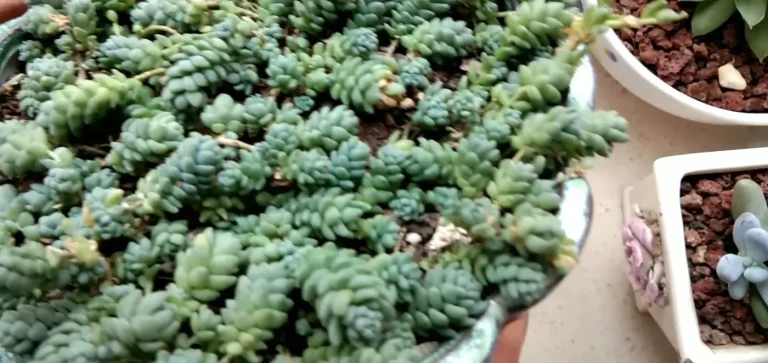
Creeping Sedum: Ground Cover, Care and Spreading the Plants
Quick answer
Creeping sedum is the common name for low-growing stonecrops that spread sideways across the ground, putting down roots wherever a stem lies on the soil. Creeping sedum plants stay a few inches tall, like full sun and lean, fast-draining soil, and need far less water than most groundcovers. The cheapest way to fill a bed is to shear the long tips off an existing patch, scatter or stick the pieces into loosened soil, and water once; almost every piece roots. Below are the two types I grow, where they work, how I spread them, and how they handle dry summers and cold winters.
What creeping sedum is: low stonecrops that root as they spread
Creeping sedum isn’t one species. Nurseries use the name for any sedum that grows as a flat mat instead of an upright clump, and the same plants are sold as stonecrop or groundcover sedum. The stems run over the soil and root as they go, so one plant slowly turns into a patch. How these mats compare with the upright and potted kinds is in my overview of sedum types and care.
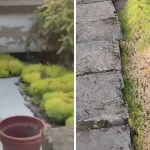
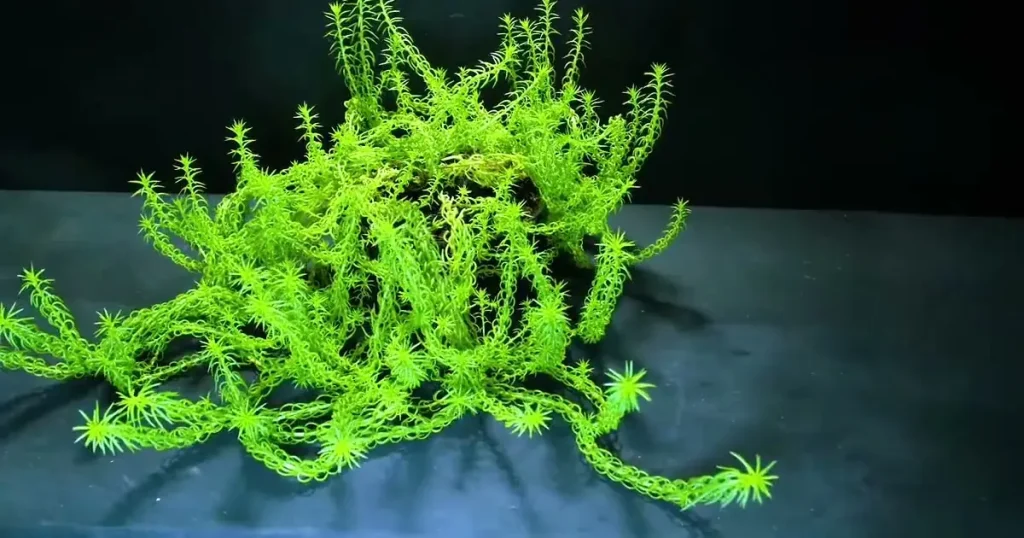
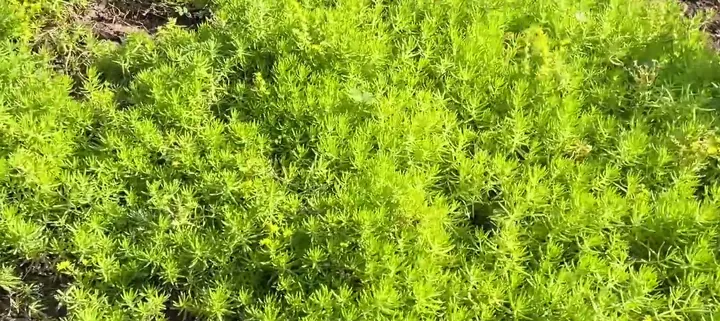
Two creeping sedums cover most of the open ground in my beds. The golden one is what Chinese growers call fojiacao (佛甲草): bright yellow-green, needle-shaped leaves packed so tight that no soil shows through.
The other is a blue-green type sold in China as zhonghua jingtian (中华景天), also called baoxue wannianqing. Its leaves are shorter and fleshier, and it grows into a low, rounded mat.
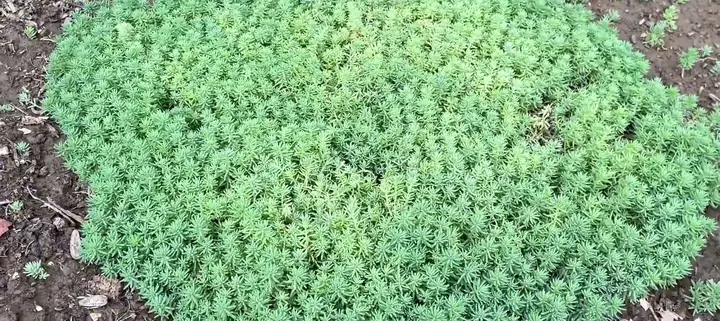
I can’t tie either one to a single botanical name with confidence, because Chinese trade names get used for several look-alike species. What matters more is that the two behave almost the same in the ground. They differ in color and in how much cold they take, which I come back to in the winter section.
Where creeping sedum ground cover works best
Creeping sedum does its best work in the spots other plants struggle with: sunny bed edges, thin soil, gaps between pavers and the open ground under taller perennials. The mat stays low, so taller flowers simply rise out of it.
In my beds the golden type fills the ground around coneflowers, and the yellow-green sits well against their pink petals. Of the two, I like the golden one’s looks better.
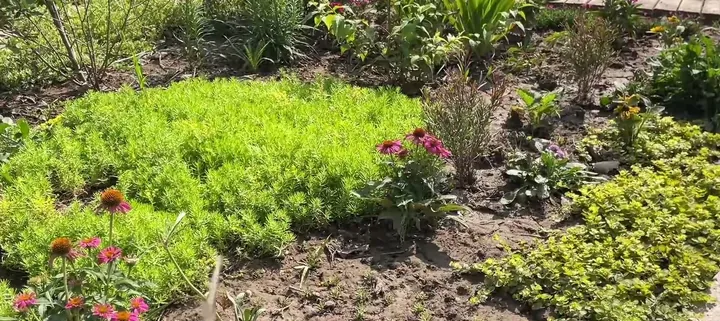
The trade-off is that a creeping sedum doesn’t stop at a border. Any stem that touches soil roots, so a patch will push into a lawn edge or crowd small plants unless you trim the edge back now and then. Red-leaved creeping types behave the same way, and my Dragon’s Blood sedum guide covers one of the most common.
How to spread creeping sedum plants from trimmings
Spreading a patch costs nothing, because the plant you already have supplies every piece you need. The whole method is three moves: take pieces, get them onto or into loose soil, and water once.
Shear the long tips off an established mat
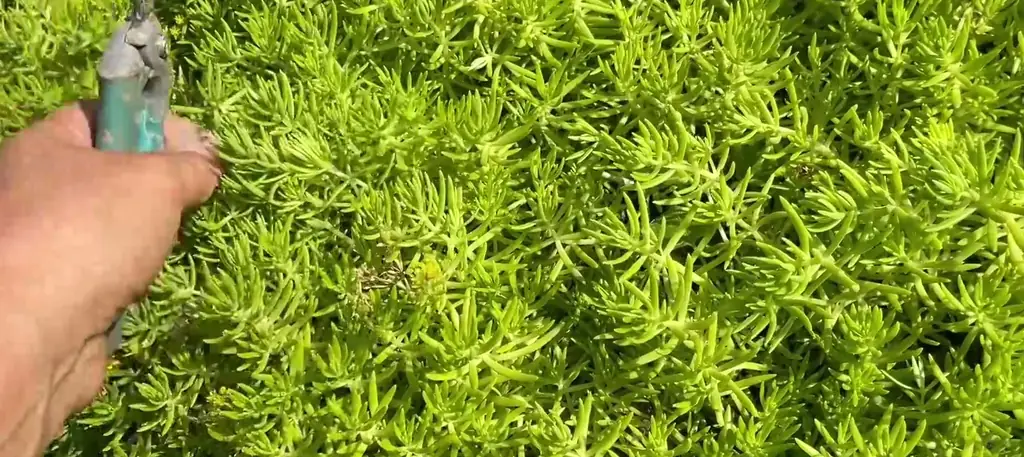
Once the stems on top of a mature patch grow long, I give the mat a haircut with pruning shears. That tidies it up and hands me a pile of cuttings at the same time. Breaking small pieces off the mat by hand works just as well.
Scatter or press the pieces into loosened soil
Loosen the soil first, scatter the trimmings over it, and water them in. Pieces lying on the surface root by themselves. In my beds, the biggest patches started as trimmings scattered this way the year before.
For a neater start, press each piece into the loose soil so it stands up. There’s no need to be careful about it; a quick push with your fingers is enough.
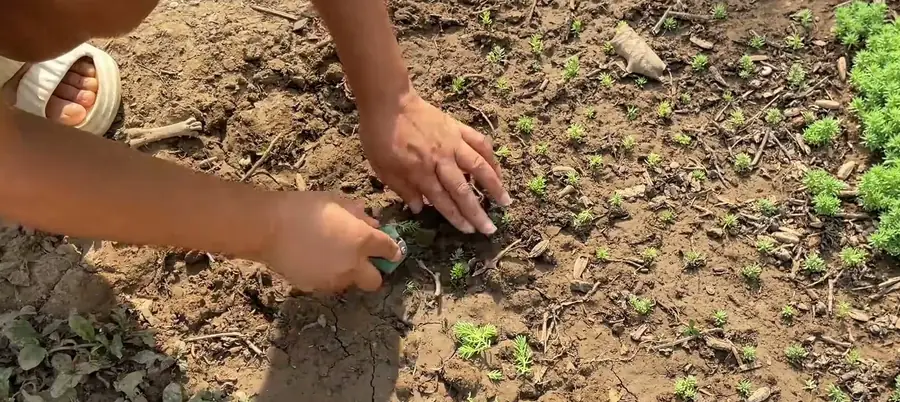
Pieces broken off the mat can go straight into the ground beside it, without the drying time that potted cuttings usually get first. These were pulled off the parent the day before and stuck right in.
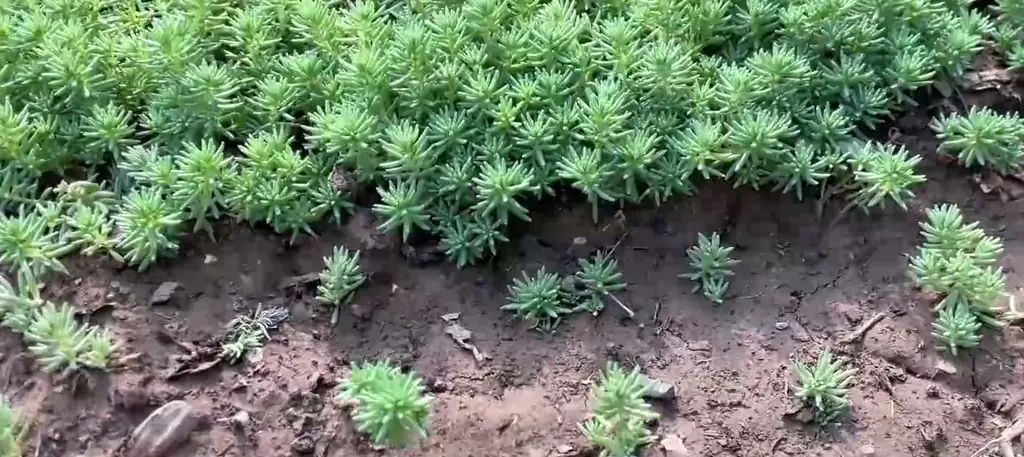
Poke the pieces into hard, dry soil
When summer heat bakes the ground into a crust, scattering is the wrong move. Poke a hole with a finger or a stick instead, and push each piece into it.
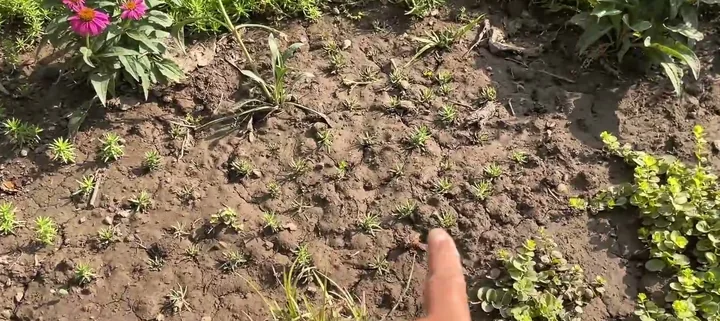
Water once, then leave the pieces alone
Water the whole planted area when you finish. After that, even freshly stuck pieces cope with a few days without water, and almost every one roots. If you’d rather start pieces in pots first, planting succulent cuttings walks through potting them up and the first watering.
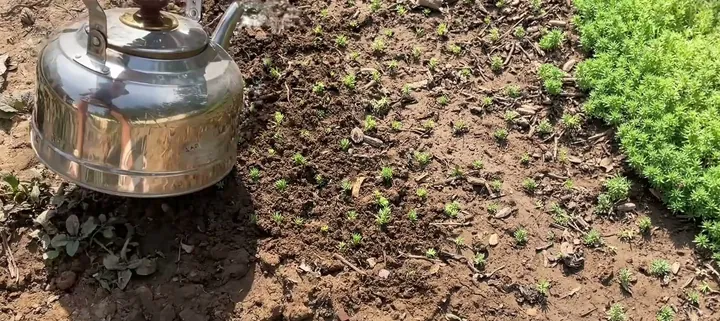
Creeping sedum care in summer: why it outlasts creeping jenny
Once a patch has filled in, summer watering is where creeping sedum earns its place. The clearest way to see it is next to creeping jenny, another golden groundcover that often shares the same beds.
Creeping jenny wilts badly after a few hot days without water, and once it collapses it’s slow to come back, even with daily watering again. Creeping sedum goes through the same dry stretch looking much the same.
That leads to a simple rule. If you can water every day through summer, either plant will do. If you can’t, plant creeping sedum.
Sedum still has limits. On my rooftop, a week to ten days of summer without rain is enough for the least-watered patches to go tan and begin to dry. Full sun and lean, fast-draining soil keep the mat compact; rich, damp soil makes it soft and floppy.
Getting creeping sedums through winter
Winters on my Huizhou roof are too mild to test either type. In colder gardens, a thin layer of fallen leaves spread over the mat helps it through the winter. A harsh winter can still kill the golden type outright.
The blue-green type is the hardier of the two in cold. If your beds freeze hard every winter, it’s the safer one to plant, even though the golden type looks brighter in summer.
Creeping sedum FAQ
Is creeping sedum a perennial? Yes. Creeping sedums are perennial succulents that come back from the same stems year after year, and many keep their leaves through winter in mild climates.
Can creeping sedum grow indoors? Groundcover types need strong sun and do best outdoors; indoors they tend to stretch toward the light. For a sedum that suits a sunny windowsill, Sedum rubrotinctum, the plump-leaved jelly bean plant, is a better pick.
What’s the difference between creeping sedum and creeping jenny? Creeping sedum has thick, fleshy leaves and handles dry spells well. Creeping jenny has flat, round leaves, isn’t a succulent, and needs regular water through summer.
Can I root creeping sedum in a pot before planting it out? Yes. A short piece set in gritty mix roots easily, and the general method is in my guide on how to root a succulent. More notes from my rooftop garden start from the home page.