Sedum Flowers: Bloom Time, How Long They Last and Aftercare
Quick answer
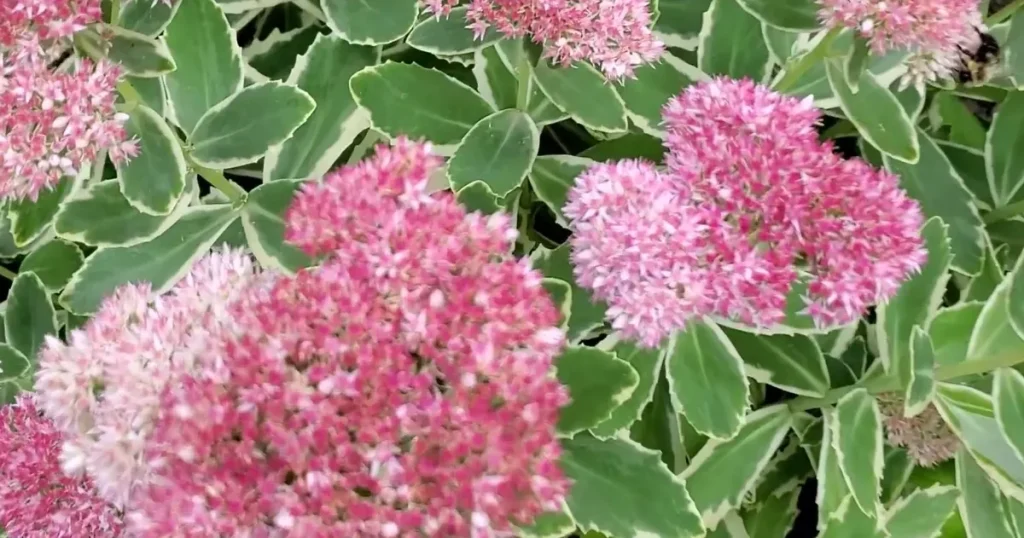
Sedum flowers are tiny, star-shaped blooms, usually with five pointed petals, packed by the dozens into clusters at the tips of the stems. The tall border sedums carry them in broad, domed heads of pink, rose, red or magenta from late summer into fall, while the low creeping kinds flower earlier, in late spring and summer, mostly in yellow or white. A head stays in color for several weeks, then dries in place into a brown seed head that can stand all winter. Below is how the flowers differ by type, how long the show lasts, and what to do with the heads once they fade.
What Sedum Flowers Look Like Up Close
From a few steps back, a sedum flower head looks like one solid flower, a bit like a pink broccoli crown. Get close and you’ll see it’s really many small, individual stars. Each one has its own short stalk, and the stamens stick out past the petals, which gives the whole cluster a fuzzy edge.
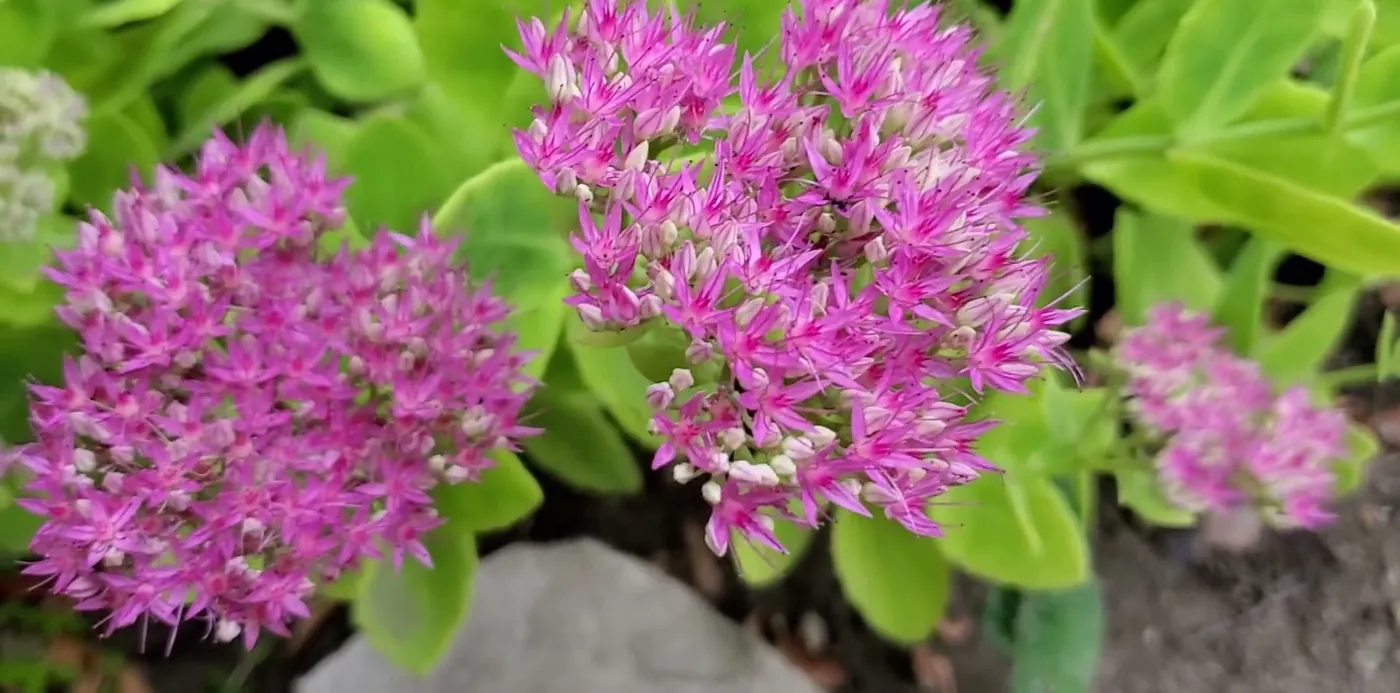
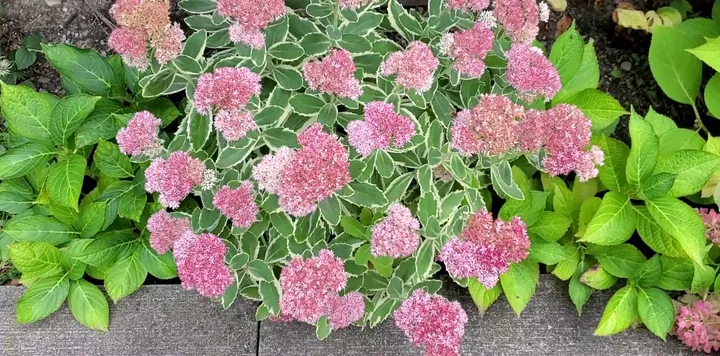
On the upright sedums, every stem ends in one of these flat or gently domed heads, and a clump of stems makes a whole bed of them. The leaves underneath are thick and fleshy, and on variegated plants the cream leaf edges sit right below the pink, so the flowers and foliage read as one planting.
When Do Sedums Bloom? Sedum Flowering Time by Type
Sedum bloom time depends mostly on which group your plant belongs to. Upright border sedums are the late ones. They spend spring and early summer as green clumps, set buds in midsummer, and open from late summer into fall, often after most other perennials have finished. That late timing is the main reason gardeners plant them. Most grow 1 to 2 ft (30 to 60 cm) tall and are hardy in roughly USDA zones 3 to 9, depending on the variety.
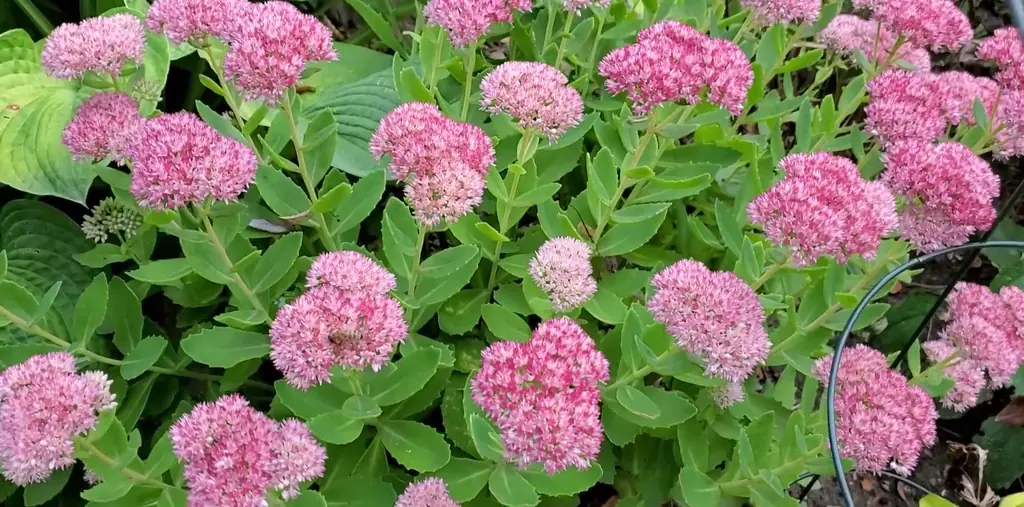
The low creeping sedums usually stay 2 to 6 in (5 to 15 cm) tall, and they flower earlier and on a much smaller scale. Their stars sit on short stems just above the mat. Potted, tender sedums keep their own schedule again, and they often won’t flower at all if they’re kept somewhere dim indoors.
| Sedum type | Height | Usual bloom time | Flower colors | Examples |
|---|---|---|---|---|
| Upright border sedum | 1–2 ft (30–60 cm) | Late summer into fall | Pink, rose, red, magenta, some white | ‘Autumn Joy’, ‘Matrona’, ‘Autumn Fire’ |
| Creeping groundcover sedum | 2–6 in (5–15 cm) | Late spring through summer | Mostly yellow or white, some pink and red | Goldmoss (Sedum acre), white stonecrop (Sedum album), Dragon’s Blood |
| Small potted sedum | Varies | Often late winter or spring | Mostly yellow or white | Jelly bean plant |
The exact weeks shift with your climate and with the variety, so treat the table as an order of events rather than a calendar. Soil, water and winter care differ between these groups too, and the main sedum page walks through each one.
Sedum Flower Colors: Pink, Red, Magenta and the Yellow Creepers
Pink is the color most people picture, but the upright sedums run from pale pink to a deep red. Even on the same planting, some heads are soft pink while others have already gone a darker rose. That color variation comes partly from age, since a head that opened earlier has had longer to deepen.
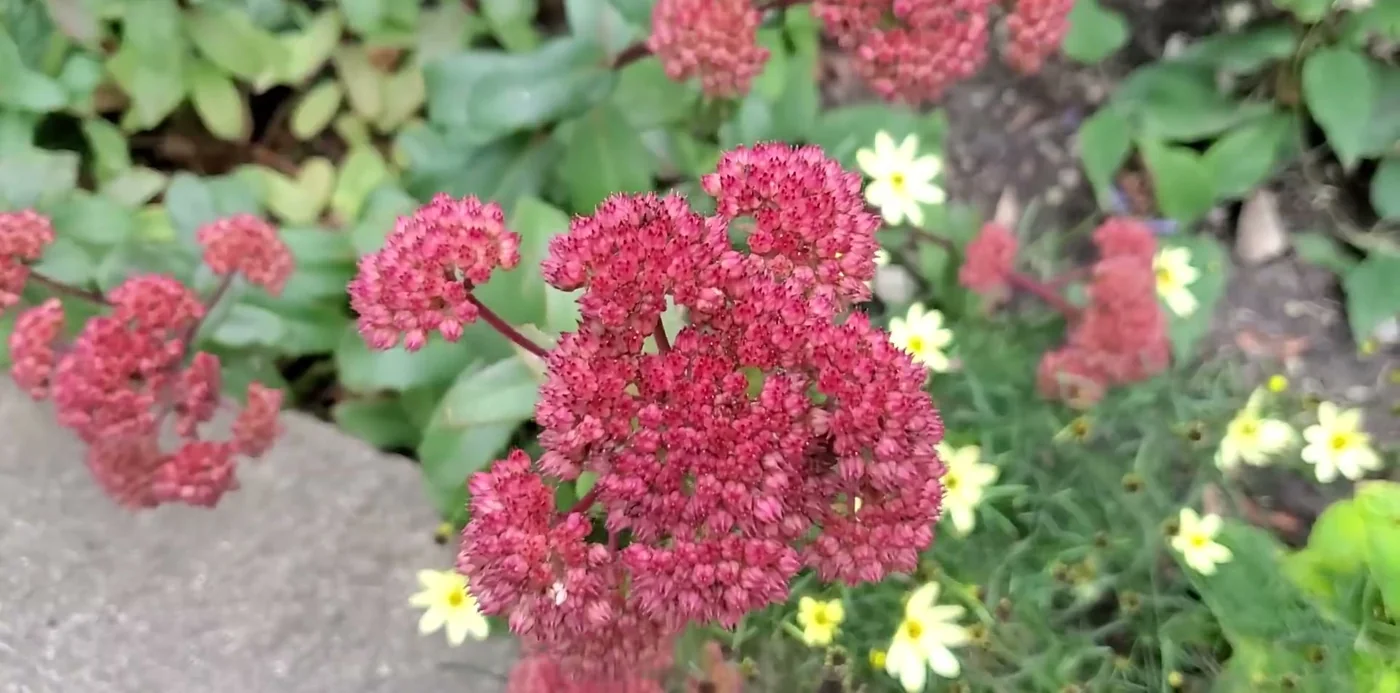
Many upright varieties keep changing after they open. ‘Autumn Joy’ is the classic example: its heads open pink, deepen toward copper and rusty red, and finish brown. The magenta kinds stay brighter for longer. The creeping sedums mostly stick to yellow or white stars, though a few, like Sedum dasyphyllum, have white flowers tinged with pink. Leaf color doesn’t tell you much about flower color, since lime-leaved and dark-leaved plants can carry the same pink.
How Long Do Sedum Blooms Last?
A head of upright sedum usually stays in color for several weeks, and the planting as a whole lasts longer than any one head because the clusters don’t all open at once. On the same clump you can find one head still in tight, pale green buds next to others that are fully open.
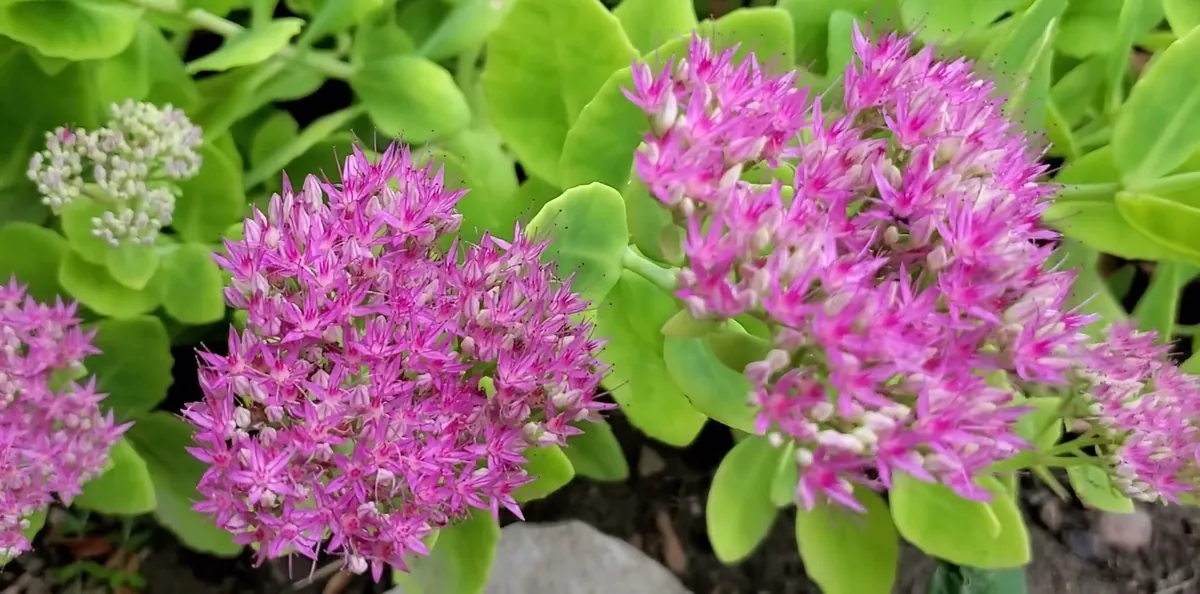
After the color fades, the head doesn’t drop. It dries in place to a brown or mahogany seed head and can stand through winter, which is why upright sedum still gives a bare bed some shape in January. A creeping sedum’s flowers are briefer, and the flowering stems usually brown off within a few weeks.
Do Sedum Flowers Attract Bees and Butterflies?
Yes, and that’s one of the best reasons to grow the upright kinds. Each head is a flat landing pad packed with nectar-rich stars, and it opens late in the season, when bees have fewer other flowers to work. Bumblebees, honeybees and butterflies all visit, and they’ll keep coming back throughout the bloom.
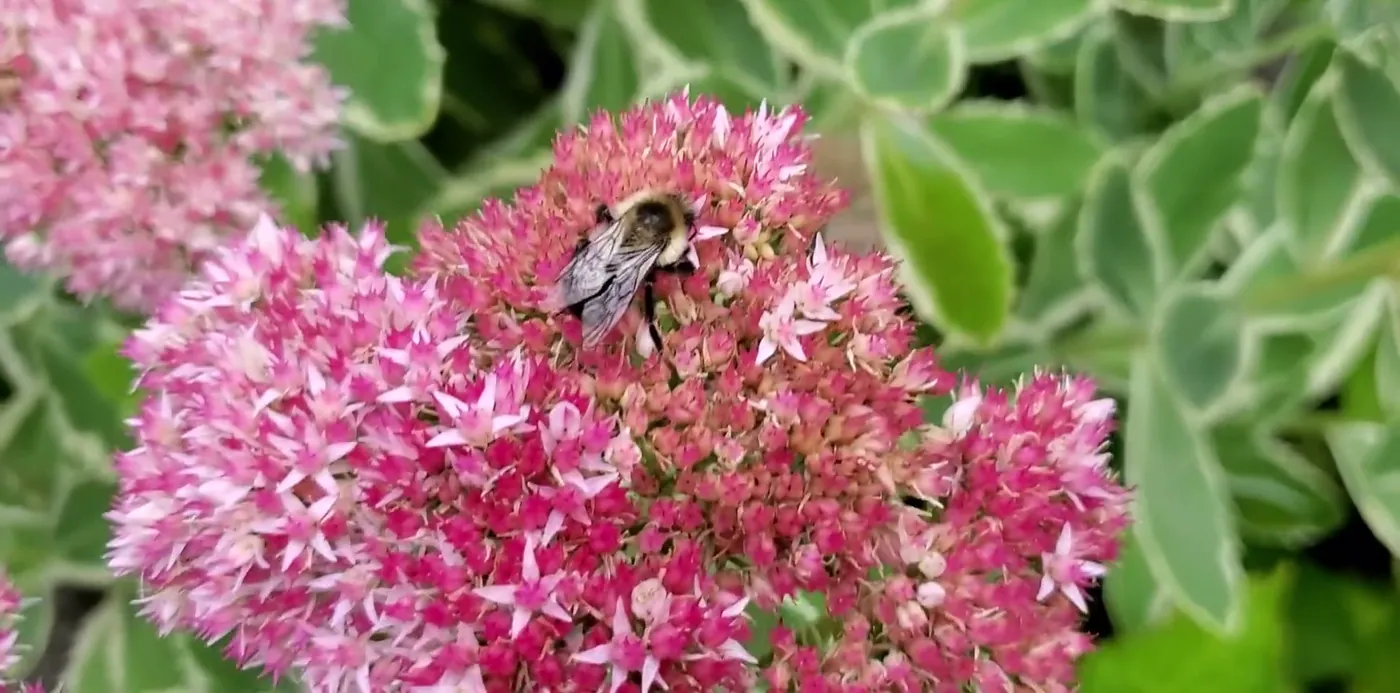
If you want the pollinators, skip any spray on the flower heads while they’re open. The creeping sedums draw small bees too, just earlier in the year.
Are Sedum Plants Full Sun? Getting More Flowers From a Clump
Sedum flowers best in full sun, meaning at least 6 hours of direct sun each day. In part shade the plants still grow, but flower production drops noticeably, and upright stems turn soft and lean outward. That flopping is the most common complaint about tall sedums: a heavy head on a weak stem leans out, and the whole clump splits down the center.
Rich soil, lots of water and fertilizer make the flopping worse, because they push soft, fast growth. Lean, well-drained soil and a sunny spot keep the stems short and firm enough to hold their heads up. If your clump splits open every year anyway, shorten every stem by about a third, or up to half, in late spring. Gardeners call this the Chelsea chop, after the London flower show held at the end of May, which is about when the cut is made. The plant comes back shorter and sturdier, and it flowers a little later and a little smaller.
Sedum Flower Care After Blooming: Cut or Leave the Heads?
On upright sedums, the fading heads need no attention at all. I’d leave the dried heads standing, because they keep their shape through winter and catch frost nicely. As the new shoots appear at the base toward the end of winter, cut the old stems down to just above them, before the new growth gets tall enough to snag.
If you’d rather have a tidy bed, cutting the stems to the ground in fall works too, since the new shoots come from the crown, not from the old stems. Fresh heads also hold up well in a vase, and they dry well for fall arrangements and wreaths.
Creeping sedums are simpler. Once their flowers fade, snip the spent flower stems at the base, and the mat stays neat. Leaving them isn’t harmful. You just get a few weeks of brown stalks.
Can You Grow Sedum From Flower Seeds?
You can, but seed is the slow way. Sedum seed is dust-fine, and the mixed sedum seed packets sold online are mostly low groundcover species. Named upright varieties like ‘Autumn Joy’ rarely come true from seed, so a seedling may look nothing like its parent.
Stem cuttings and division are far quicker, and they’re the only way to get an exact copy of an established plant. A piece of stem pushed into gritty soil usually roots within a few weeks, and an upright clump can be split in spring as the shoots come up. The steps for planting succulent cuttings, from the soil mix to the first watering, work the same way for a sedum stem. Give either one sun and a lean bed, and the new plant will flower on its own schedule from then on.