Types of Sedum Plants: Creeping, Upright and Potted Varieties
Quick answer
Sedum plants fall into three practical types: low creeping sedums that spread across the ground, upright sedums that grow into knee-high clumps and flower in late summer, and small tender sedums grown in pots. Most creeping and upright kinds are frost-hardy garden perennials, while the potted ones come mainly from Mexico and need to be kept from hard frost. Below, I go through the varieties you’re most likely to meet in each group, then the pairs people most often mix up.
How to tell which type of sedum you have
Three checks make identification simple enough to sort almost any sedum into its group, even when the plant came without a label. Look at the height and habit first: a plant that hugs the ground and roots along its stems is a creeping type, and a plant with thick, unbranched stems rising from one crown is an upright type. Then look at the leaves. Upright sedums have broad, flat leaves, often with a toothed edge, while creeping and potted sedums have small, plump leaves shaped like needles, beans or tiny paddles.
The last check is winter. Creeping and upright sedums stay in the ground through freezing weather, and the upright ones die back to the crown and come up again in spring. Potted sedums keep their leaves all year but turn mushy after a hard frost, so a plant that has lived on a windowsill since you bought it almost always belongs to the third group.
| Type | Typical height | Leaves | Winter outdoors | Examples |
|---|---|---|---|---|
| Creeping | Low mat, ankle-high or less | Small, needle-like or flat | Most stay out | Spanish stonecrop, stringy stonecrop, needle stonecrop |
| Upright | Knee-high clump | Broad, flat, often toothed | Dies back, regrows | Autumn Joy, variegated showy stonecrop |
| Potted | Low, sized for a pot | Plump beans, fingers or rosettes | Needs frost shelter | Jelly bean plant, many fingers, Golden Glow |
For how the three groups differ in light, soil, water and winter care, see my main sedum care guide.
Creeping sedum varieties for ground cover
The creeping group holds the most varieties, and nurseries sell them under the same few labels, so the leaves are the only dependable way to tell them apart, and a careful comparison of leaf shape beats trusting the tag. The three below are among the easiest to find, and each one spreads in its own way.
Spanish stonecrop (Sedum hispanicum)
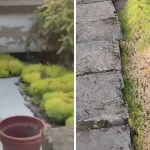
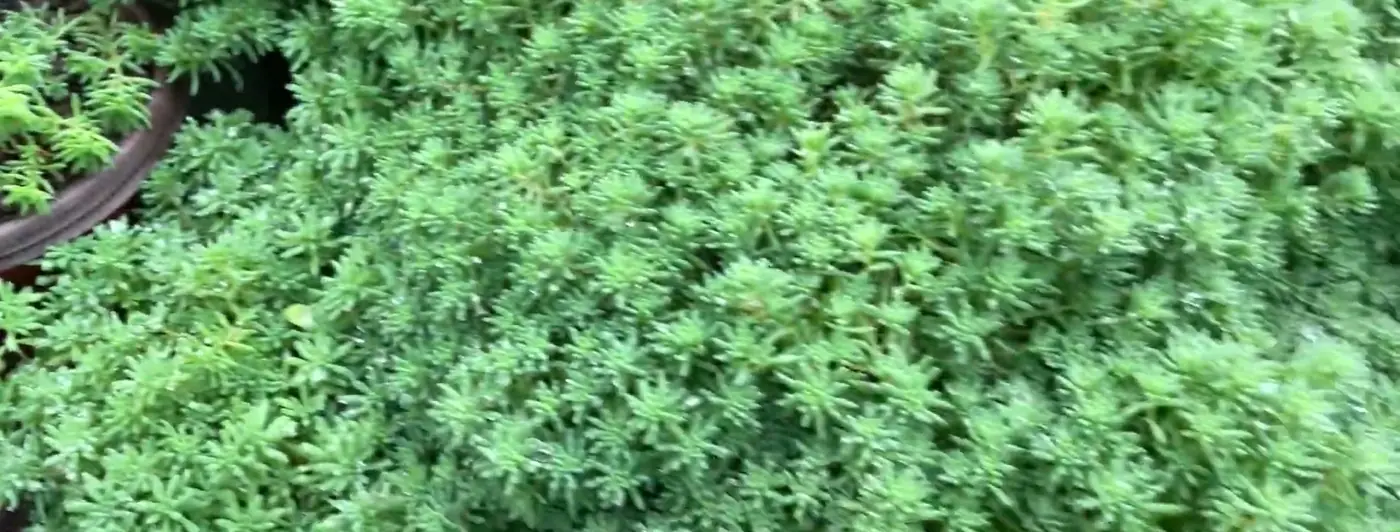
Spanish stonecrop makes a fine, soft mat only a few inches tall. Its leaves are short, pointed and packed along the stems, gray-blue in full sun and a brighter green in milder, wetter weather. The flowers are small white stars in early summer. The plants are short-lived, but they seed themselves into gaps, so a patch tends to move around rather than vanish.
Stringy stonecrop (Sedum sarmentosum)
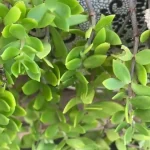
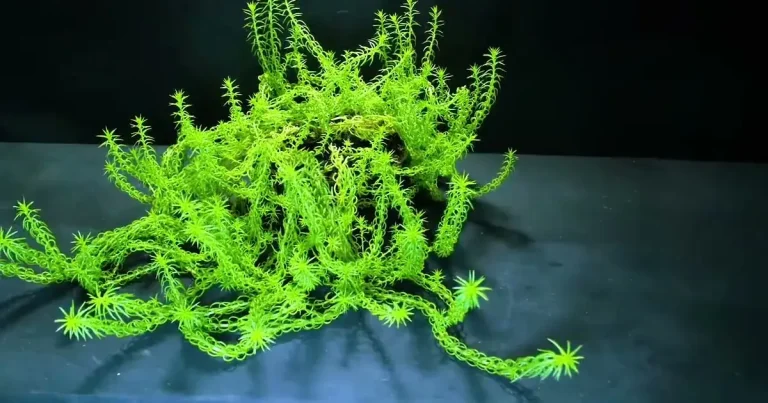
Stringy stonecrop has the largest leaves of the three: flat, pointed ovals set in rings of three along long, trailing stems. It covers ground fast and roots from almost any piece that touches soil, which makes it useful in hanging pots and a nuisance next to a lawn. It flowers bright yellow in late spring.
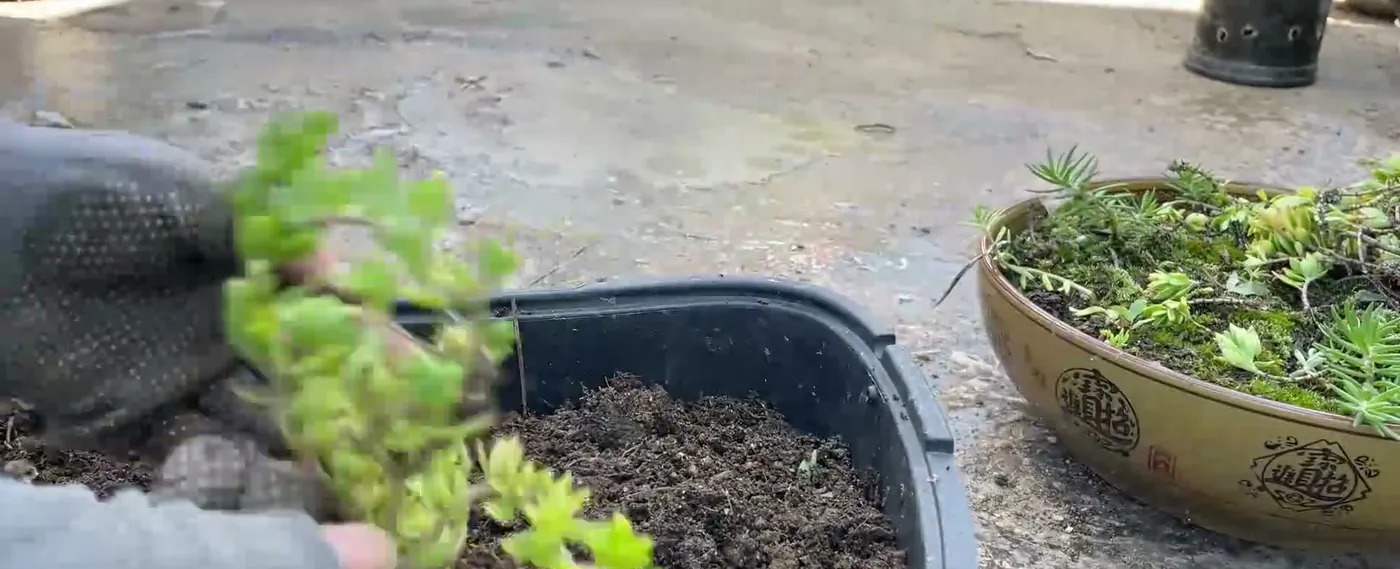
I cover how fast it spreads, and how to start new pots from trimmings, on the stringy stonecrop page.
Needle stonecrop (Sedum lineare)
Needle stonecrop also carries its leaves in threes, but they’re narrow and needle-shaped. The plain green form is widely planted on green roofs in China, and a variegated form with white leaf edges is common in pots. I grow a golden needle-leaf sedum in the beds on my rooftop in Huizhou, and of all my creeping sedums it’s the one that keeps its color best on very little water.
Beyond these three, the creeping varieties you’ll see most often in US garden centers are Dragon’s Blood (Sedum spurium), with round red-edged leaves, golden Angelina, and the tiny, bead-leaved Sedum dasyphyllum. For which ones hold up best as a lawn or bed cover, see my list of sedum ground cover plants.
Upright sedum varieties (Hylotelephium)
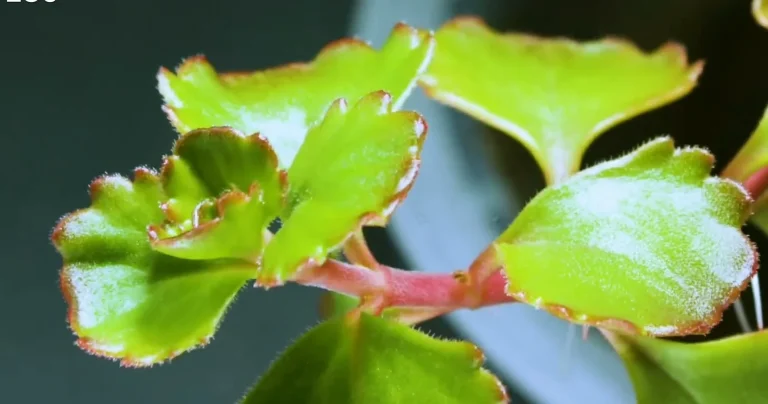
Upright sedums are the tall ones in a perennial border, and botanists now place them in their own genus, Hylotelephium, though plant tags still sell them as sedum. Each clump sends up thick, fleshy stems from a single crown every spring. The broad, flat flower heads open in late summer and fall, when bees and butterflies have few other flowers to visit.
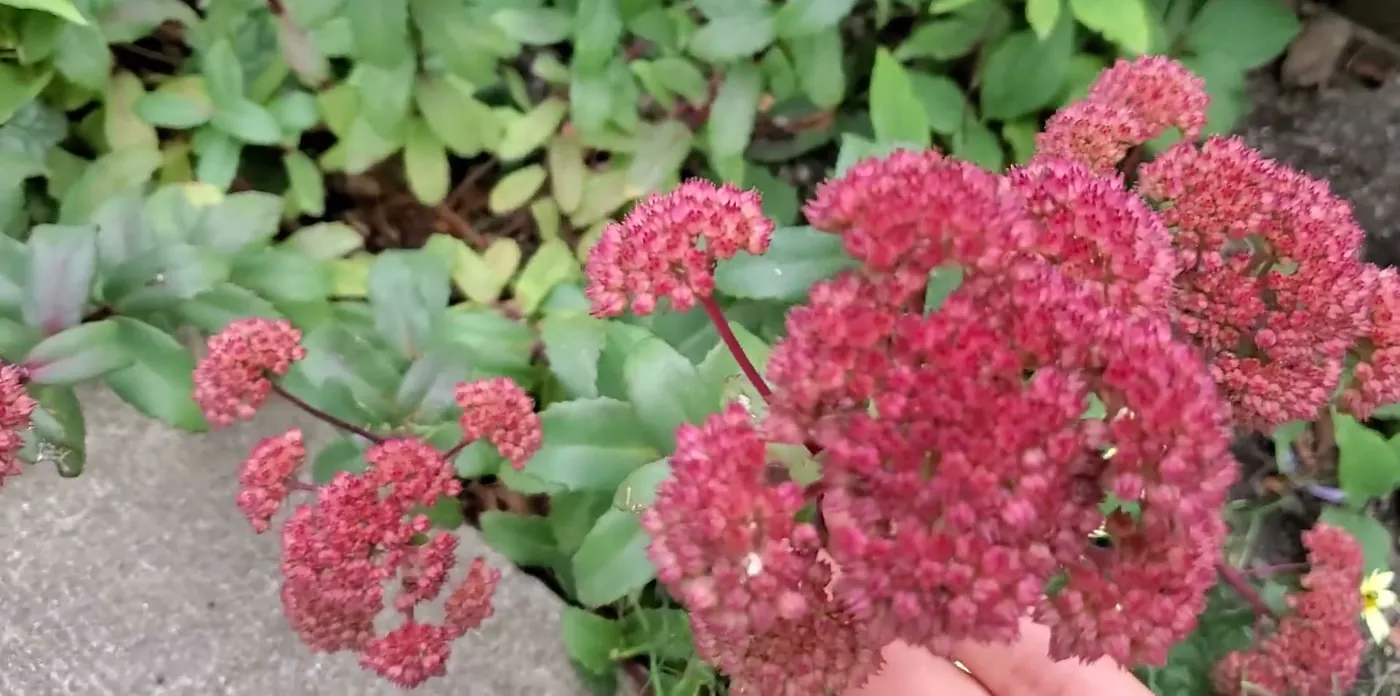
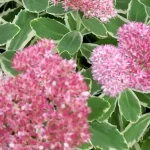
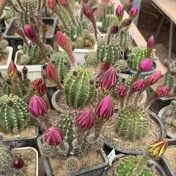
Autumn Joy, the variety most garden centers stock, has gray-green leaves and flower heads that shift from pink to a coppery brown by late fall. Darker kinds have purple-red stems and deep pink to red flowers, like the one above. Variegated forms have leaves edged or centered in cream, and they sometimes throw plain green shoots, which grow faster and should be cut out at the base before they take over the clump.
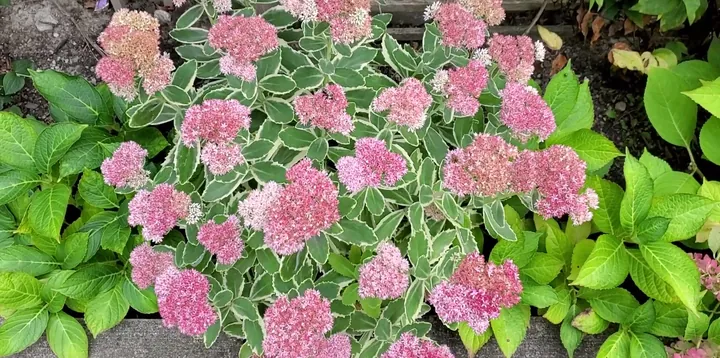
Set this bed next to the Spanish stonecrop mat above and the gap between the two groups is plain: one is a carpet you can step over, the other a knee-high clump with leaves as wide as a thumb.
Small potted sedum varieties
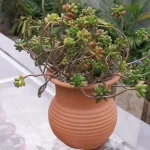
Potted sedums are the ones sold beside echeverias in succulent shops. Most come from Mexico, they keep their leaves all year, and strong sun with cool nights brings out red, orange or gold in leaves that stay green in shade. Their coloring is a reaction to sun and cold, so the same plant can look completely different after a summer outside and a winter indoors. They need a frost-free spot in winter, which for most US gardeners means a bright window.
Jelly bean plant (Sedum rubrotinctum)
The jelly bean plant has glossy, bean-shaped leaves clustered at the ends of short stems. The leaves start green and turn red from the tips down in strong light. A pink-and-cream form called Aurora is sold as often as the plain one. Leaves snap off at a light touch and root where they fall.
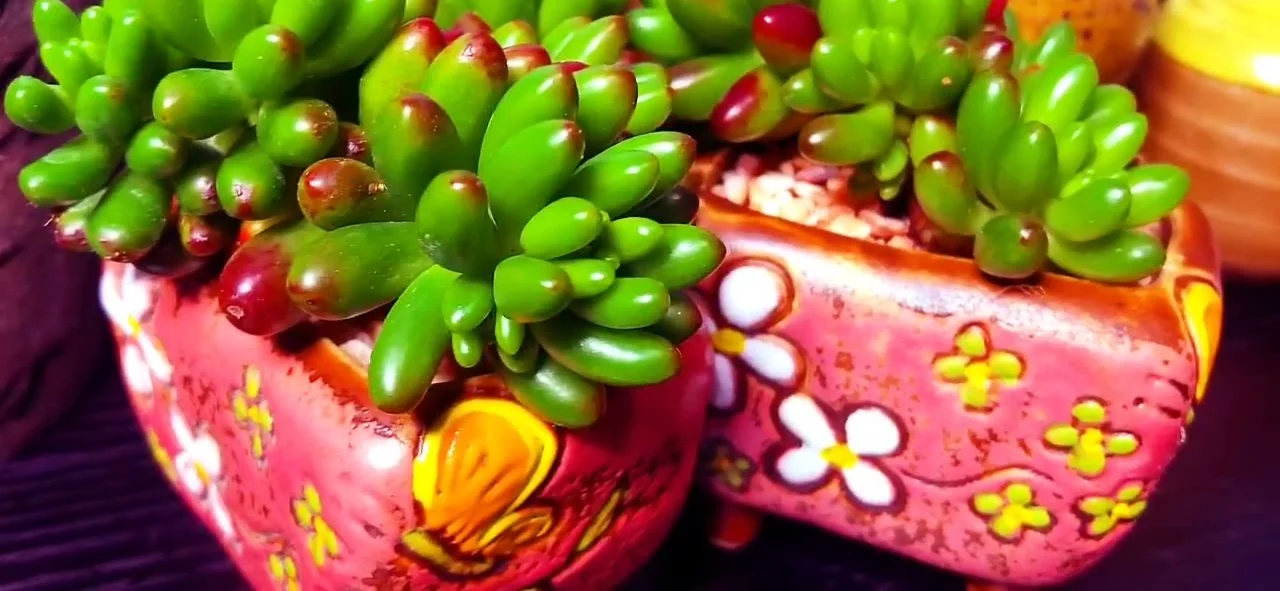
To keep that red through the year, and to fix stems that have stretched toward a window, read the full jelly bean plant care page.
Many fingers (Sedum pachyphyllum)
Many fingers has longer, club-shaped leaves that point upward like a loose fist. They’re blue-green with a matte, powdery skin, and only the very ends turn red. Asian sellers often list it as Otome. Over a few years one plant builds into a dense mound of short branches.
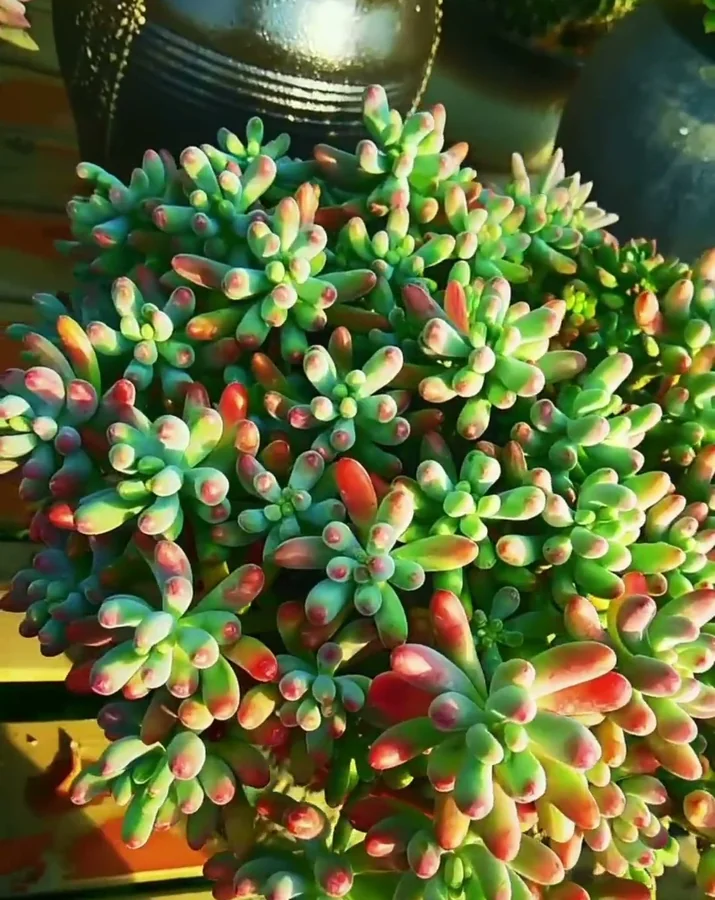
Golden Glow sedum
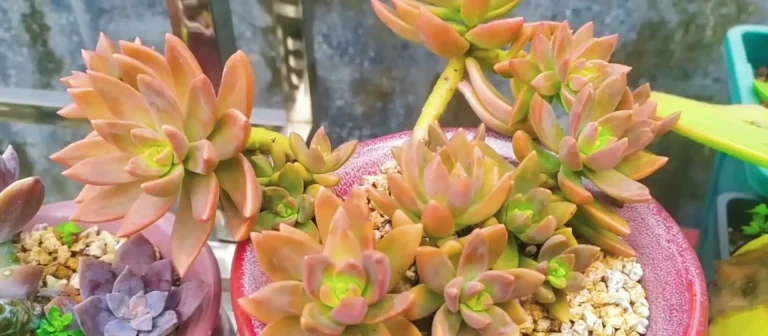
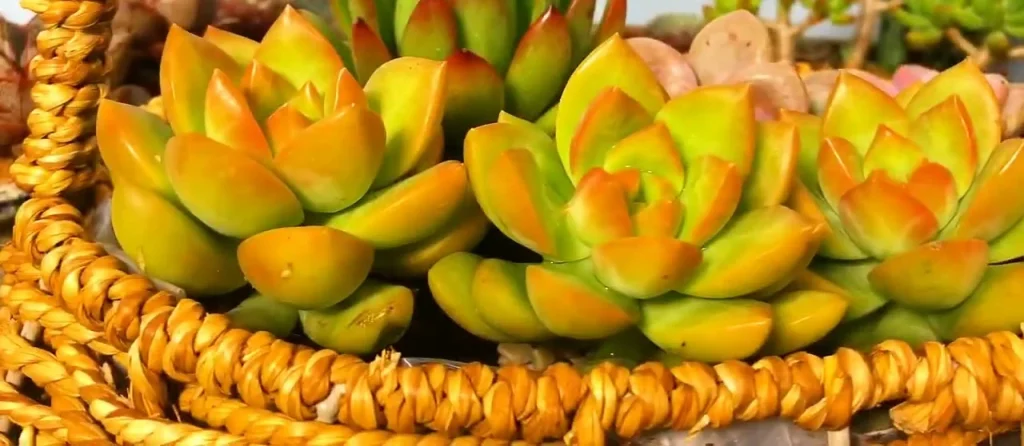
Golden Glow grows as flat rosettes rather than clusters of beans or fingers, so it can pass for a small echeveria at first glance. It’s usually sold as a form of Sedum adolphii. The thick, pointed leaves are yellow-green in shade and turn gold with orange edges in strong sun. Older stems lean and trail over the edge of the pot.
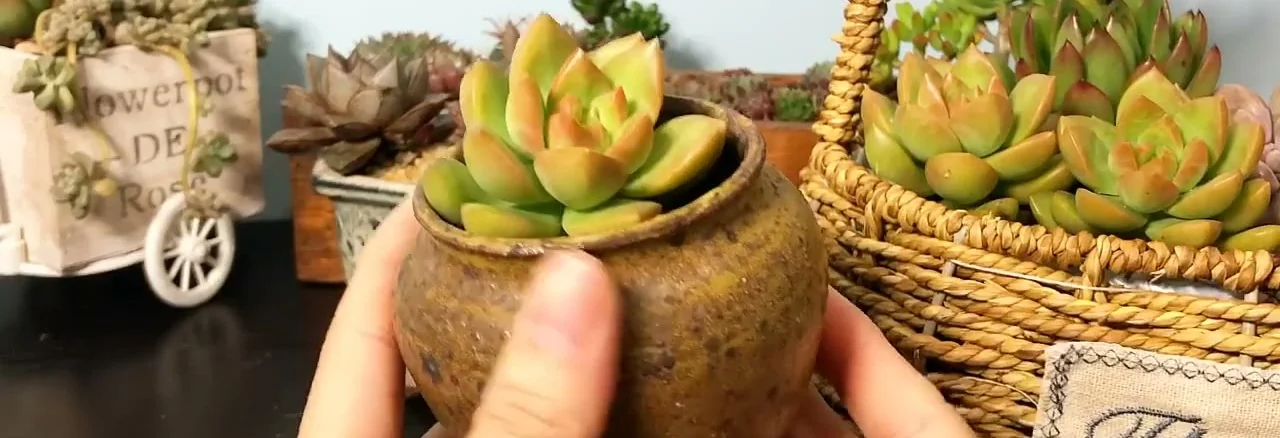
Two other potted sedums are worth knowing by sight. Coral beads (Sedum stahlii) has small, egg-shaped leaves that turn red-brown in sun and fall off easily, and burro’s tail (Sedum morganianum) hangs in long ropes of blue-green leaves from a basket.
Sedum varieties that are easy to mix up
A few pairs share a color or a shape closely enough that mislabeling is common, even in shops, and one leaf clue settles each one. The variation inside a single variety, from green to red, is often bigger than the difference between the two plants in a pair.
- Jelly bean plant vs. many fingers: jelly bean leaves are glossy and round in cross-section, and the red creeps down from the tip. Many fingers leaves are longer and matte, with a powdery bloom, and only the ends turn red.
- Stringy stonecrop vs. needle stonecrop: both carry leaves in threes. Stringy stonecrop leaves are flat ovals, and needle stonecrop leaves are thin needles.
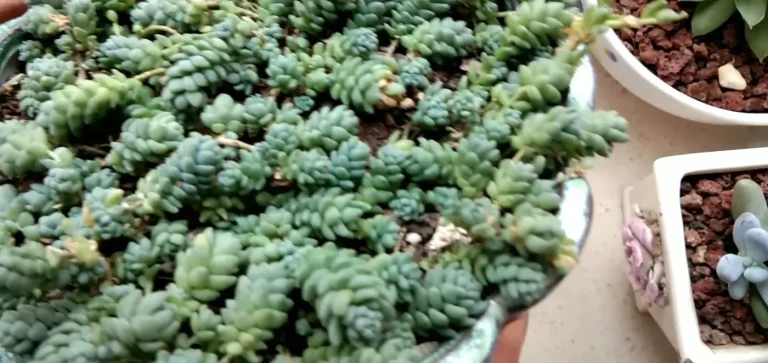
- Spanish stonecrop vs. Sedum dasyphyllum: Spanish stonecrop leaves are pointed and loosely spaced along the stem. Dasyphyllum leaves are tiny round beads pressed tight together.
- Golden Glow vs. a small echeveria: Golden Glow leaves are thick and slightly convex all the way to the tip, and the rosette sits on a visible stem that lengthens with age. Echeveria rosettes are usually flatter, wider and sit close to the soil.
If you’re still unsure after these checks, waiting for the flowers helps. Sedum flowers are small stars, usually with five points, and a plant that blooms with bells or tubes isn’t a sedum at all. Once you know the type, the Succulent Primer guides for that group will take you from there.