Flowering Cactus: Do All Cacti Bloom and How to Get Flowers
Quick answer
A flowering cactus is any cactus that is old enough and cared for in the right rhythm to push out blooms, and almost every cactus can do it. By the end of this guide you will know what those flowers look like, why your plant may be skipping them, and the season-by-season routine I use on my rooftop in Huizhou to get ball cacti covered in buds. What you need is short:
- A cactus that is at least a few years old (ball types are the easiest to flower)
- The sunniest spot you have, outdoors or in a south-facing window
- A cool, bright place for winter where it can stay dry
- A pot with a drainage hole and gritty cactus mix
- A low-nitrogen, bloom-type fertilizer, diluted to half strength
Is a Cactus a Flower?
No. A cactus is a plant, and the flower is something the plant makes (if you are new to these plants, the Succulent Primer home page covers the basics of cactus and succulent care). Cacti belong to a family of flowering plants, so every true cactus is able to bloom; the flower is simply how it sets seed. When people search “is cactus a flower,” they usually mean one of two things: whether that bright bloom is really part of the plant (it is, it grows out of the areole near the top of the stem), or whether a cactus will ever bloom at all (most will, given time and the right care).
Do All Cactus Flower?
All of them can, but not all of them will for you. Three things decide it:
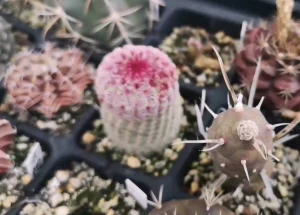
- Age. Small ball cacti such as Echinopsis hybrids, Rebutia and Mammillaria can bloom within a few years from seed. Big columnar desert species may need decades before the first flower.
- A winter rest. Most cacti set buds only after a cool, dry winter. A plant kept warm and watered all year on a living room shelf stays green and grows, but rarely flowers.
- Light. Without strong light the plant has no energy to spare for flowers.
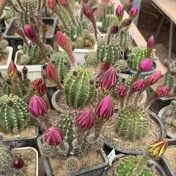
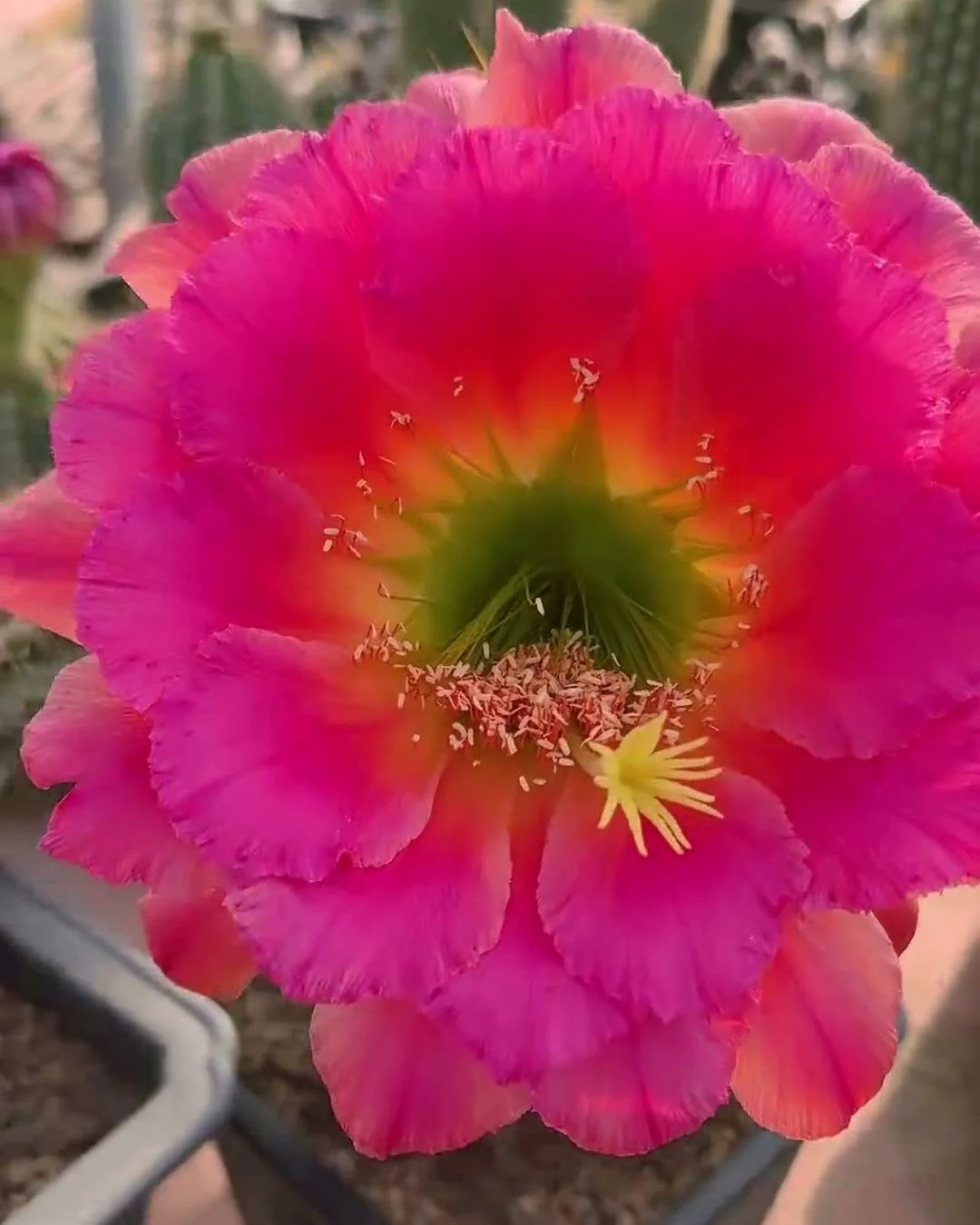
The good news is that the ball types are generous. Even a plain little globe can open a flower bigger than itself, and once one starts, several often open on the same plant within days of each other.
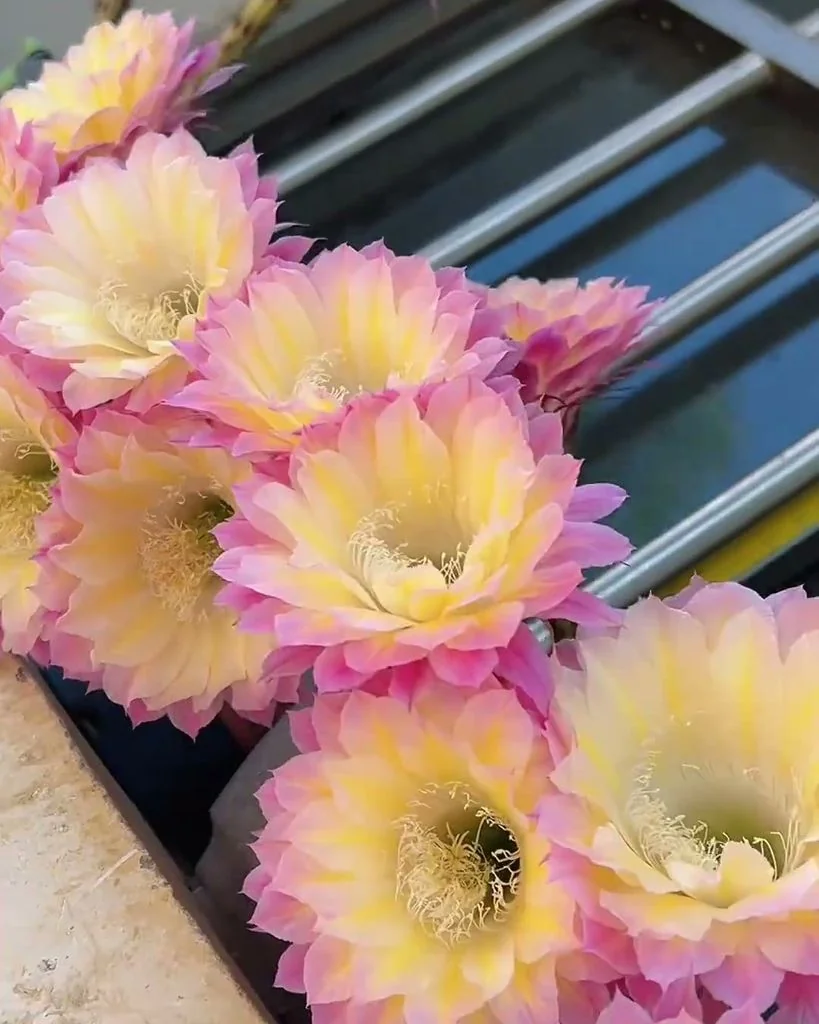
What Cactus Flowers Look Like
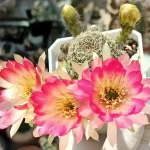
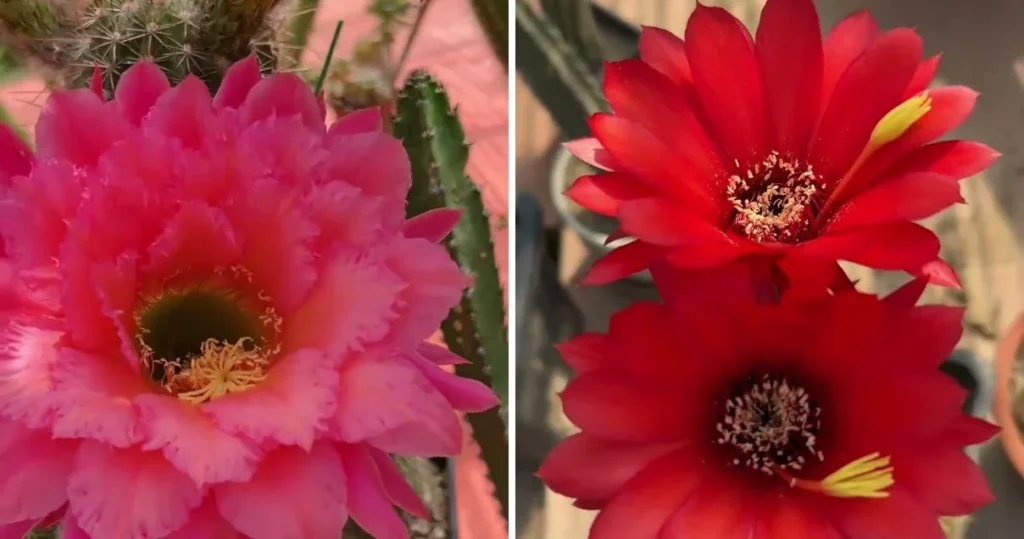
The hybrid ball cacti I grow come in more colors than most people expect. Red alone ranges from scarlet to deep rose, and pink runs from almost white to hot magenta. Here are a few of the looks you can get from the same type of plant.
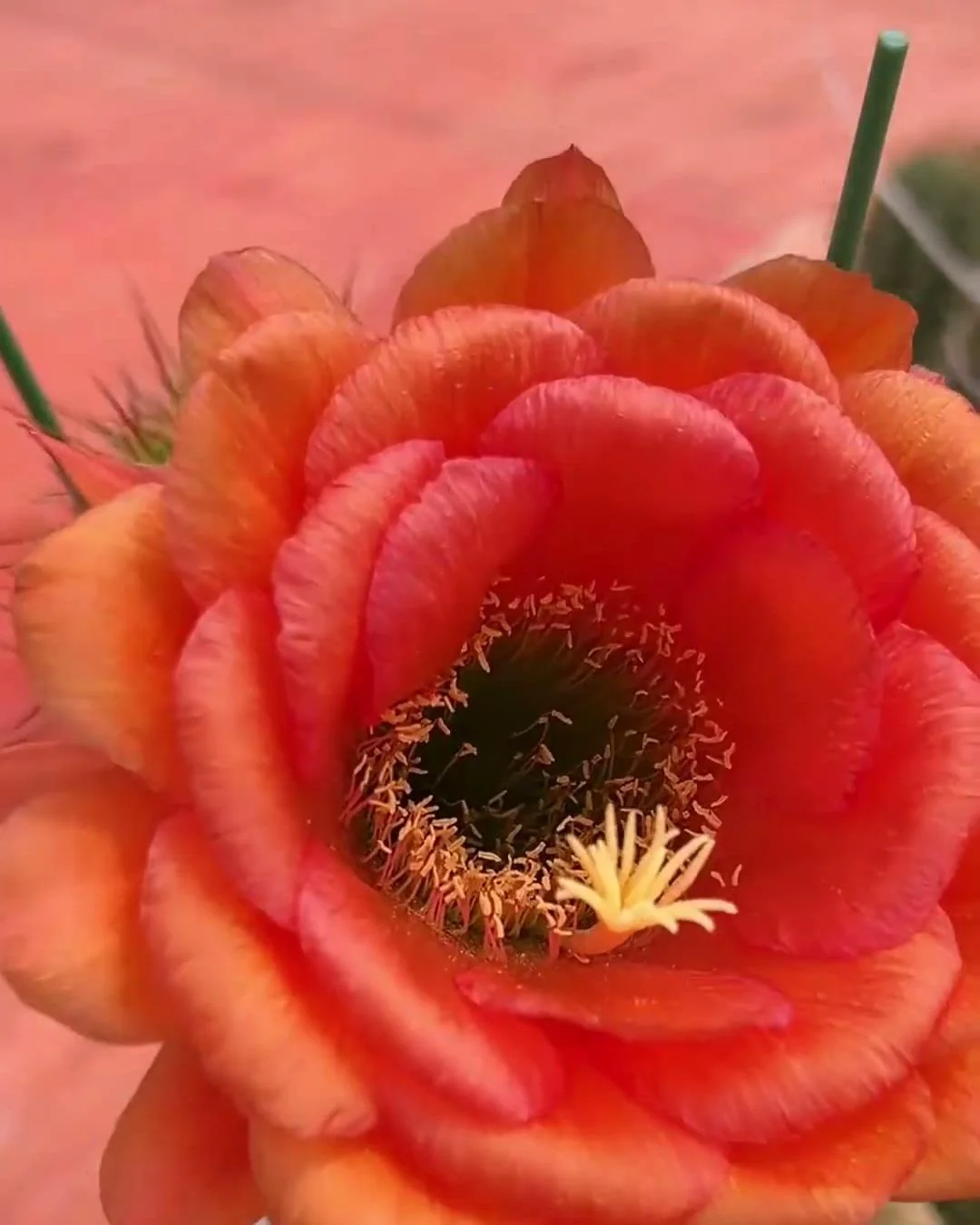
Orange blooms have a satin sheen that catches the morning light.
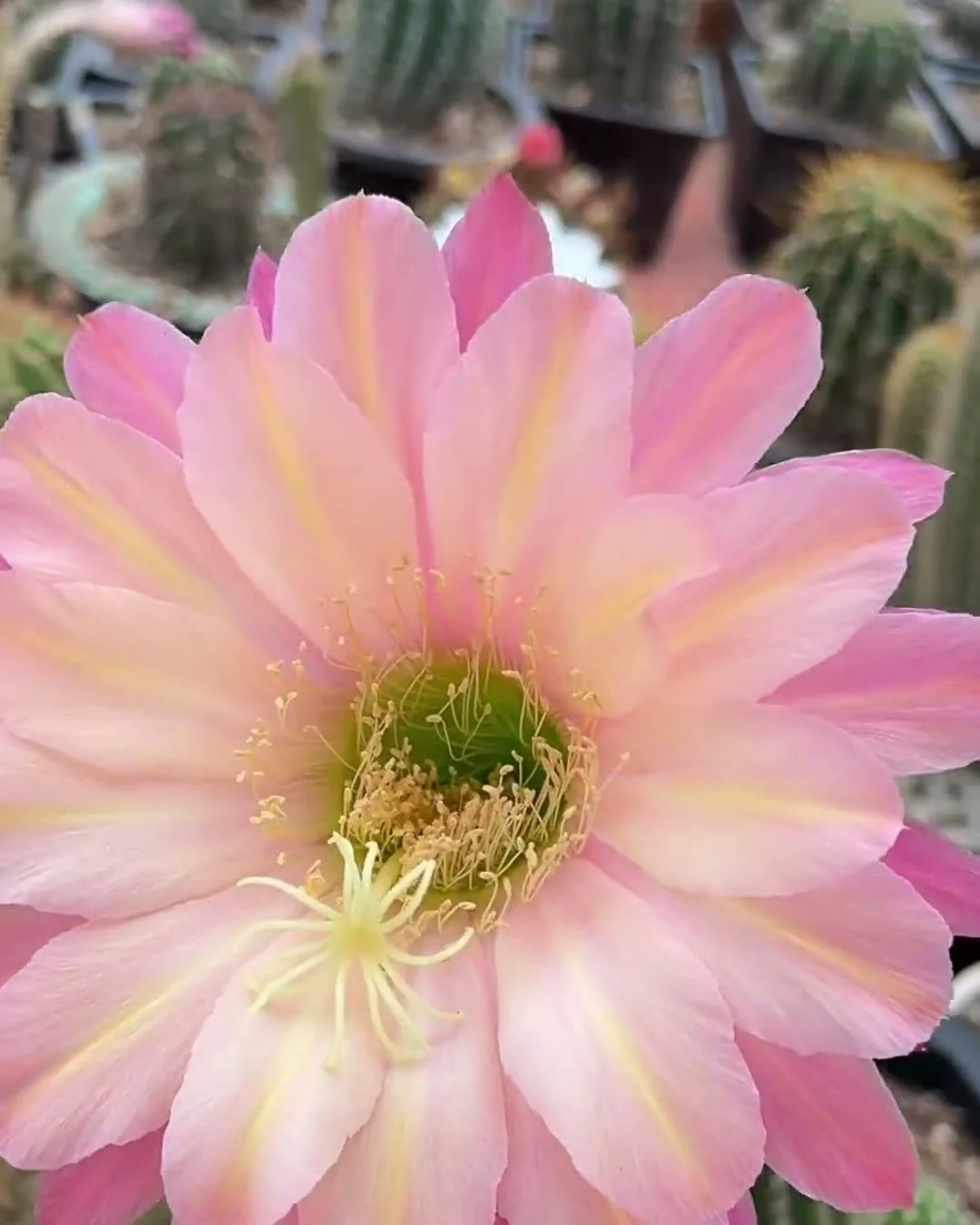
Pale pink flowers with long, pointed petals look almost like a water lily sitting on top of the spines.
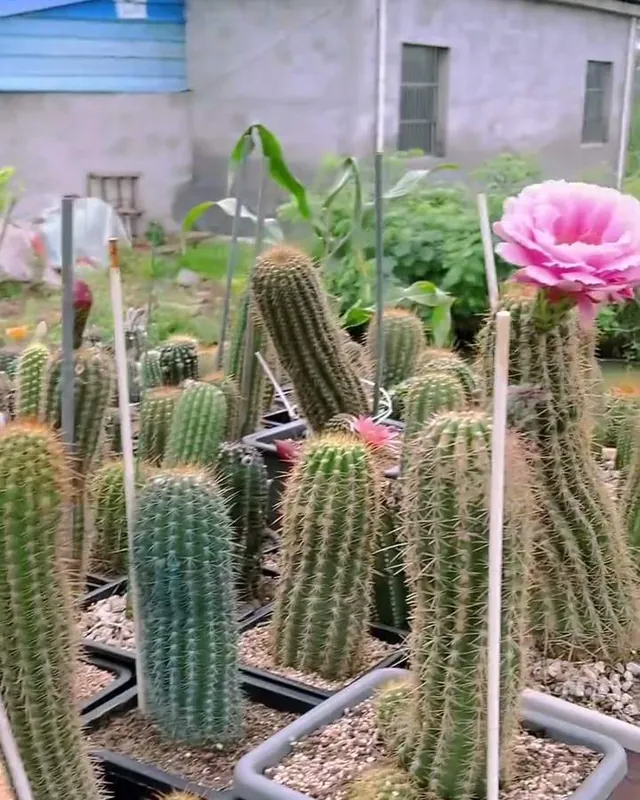
On columnar cacti the bud forms near the stem tip, so on a tall plant the flower opens well above the rest of the collection.
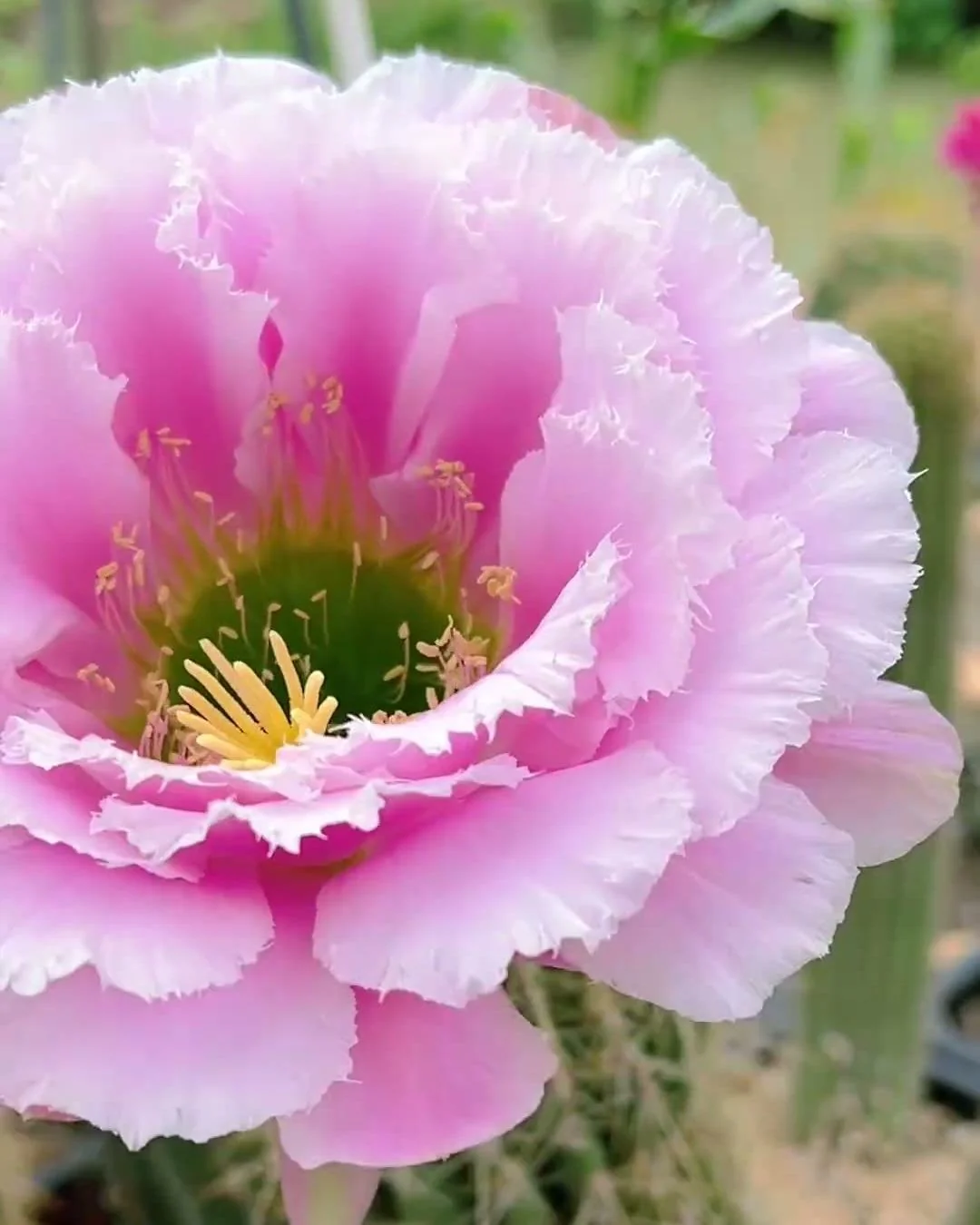
Some hybrids carry so many ruffled petals that the flower looks like a peony.
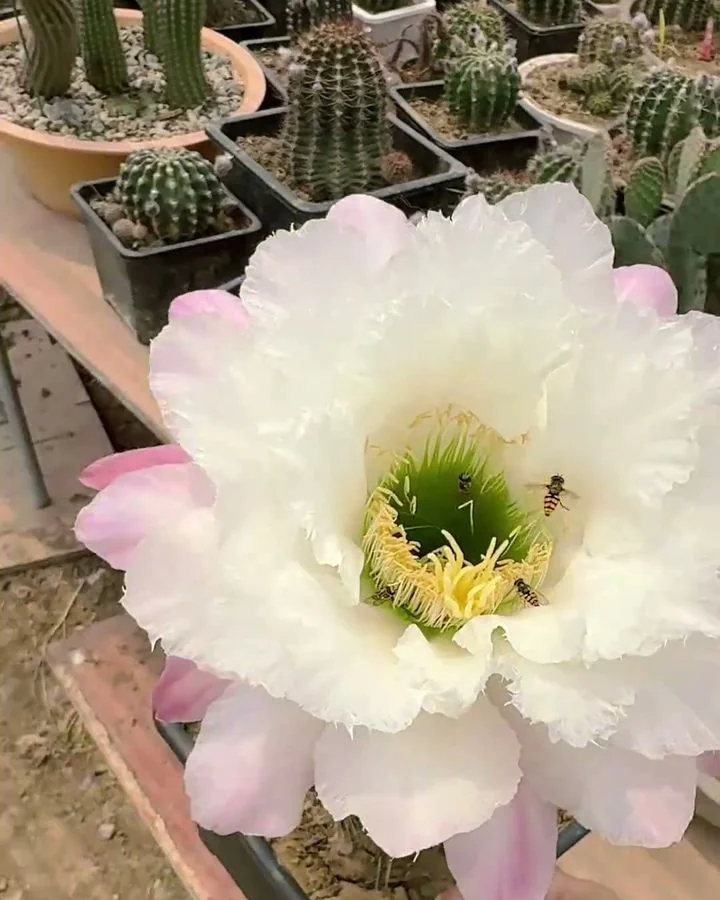
White flowers are the bee magnets. Outdoors you will often find small bees buried in the center by midmorning.
How to Get a Cactus to Flower
This is the routine, in the order the seasons run. Each step sets up the next one, so skipping the winter part is the most common reason a healthy cactus never blooms.
- Give it a cool, dry winter rest. From late fall to late winter, keep the plant somewhere bright where nights fall to about 45 to 55°F (7 to 13°C). Water only enough to stop the body from shriveling, roughly once a month in a small pot. On my rooftop the winter nights do this job for me; indoors, an unheated porch or a cold windowsill works.
- Bring it back into strong light gradually. As days lengthen, move the plant to full sun over one to two weeks so it does not scorch. A cactus that went pale over winter will green up again within a few weeks.
- Restart watering once it warms up. When daytime temperatures stay above about 65°F (18°C), water deeply and let the mix dry out completely before the next drink. This wake-up water is often what triggers the first buds.
- Feed lightly through spring and summer. Use a low-nitrogen bloom fertilizer at half strength about once a month while the plant is growing. Too much nitrogen gives you a fat green cactus and no flowers.
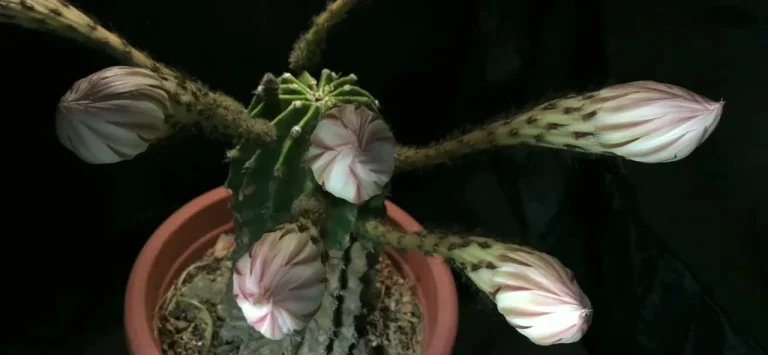
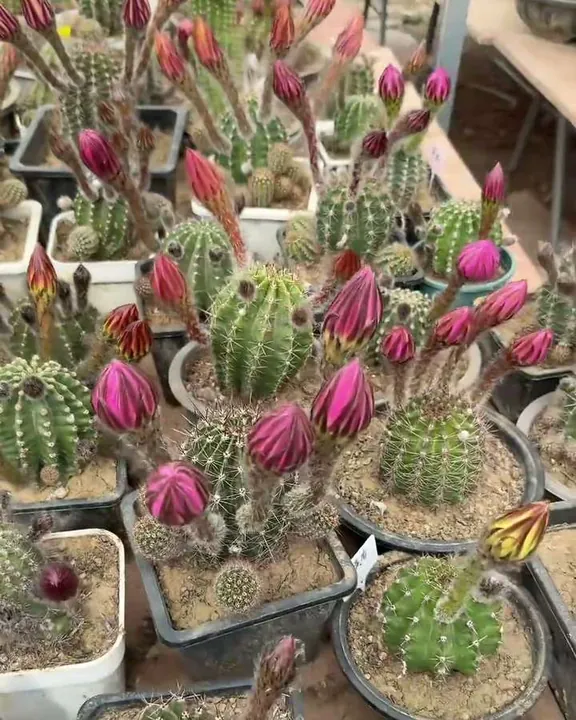
- Leave the pot where it is once buds appear. Buds show up as small, fuzzy or scaly bumps near the top of the plant, then stretch into slender tubes. Turning or moving the pot at this stage can make them drop, so keep the light coming from the same side until they open.
- Enjoy the flowers while they last. Most hybrid ball cactus flowers stay open for one to two days, and several often open in a wave over the same week. Many plants follow up with a second, smaller round later in the summer or in early fall, so keep up the same care after the first flush.
How Long Does a Cactus Flower Last?
Most of the big ball cactus flowers last only a day or two, which is why they feel like an event. Smaller flowers such as Mammillaria rings and holiday cacti can stay open for a week or more. Once a flower fades, let it dry and drop on its own, or pull it away gently when it comes off without resistance.
Tips for More Blooms
- Do not repot just before spring. A root-disturbed cactus puts its energy into new roots, not buds. If it needs a bigger pot, repot right after flowering instead.
- Keep the winter rest truly dry. Cold plus wet soil leads to rot. If you cannot keep it cool, at least keep it dry and in the brightest light you have.
- Start with ball types. If you want flowers quickly, pick an Echinopsis hybrid, Rebutia or Mammillaria rather than a tall columnar cactus.
- Be patient with young plants. A cactus grown from seed may need three to five years before its first bloom.
Once your first buds show, keep the same light and watering rhythm through summer so the plant has energy left for a fall round.