How to Water Cactus: The Soak-and-Dry Method, Step by Step
Quick answer
To water a cactus, soak the pot until water runs out of the drainage holes, then let the soil dry out completely before you water again. In the growing season that usually means every 1 to 3 weeks; in winter, once a month or less.
A deep, infrequent drink keeps a cactus healthy. Small, frequent sips are what rot it.
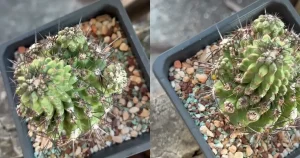
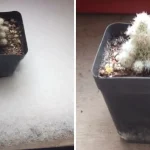
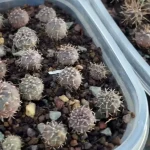
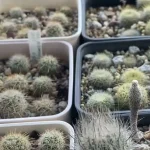
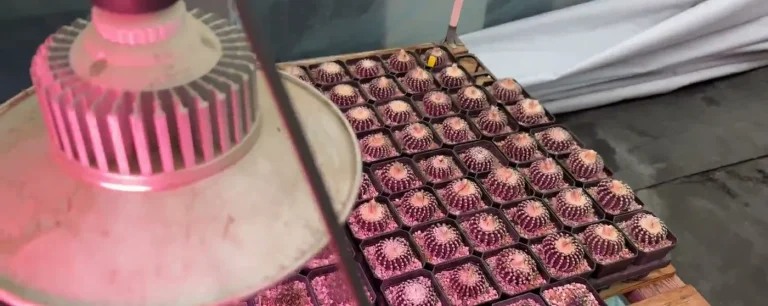
That’s the whole method in two sentences. Below is how I actually do it on my rooftop in Huizhou, where I keep trays of cacti in square pots under a light plastic cover, plus the checks that tell you when a plant needs water and when it really doesn’t.
What you need
You don’t need special equipment, but the right pot and soil make watering almost foolproof.
- A watering can or hose with a shower-head (rose) nozzle, so the water comes out as a gentle spray instead of one concentrated jet
- Pots with drainage holes; a cactus in a pot without a hole is a guessing game you’ll lose
- A gritty, fast-draining mix (cactus soil cut with pumice, perlite or small gravel), ideally with a gravel top dressing
- Room-temperature water; rainwater’s great if you collect it, and tap water’s fine for most cacti
- A wooden skewer or chopstick, if you’d like a simple way to check moisture deep in the pot
Before you water: make sure the soil is dry
The one rule that matters most: water only when the mix is dry all the way down, not just on the surface.
Here are three easy checks.
- Skewer test. Push a wooden skewer to the bottom of the pot, leave it a minute, and pull it out. If it comes out clean and dry, it’s time to water. Damp, dark wood or soil stuck to it means wait.
- Pot weight. Lift the pot right after a soak and again a week later. Once you know how light a dry pot feels, a quick lift tells you more than any schedule.
- Calendar as a backup. Write down the date you water. If a pot dries in 10 days in July, it won’t dry in 10 days in December.
Not sure? Wait a few more days.
A thirsty cactus shrinks a little and recovers fast after a drink. A cactus that’s been sitting wet for too long can rot from the roots up, and that’s much harder to undo. For more on reading your plants, browse the Succulent Primer home page.
How to water a cactus, step by step
Step 1: Water the whole pot from above with a soft spray
Hold the shower-head nozzle over the pots and let the water fall evenly across the gravel. Move slowly so every part of the soil surface gets wet.
A rose nozzle spreads the flow, so it won’t dig holes in the top dressing or wash the mix out of the pot.
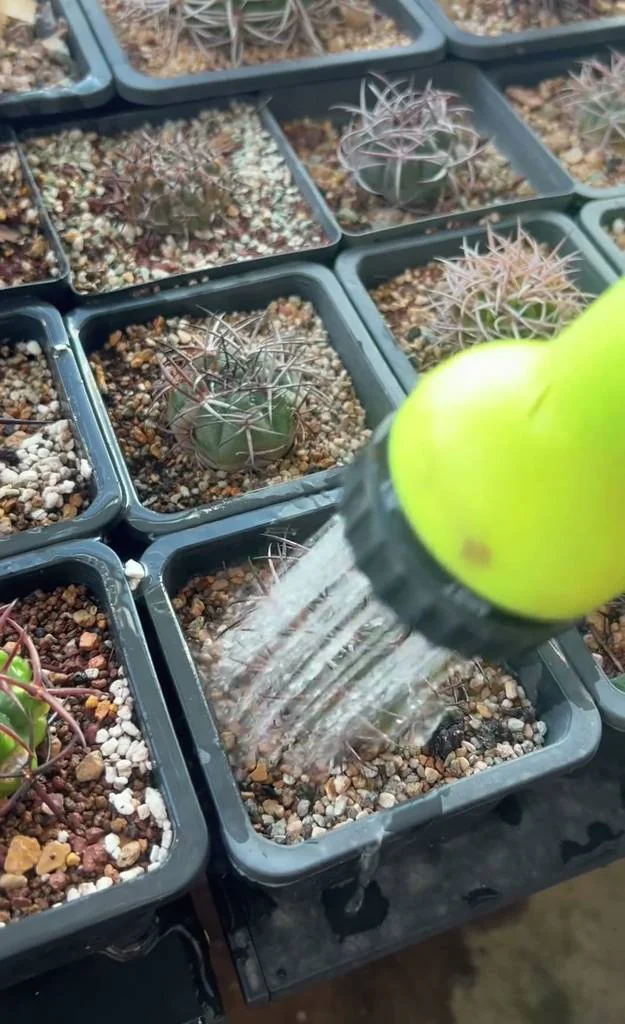
When I come home after a month of work away from the house, this is the first thing I do. I go down the rows and give every tray a full pass, rather than picking at single pots.
Step 2: Keep going until the soil is soaked through
One pass isn’t enough. Go back over the pots until water drains freely from the holes at the bottom.
A gritty mix lets water through fast, so it can look wet on top while the root zone’s still dry. A heavy, even soak makes sure the whole root ball gets a drink.
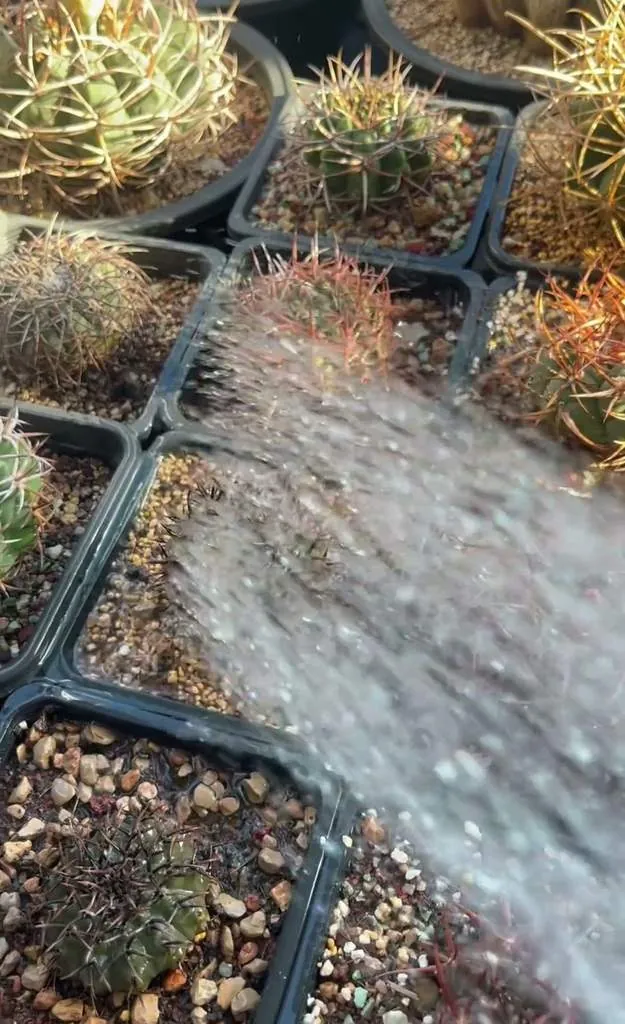
Spraying over the plant body is fine for most cacti on a warm, bright day, because the surface dries within an hour or two. Do it in the morning so nothing stays wet overnight.
Growing indoors with poor air circulation? Aim the water at the soil instead.
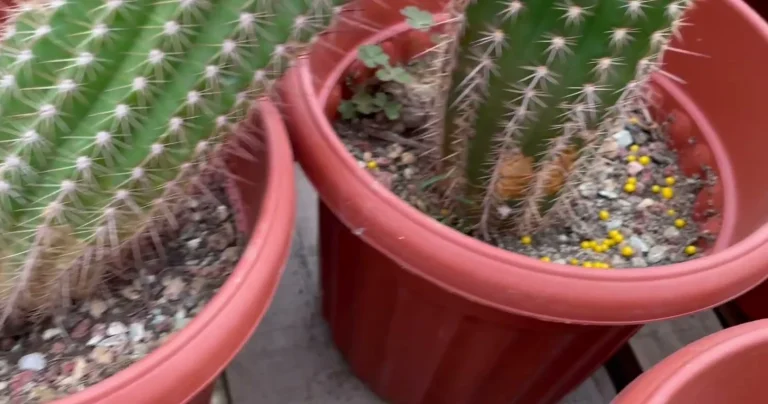
If a pot sits in a saucer or a solid tray, tip out whatever collects there 15 to 30 minutes after watering. A cactus standing in a puddle is no different from one that was never allowed to dry.
Step 3: Lift a pot and look it over
After watering, pick up a pot or two and look at the plant and the pot up close.
The pot should feel noticeably heavier than before, which tells you the mix absorbed water and not just the surface. Check the drainage holes too: water should’ve come out of them, not pooled on top.
This is also a good moment to memorize how heavy a freshly watered pot feels. Next time you lift that pot and it’s light, you’ll know the soil has dried out.
Step 4: Press the body to check firmness
Gently press a fingertip against the side of the cactus, between the spines or on a ribbed, spineless species.
A healthy, well-watered cactus feels firm and slightly springy. A plant that’s soft, wrinkled near the base, or keeps a dent after you press is telling you something.
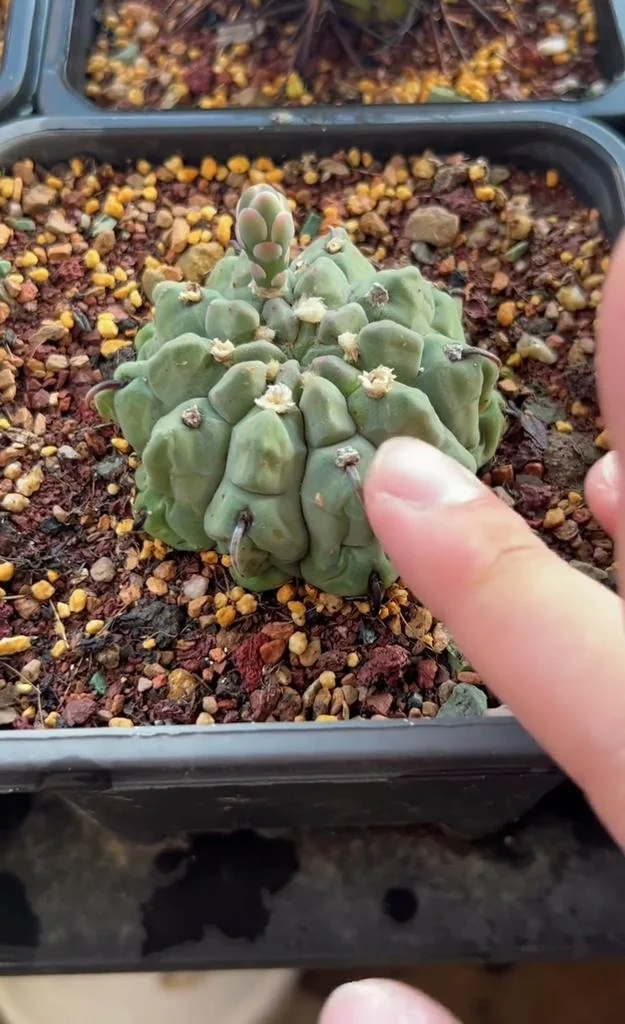
Soft and shriveled with dry soil usually means the plant’s thirsty, and it’ll plump back up within a few days of a good soak. Soft and mushy with wet soil means too much water, often from rain.
My plants grow outdoors, and after a long run of storm rain some of them were clearly waterlogged. Since then I check bodies by touch after any wet spell and hold off watering until they firm up.
How often to water a cactus
There’s no single schedule. Pot size, soil, light and temperature all change how fast a pot dries.
These ranges are a reasonable starting point for cacti in a gritty mix:
| Season and setting | How often to water |
|---|---|
| Spring and summer, outdoors in full sun | Every 7 to 14 days, once the mix is dry |
| Spring and summer, indoors on a bright windowsill | Every 2 to 3 weeks |
| Fall, as nights cool down | Stretch the gap; every 3 to 4 weeks |
| Winter, below about 50°F (10°C) | Once a month or not at all for most desert cacti |
| Rainy weeks, typhoons and storms outdoors | Skip watering; move pots under cover if you can |
I don’t water at all when a typhoon’s coming. In mild weather I’ve gone a month or more without watering some plants and seen no harm.
Cacti store water in their stems, so a missed week is never the emergency that a soggy pot is.
Small pots under 3 in (7.5 cm) dry considerably faster than a 6 in (15 cm) pot, so mini cacti indoors may need water every 7 to 10 days in summer. Terracotta pots also dry faster than plastic ones.
Watering from the bottom vs. from the top
Bottom watering means standing the pot in 1 to 2 in (2.5 to 5 cm) of water for 15 to 30 minutes so the mix wicks moisture upward, then letting it drain. It’s handy for pots with a crust on top or a plant that’s too spiny to reach around.
Top watering, as in the steps above, flushes out salt accumulation from fertilizer and tap water. Bottom watering doesn’t.
I use top watering for almost everything, because it’s quicker for trays of plants. If you’d rather bottom water, give each pot a thorough top flush every few months to keep salts from building up.
Common watering mistakes
- A little water, often. A splash every few days keeps the top inch wet and the roots dry, which encourages rot near the surface. Water deeply and rarely instead.
- No drainage hole. Decorative pots without holes trap water at the bottom. Use a plain pot with a hole inside the decorative one, and empty the outer pot after watering.
- Watering on a schedule, not by the soil. Check dryness first every time; the calendar’s only a reminder to check.
- Watering in winter like it’s summer. Most cacti go into dormancy in cool weather. Cut back hard when temperatures drop below about 50°F (10°C).
- Leaving plants out in long rain. Rain soaks the mix again and again with no chance to dry. Outdoors without cover, losses from rain can be high, so a simple clear roof or a move under the eaves is worth the effort.
How do cacti get water in the wild?
Cacti take up water through wide, shallow roots that spread just under the surface. After a desert rain, those roots absorb as much as they can within hours, and the ribbed stem swells to store it.
Between rains, the waxy skin and spines reduce evaporation. That’s exactly why the soak-and-dry method works in a pot: one big drink, then a long dry spell.
You may also see searches for how to get water from a cactus for drinking. That’s a survival myth for most species; the pulp of many cacti is bitter and can make you sick. This guide is only about watering the plants you grow.
Quick answers
Do you water cactus plants at all? Yes. Cacti need less water than most houseplants, but a potted cactus with no water at all will slowly shrink and stop growing.
How much water does a cactus need? Enough to soak the whole pot until water drains out the bottom. Pot size decides the amount, not a fixed number of cups.
Should you mist a cactus? No. Misting wets the surface without reaching the roots, and it adds humidity most cacti don’t want.