Growing Cactus From Seed: How to Plant Cactus Seeds in a Box
Quick answer
Growing cactus from seed comes down to one move that feels wrong: leave the seed uncovered on top of damp, gritty mix, in a lidded box held at 68°F (20°C) or warmer, ideally about 77°F (25°C). The easy globe cactus seed in this guide showed its first root a little over a day after sowing and had all sprouted about a day later, though many species take one to three weeks. Below are the supplies, the mix, all 20 steps from stored seed to seedlings in filtered sun, what comes after that stage, and why seed fails.
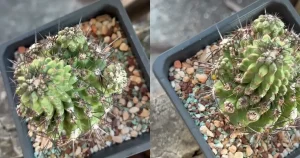
The seed in these photos came from a round cactus that Chinese growers loosely call cao qiu (草球), literally “grass ball.” That name doesn’t pin down a species, so I won’t put a Latin name on it. Seed like this forgives a lot, and I’ve flagged the places where fussier seed needs more care. Germination speed and seedling toughness differ enormously between species, so my timings describe this batch, not cactus in general.
What you need to plant cactus seeds
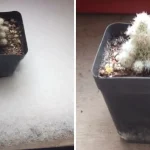
I sow in closed food boxes, because a lidded box is a ready-made greenhouse that costs next to nothing. The rest of the list is just as plain:
- Cactus seed: fresh, or stored cold and dry as in Steps 1 and 2.
- A clear plastic food box with a lid: deep enough for about 2 in (5 cm) of mix under the seed, one box per batch.
- Small stones: enough to cover the drainage holes.
- Gritty seed mix: the next section covers what goes in it.
- Small glass beakers or jars: one per batch, for the soak.
- A chopstick: for stirring floating seed under.
- A watering can and a spray bottle: the can soaks the mix, and the bottle settles the seed.
- A steady warm spot: a radiator in these photos.
Seed is the slow road to a plant you can actually hold. If you already own a cactus and want a decent-sized new one this year, offsets, pads and column tops get you there much sooner. Seed earns its wait when you want a lot of plants at once, or when you’re curious what an unpredictable cross will produce.
What soil mix to use for cactus seeds
Cactus seed needs a mix that stays damp at the surface and still lets water run straight through, so go mostly grit with some humus, the dark, rotted organic part of a soil. The mix in these photos had plenty of grit and sand plus a fair share of humus, and nobody measured it.
I don’t measure a ratio for seed either. If you want a number to start from, take the share I use in my well-draining cactus mix, which is about 20% to 30% peat with the rest grit. That figure comes from my potting recipe, not from this batch, so treat it as a starting point.
Seed like this copes with a lot of humus. Touchier seed doesn’t, because too much humus can leave the surface too wet later on, so cut it back for anything rare. If you’d rather start from a bag than from piles of grit, I compared five bagged succulent soils by how much grit they hold.
Many guides tell you to sterilize the mix first, and that’s sound for slow or pricey seed. This batch skipped it, because this kind of seed sprouts readily and resists trouble well. Fussy seed gets a fungicide spray from me once it is sown, mixed the way the label says. Sterilization matters more when slow germination gives contamination weeks to spread through a closed, humid container.
How to store cactus seeds before sowing
Stored seed needs to stay cold and dry until sowing day, and the first three steps cover that. If your seed just arrived in a packet, read Step 3 and carry on from Step 4.
Step 1: Dry the seed and seal it with desiccant. After harvest, dry the seed in the sun. Fold it into white paper, then seal the packet in a zip bag with a desiccant pack.
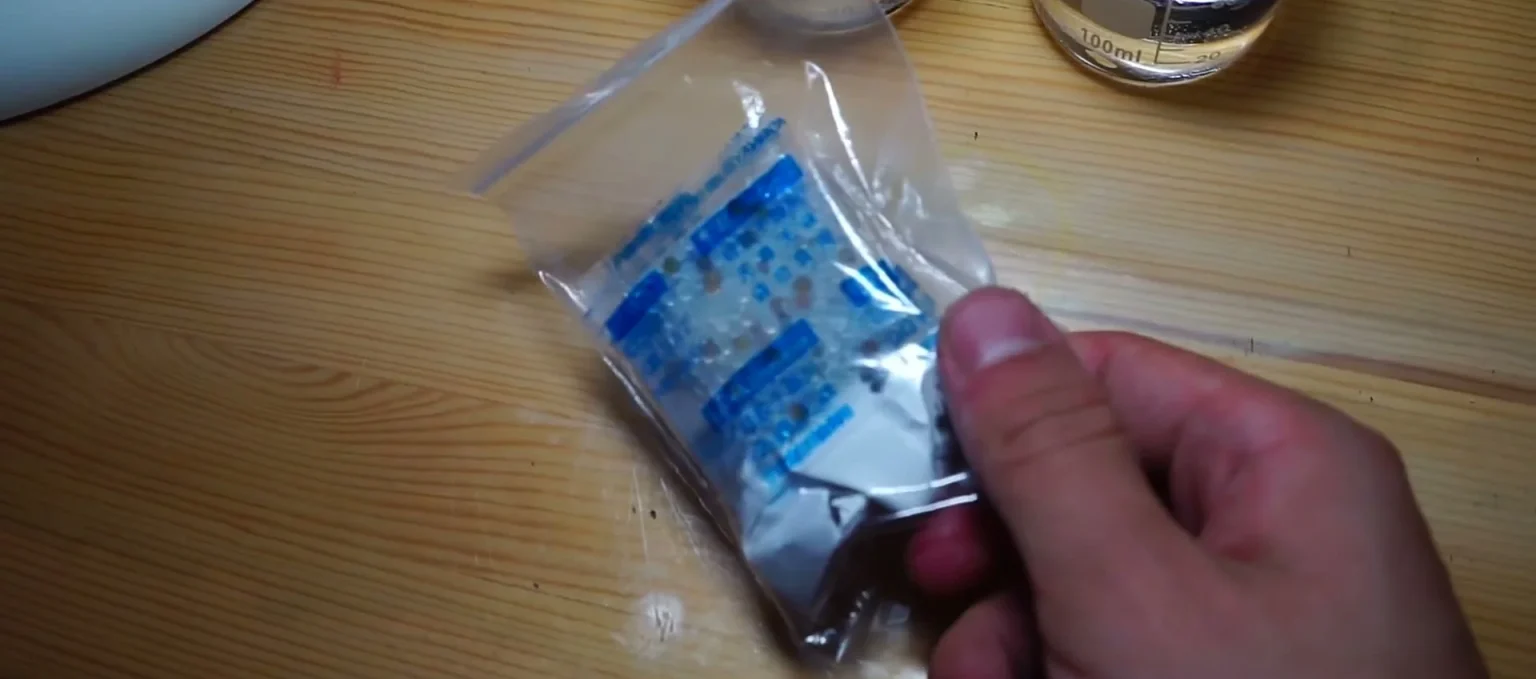
Step 2: Keep the bag in the fridge, not the freezer. Stored this way, cactus seed can last a year without losing much of its vigor. When sowing day comes, unfold the paper and look for mold. Healthy seed comes out clean and loose.
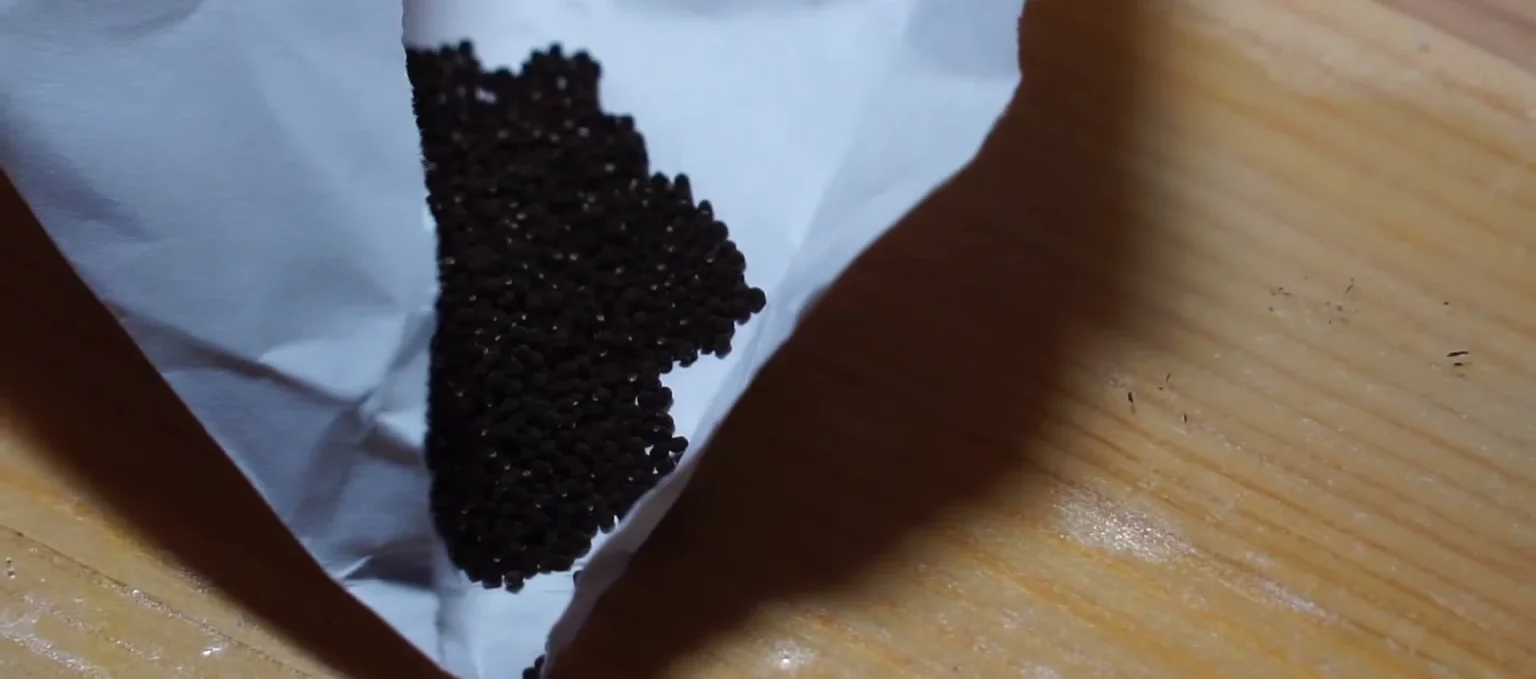
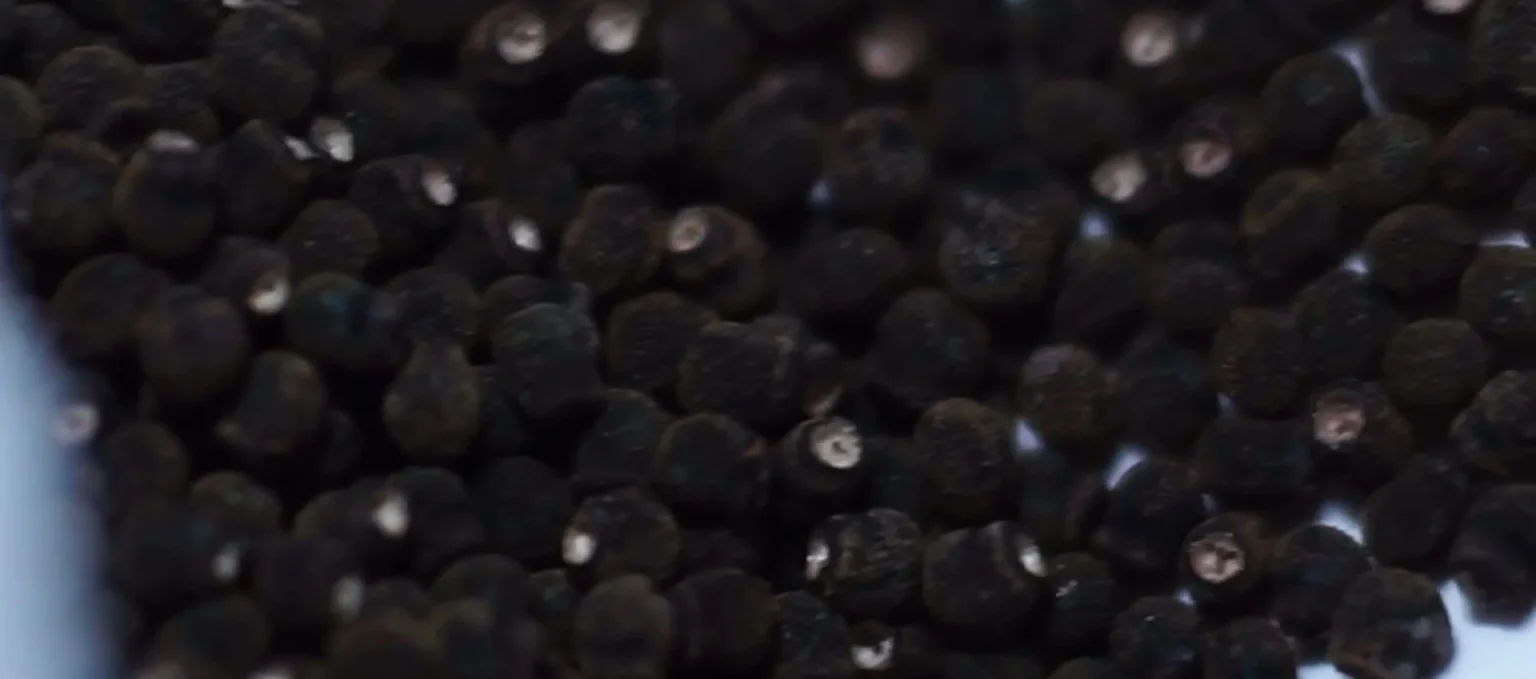
Step 3: Look at the dry seed before you judge it. Dry seed looks wrinkled and a little shrunken, because it has lost water. That doesn’t mean it’s dead, and the soak will plump it up. The shape varies from one kind of cactus to the next, so yours may not match this one.
How to soak cactus seeds and set up the box
Germination depends on three conditions: a suitable temperature, absorbed moisture and, for some species, light. Every preparation in this section works on the first two, and the soak runs long enough to get the box ready at the same time.
Step 4: Tip the seed into plain tap water. Give each batch its own beaker, so seed from different mother plants can’t get mixed up.
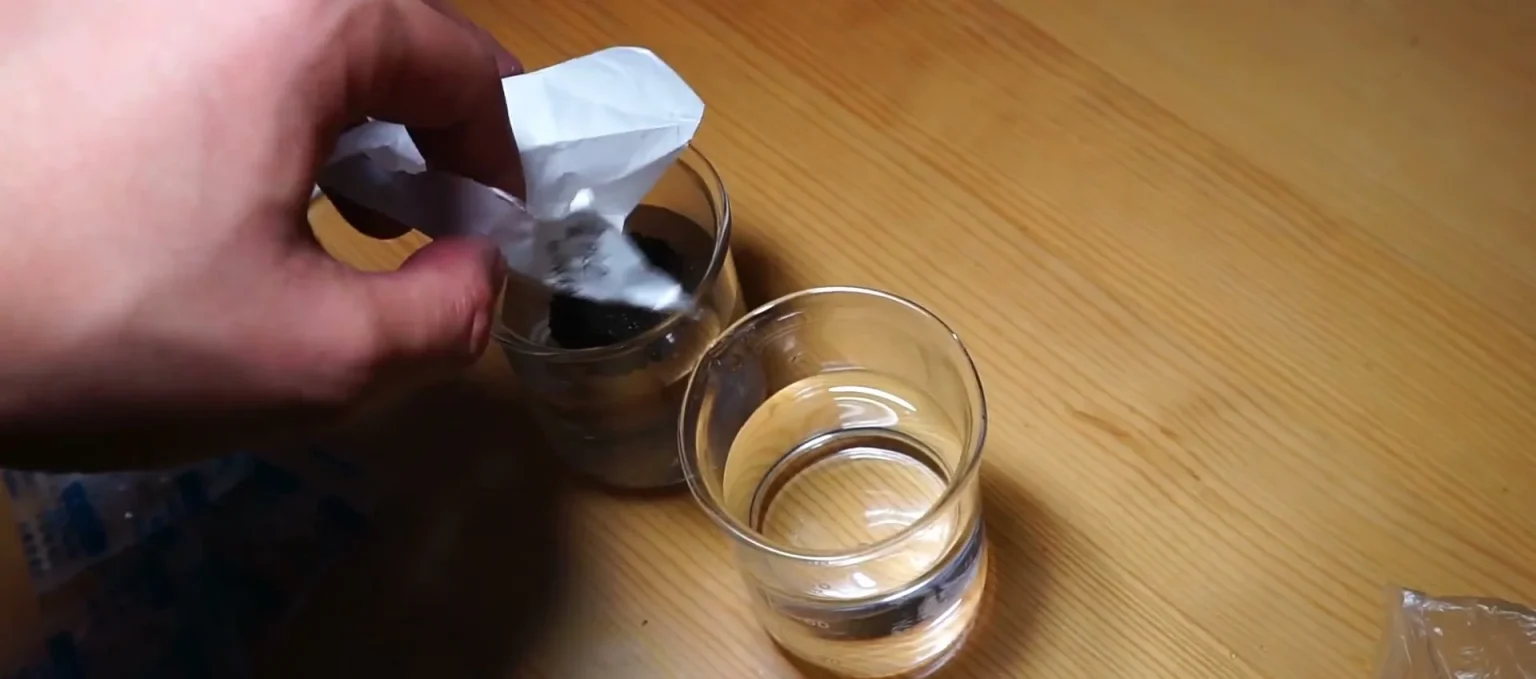
Step 5: Stir the floating seed with a chopstick. Dry seed sits in a clump on the water because it’s so light and its surface pushes water away. A few stirs break that, and the clump falls apart. Some seed sinks right away. The rest hangs on with tiny air bubbles stuck to its rough coat, and it’ll take up water and sink in its own time.
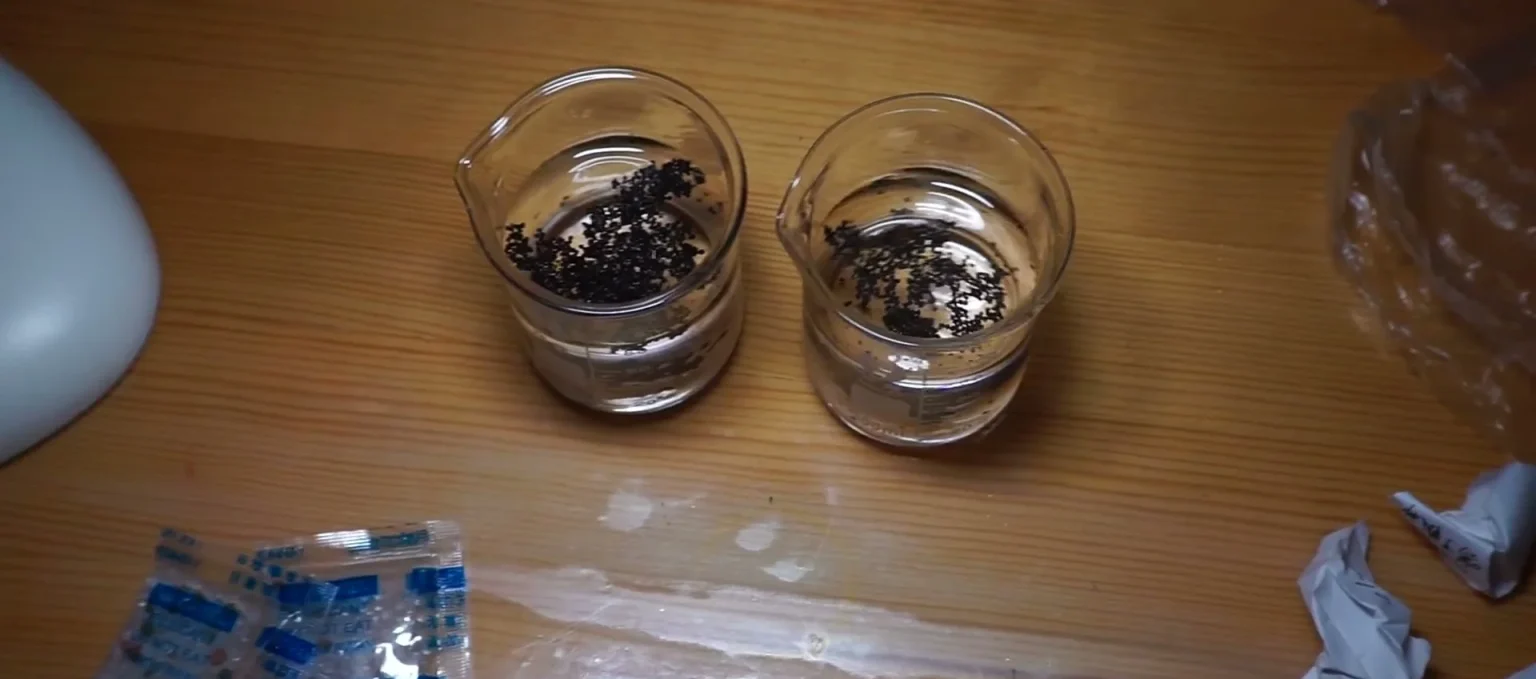
Step 6: Warm the beakers and prepare the box. Set the beakers on a radiator, because a little warmth helps wake the seed from dormancy. The soak helps but isn’t essential, so don’t worry if you have to skip it. While the seed sits, make a few drainage holes in the base of the box and cover them with small stones. Then test the lid. It should hold moisture in but leave a small gap at the rim, so the seed gets enough water without suffocating.
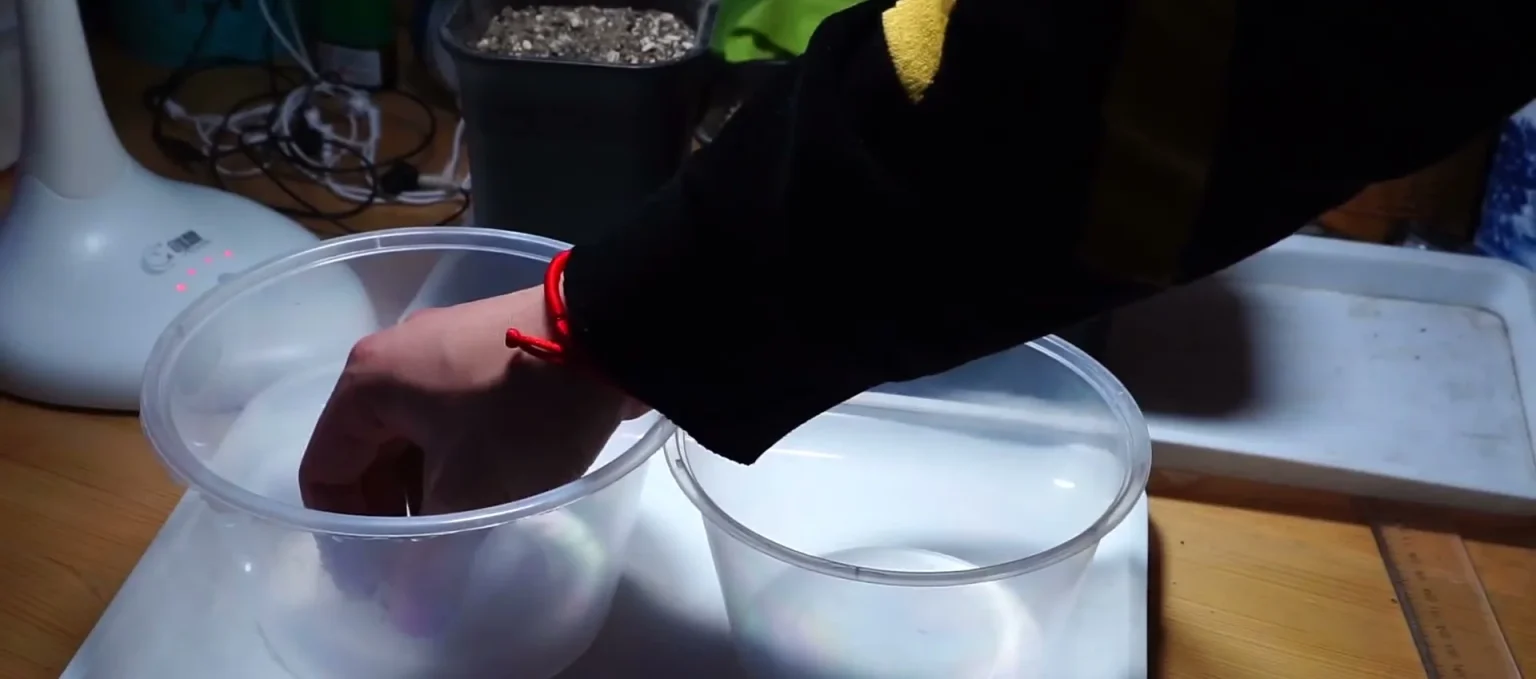
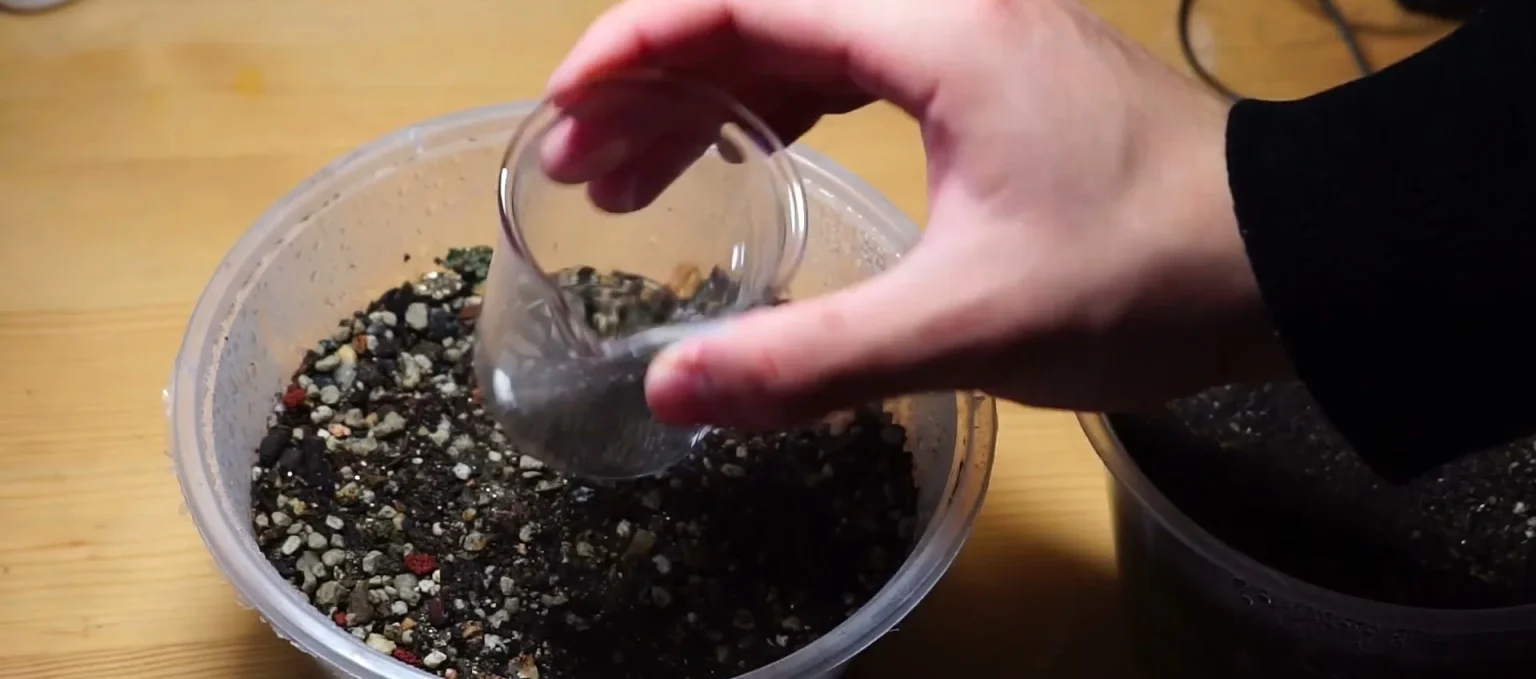
Step 7: Pour in the gritty mix. Fill the box until you have about 2 in (5 cm) of mix under where the seed will lie. The box doesn’t need to be any deeper than that.
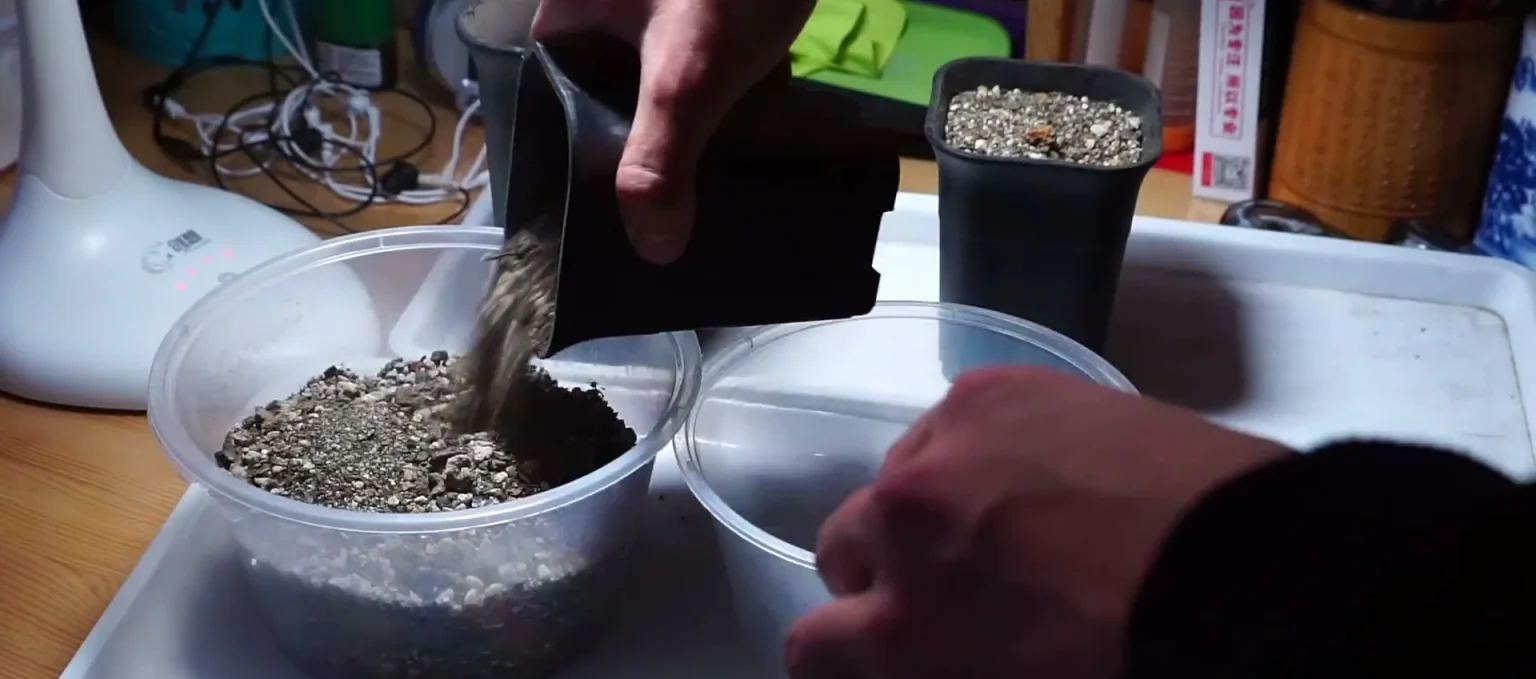
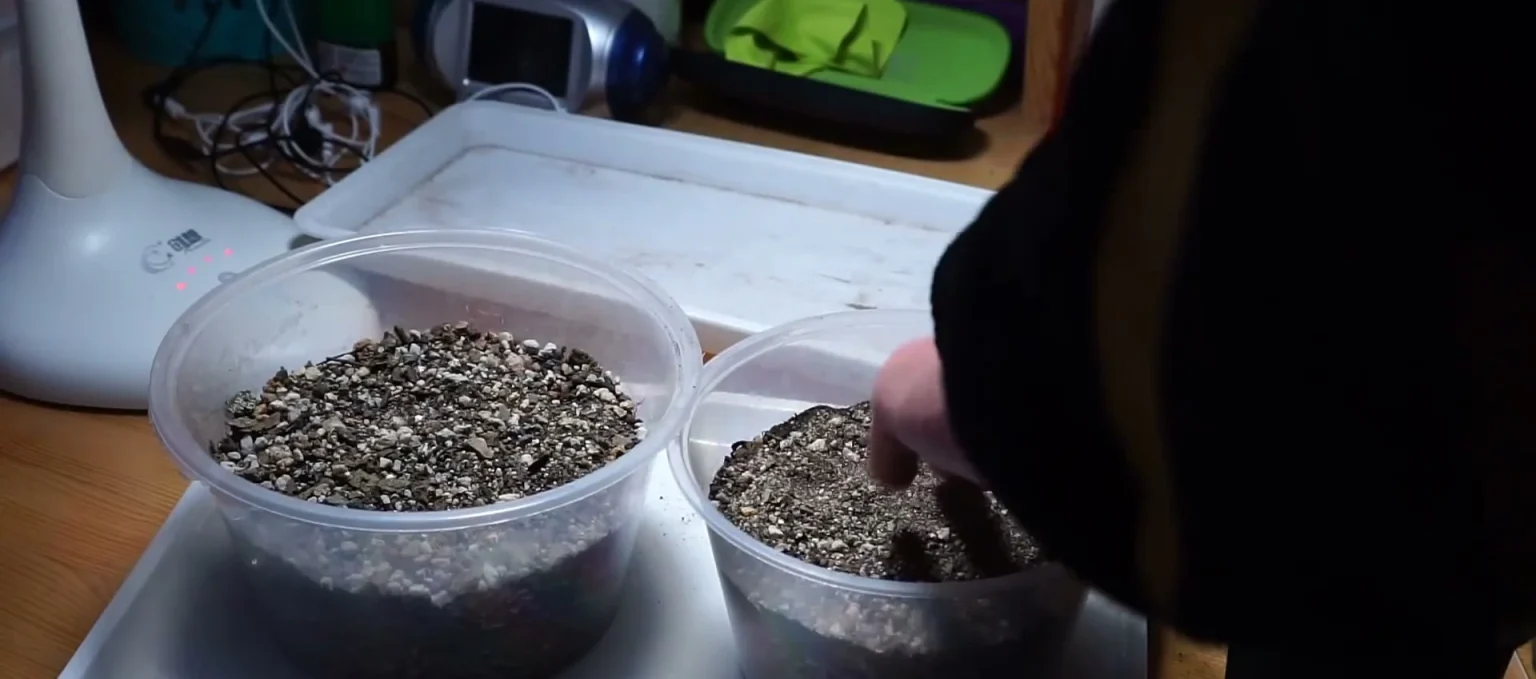
Step 8: Fill the second box and level both. Run your fingers across the top so the surface sits fairly flat. Dips collect seed, and you want it spread thin.
Step 9: Water the mix until it’s soaked through. The water should drop away fast, which shows the grit is doing its job. Meanwhile the seed keeps soaking in the warm water, and after about six hours all of it should be lying on the bottom of the beaker.
How to plant cactus seeds on the surface
With the box wet and the seed full of water, sowing itself takes only a couple of minutes. I’d go slowly here anyway, because this is the part that decides whether anything comes up.
Step 10: Drain the seed and leave it overnight. Pour the water off once all the seed has sunk, and let it dry for a night in the beaker. Next day, tip it into your palm so you can pinch out a little at a time.
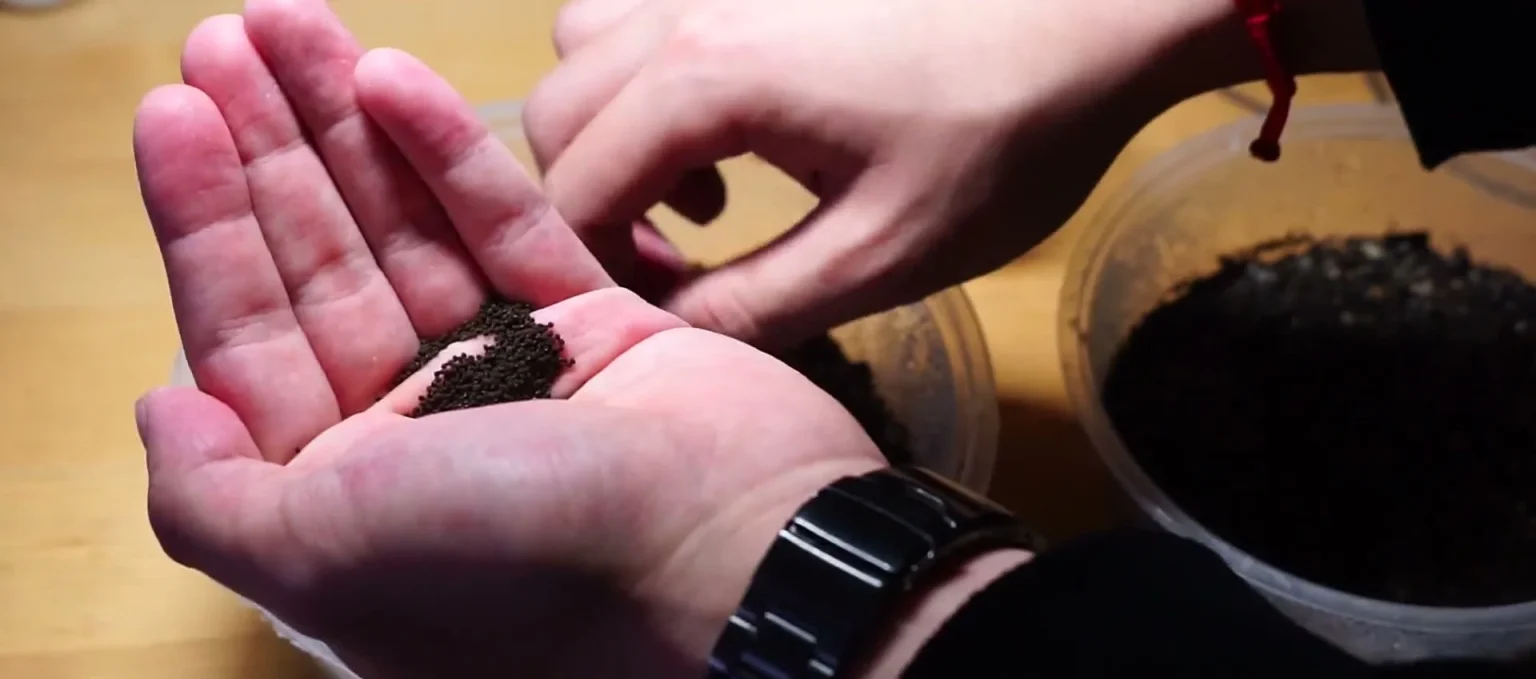
Step 11: Sprinkle a thin layer on top and leave it uncovered. Let the seed fall from your fingers across the surface, then stop. Add nothing over it. The seed is tiny and doesn’t send up a tall stem like other plants, so a sprout under soil can’t break through and dies there. Left on top, the seed takes up water, opens and pushes its own root into the mix.
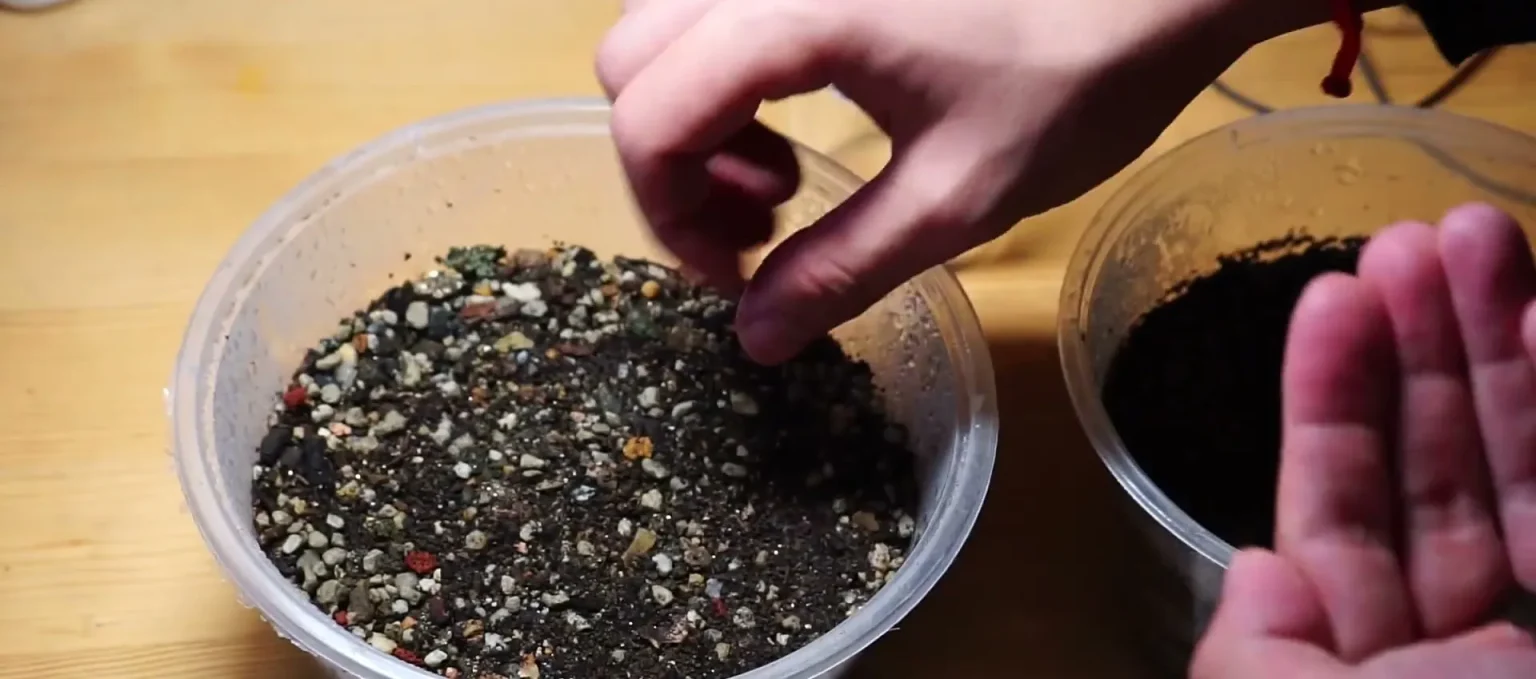
Step 12: Mist the surface. Spray gently over the whole box. The slight force of the droplets presses each seed against the mix, so it stays where it landed.
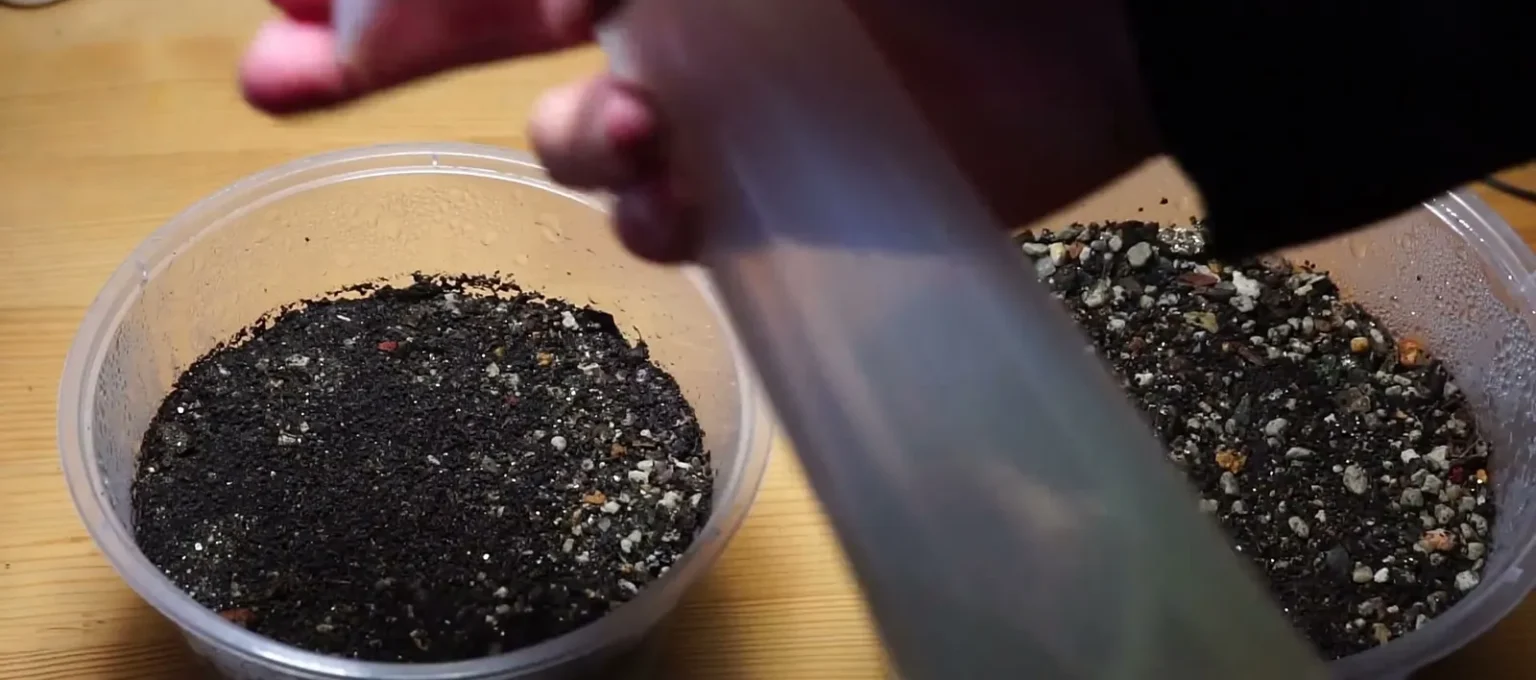
Step 13: Check that the seed looks plump and glossy. Compare it with the wrinkled seed from Step 3. Fuller, shinier seed tells you it has drunk its fill and can start to germinate where it lies.
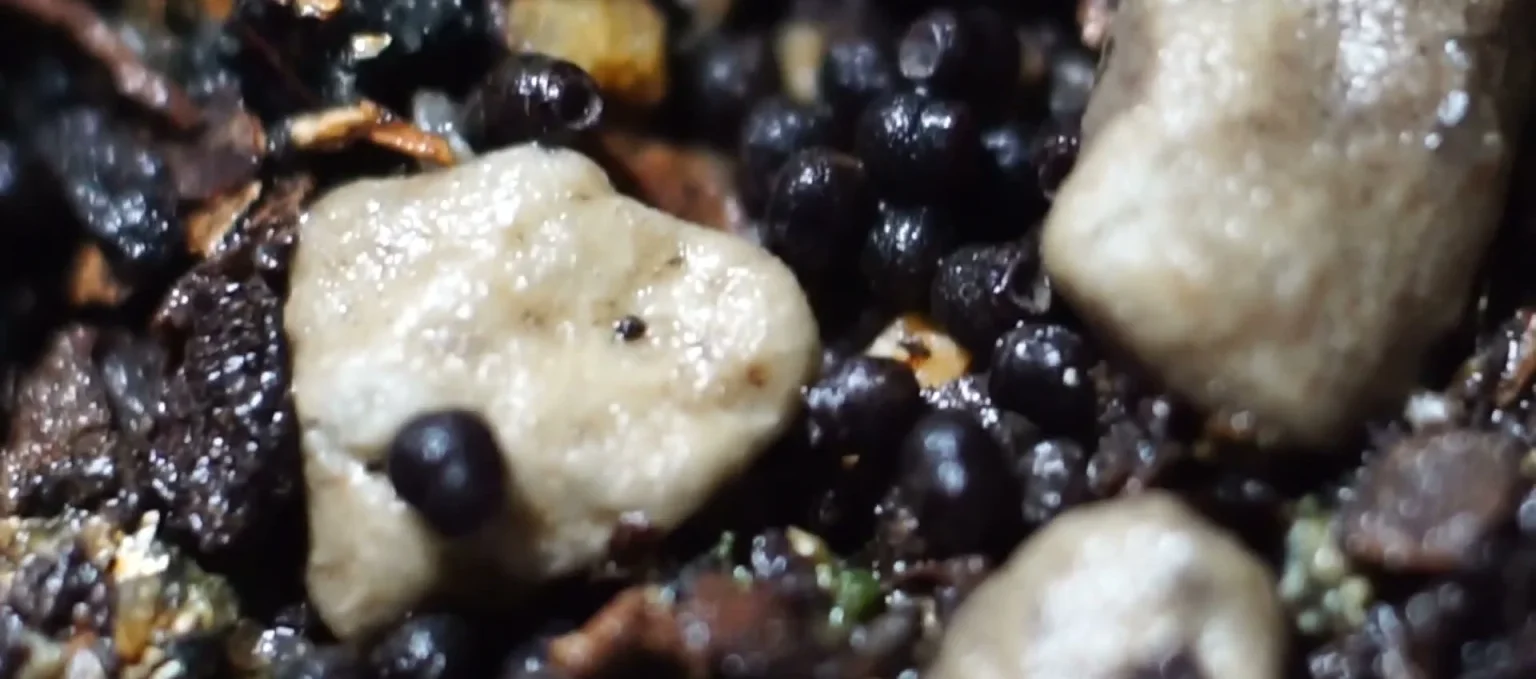
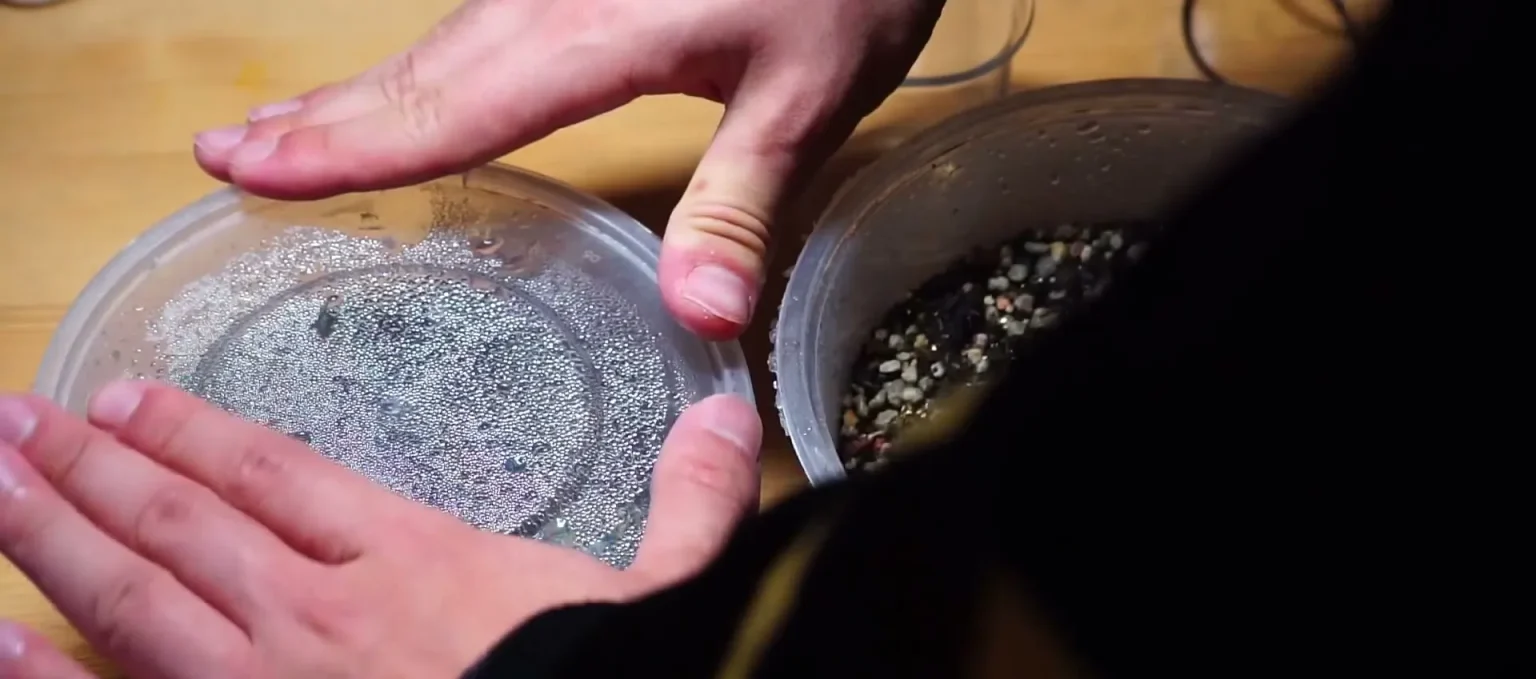
Step 14: Press the lid on. Work your way around the rim until the lid sits down. Fine droplets under it are a good sign, because they show the air inside is staying humid. That condensation is the point of a closed container, since evaporation from the mix ends up back on the surface instead of leaving the box.
How long cactus seeds take to sprout
Many cactus species sprout within one to three weeks, and easy seed can be far quicker if it stays warm. The two days or so in this batch belong to this batch, so don’t throw out a box that takes longer. Warmth is what you control during the wait.
Step 15: Put the box in a warm spot. Hold it at 68°F (20°C) at the very least, and ideally around 77°F (25°C). A radiator did that here. Without a radiator or other steady heat, don’t sow out of season. Wait for spring or fall, and choose spring if you can, since the weather keeps warming and the seedlings run straight into the summer growing season. One addition of mine: a seedling heat mat can stand in for the radiator.
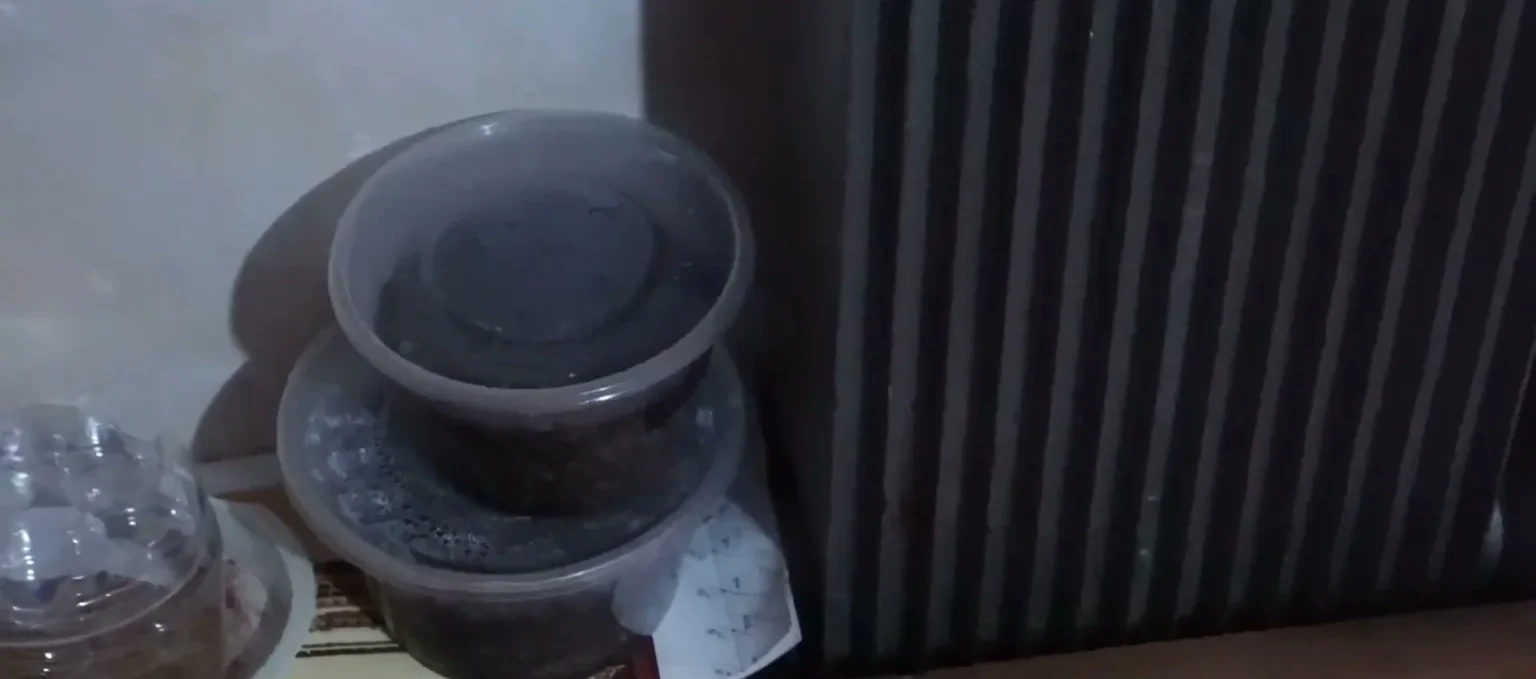
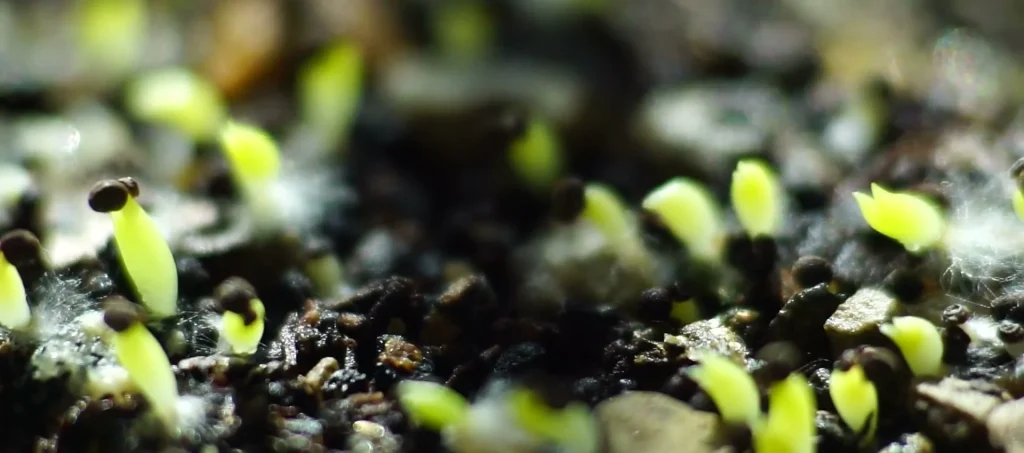
Step 16: Open the box and look for the first root. Check the surface after a day or so. The first sign is a split seed coat with a white, fuzzy root coming out of it. Seeds that have only cracked open will follow.
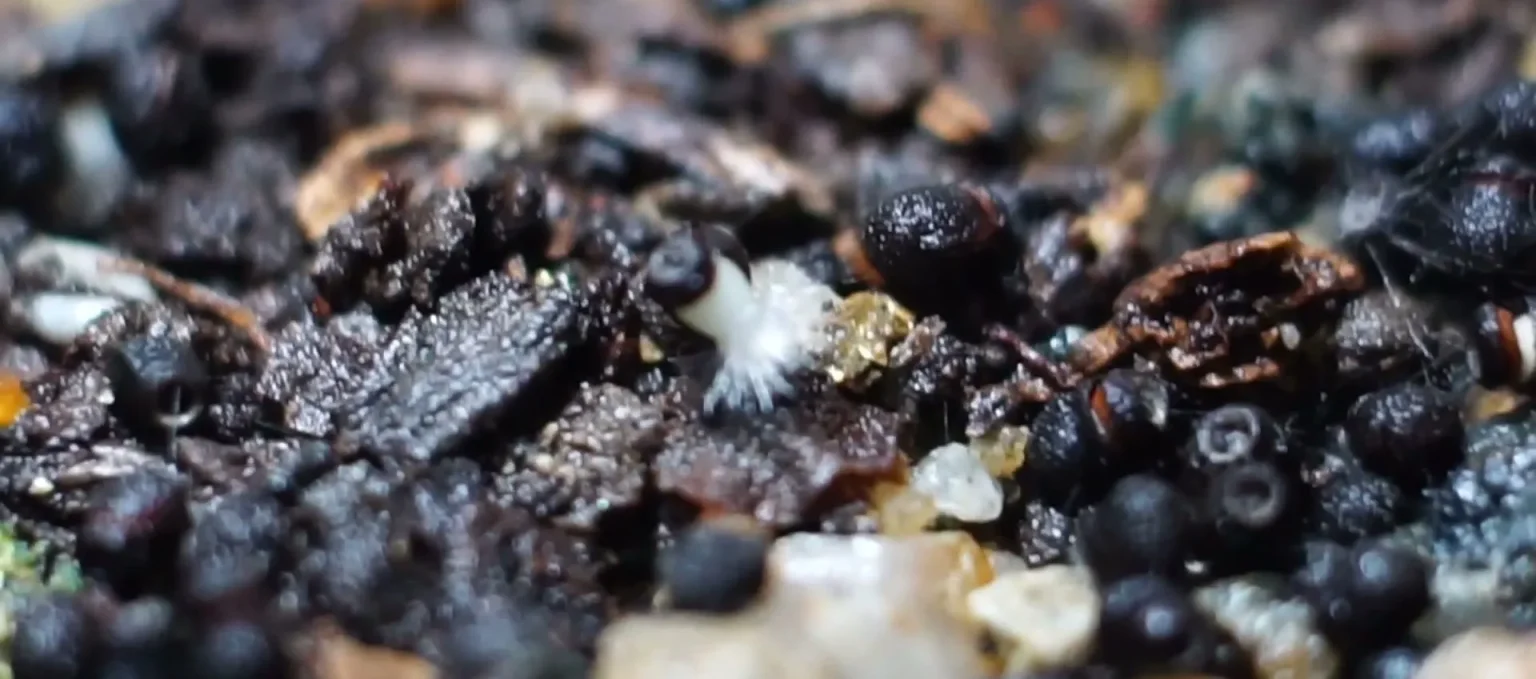
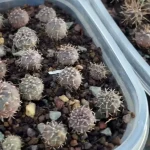
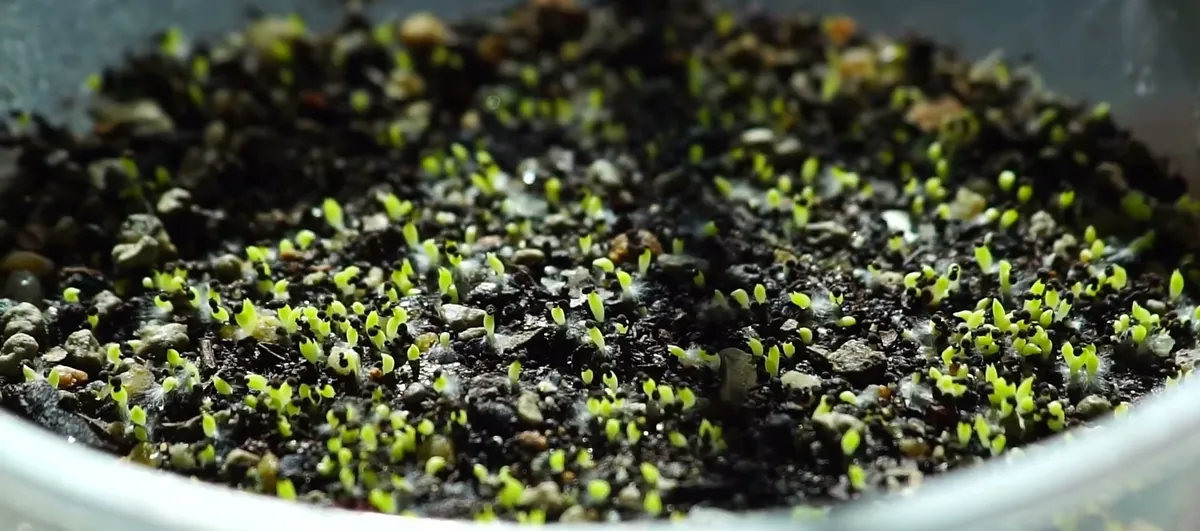
Step 17: Close the box and keep it warm. Put it back in the same spot. About a day later, this whole box had sprouted. Sprouts this young can look pale, a bit like green bean sprouts, because they’re short of light. That doesn’t hurt them at this age, and they make up for it as they grow.
How to grow cactus seedlings in filtered light
A box full of sprouts needs light next, and the risk flips from too little to too much.
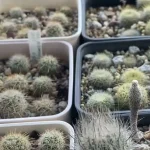
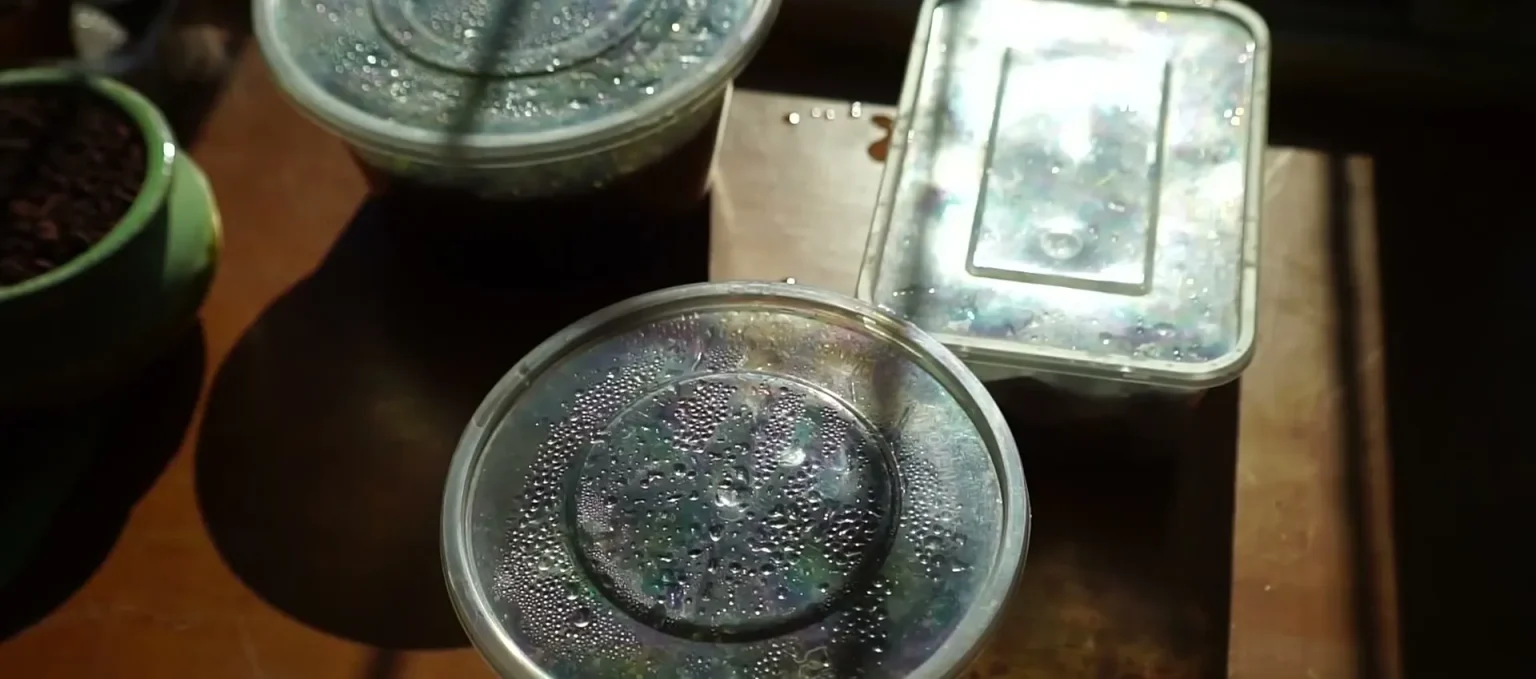
Step 18: Move the box into soft light. These seedlings can’t take strong direct sun. The light here came through two panes of window glass, and the frosted lid cut it further. If your window gets harsh midday sun, a sheer curtain does the same job. Soon each top forks into two seed leaves, called cotyledons, shaped like tiny horns.
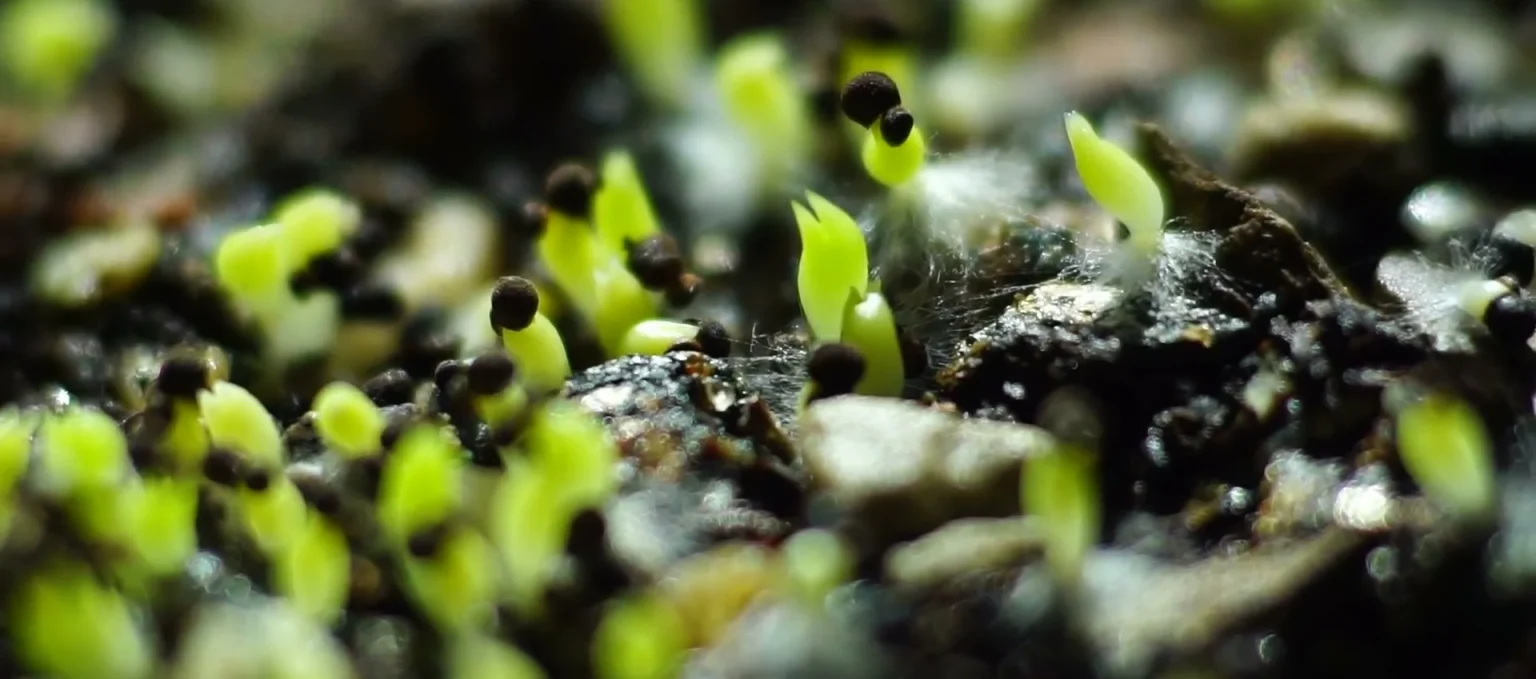
Step 19: Don’t mistake the white threads for mold. Look closely around the base of each seedling and you’ll find fine white fuzz. That’s root hairs, so leave it alone and don’t reach for a fungicide.
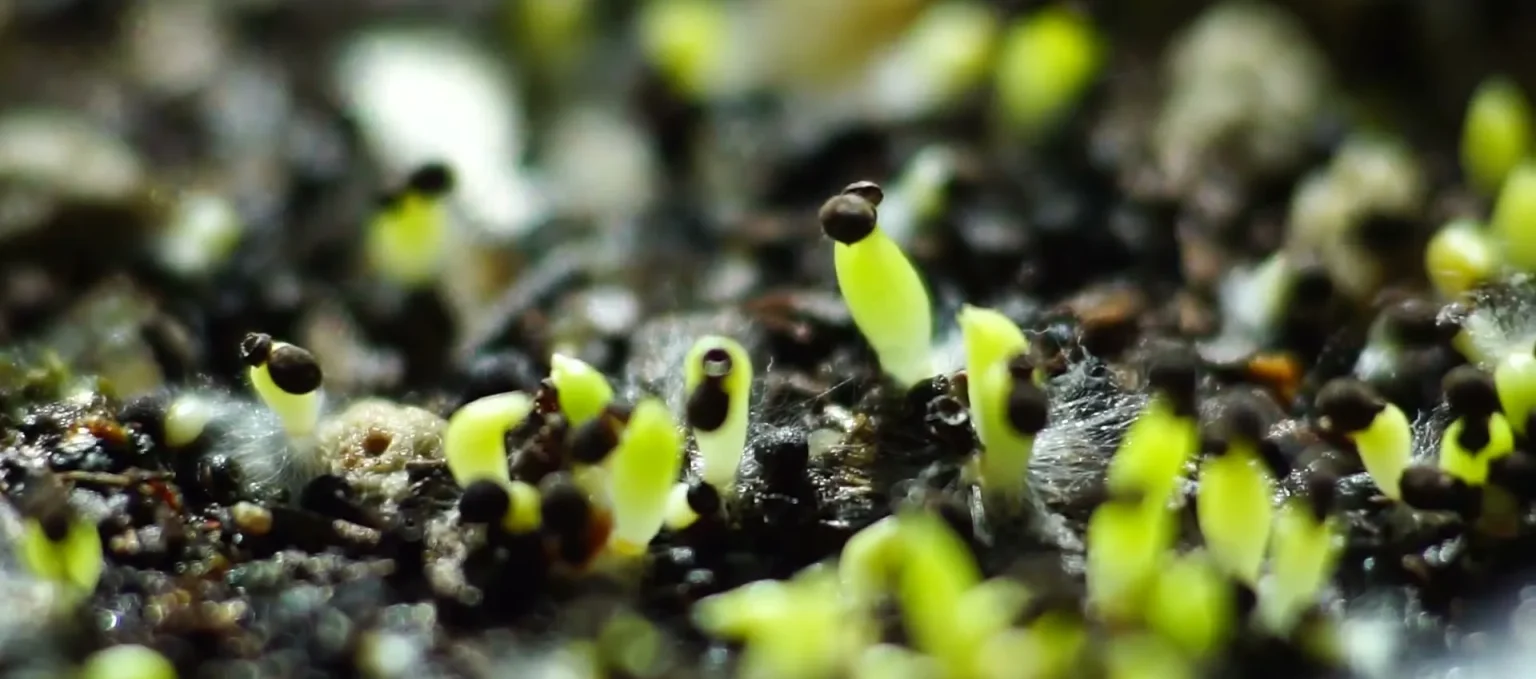
Step 20: Leave the boxes in that light to keep growing. Keep the lids on and keep the light filtered through this stage, so the seedlings can size up without getting scorched.
Growing cactus from seed after the first weeks
The photos of this batch stop at the forked seed leaves, so I can’t show you the next stage step by step. What follows is the general method, and my cactus care guide picks up from there once the plants are bigger:
- Opening the lid: once most seedlings are up, open the lid a little more each day. They toughen up, and the moving air helps keep mold off.
- Watering: a lidded box loses very little, but an opened one dries faster. Mist when the top of the mix turns pale, and keep the mist light.
- Moving to pots: seedlings stay tiny for months, so there’s no rush. Wait until they crowd each other or show clear spines, then follow my steps for repotting a cactus, keeping the mix gritty.
- Size and flowers: a globe cactus can take a year or two to reach the size of a marble, and many cacti take three to five years to flower from seed.
- Variation in the box: seed from a hybrid won’t come true, so expect differences in coloration, spines and growth rate among the seedlings.
I can’t give you a reliable transplanting date, because seedling development depends on species, temperature and light. I go by crowding, not by the calendar.
Why cactus seeds fail to sprout
Most failed boxes trace back to something in the steps above, and each one has a plain fix:
- Buried seed: a sprout can’t push through soil. Scatter fresh seed on the surface and add nothing on top.
- Too cold: under 68°F (20°C), don’t expect much. Move the box somewhere warmer, or wait for spring.
- A box with no air: a fully sealed box can smother seed. Use a lid that leaves a small gap at the rim.
- Harsh sun: direct sun on a closed box is too much for seedlings. Move it behind glass or a sheer curtain.
- Seed stored badly: seed in the freezer, or kept damp, may never wake. Keep it cold, dry and in the fridge, and sow within about a year.
- Real mold: root hairs stay at the base of each seedling, while mold usually creeps across the mix or sits on the seed itself. If you see that, give the box more air by opening the lid a little.
If a box stays blank after a few weeks at the right temperature, I wouldn’t throw it out straight away, because germination in slower species can be irregular.
Cactus from seed questions
Are cactus hard to grow from seed?
Getting cactus seed to sprout isn’t hard if you keep it warm, damp and uncovered. Easy seed like this batch can come up within days. The hard part is the wait afterward, because seedlings stay tiny for months and need gentle light the whole time.
How long does a cactus take to grow from seed?
A cactus can sprout within days or weeks, but growing one to any real size takes much longer. A globe cactus can need a year or two to reach the size of a marble, and many cacti need three to five years to flower.
How do you plant cactus seeds indoors?
To plant cactus seeds indoors, sprinkle them on top of damp, gritty mix in a lidded box and keep the box at 68°F (20°C) or warmer. Everything in this guide happened indoors. Once the seed is up, a bright window with filtered sun is all the seedlings need.
Do you have to soak cactus seeds before planting?
You don’t have to soak cactus seeds. A warm soak of about six hours helps wake them and plumps up seed that’s been stored dry, but it isn’t essential. If you skip it, sow the dry seed the same way and keep the surface moist.
Should you cover cactus seeds with soil?
No, leave cactus seeds uncovered on the surface of the mix. They’re tiny, and a sprout can’t push up through a layer of soil, so a mist is all the seed needs to settle.
What is the most common mistake when growing cactus from seed?
In my view, burying the seed is the mistake to avoid first, because it feels like the correct thing to do and it’s fatal to the sprout. Close behind it is putting young seedlings in strong direct sun.
Can you grow a cactus from a piece of cactus?
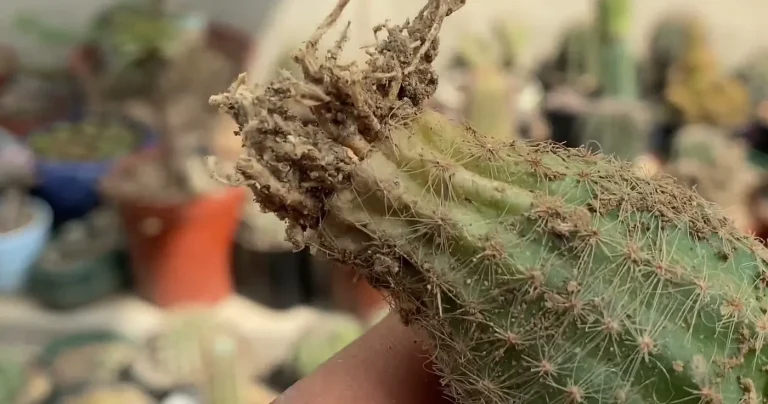
Yes, you can grow a cactus from a pad or a cut top, and it’s much faster than seed. A pad needs about three weeks to root and a column top three to four, provided the cut has dried first.
The rest of what I’ve learned about these plants starts at the Succulent Primer front page.