Yucca Cactus: Is Yucca a Cactus, and How to Tell Them Apart
Quick answer
Yucca is not a cactus. The plant often sold as a “yucca cactus” belongs to the asparagus family, Asparagaceae, in the same subfamily as agave, while true cacti form their own family, Cactaceae. Yucca has no areoles, the fuzzy bumps that every cactus grows its spines from, and its leaves are long blades rather than swollen stems. It shares desert habitats and dry-soil care with cacti, which is why the two get lumped together.
Is a yucca a cactus? The short answer
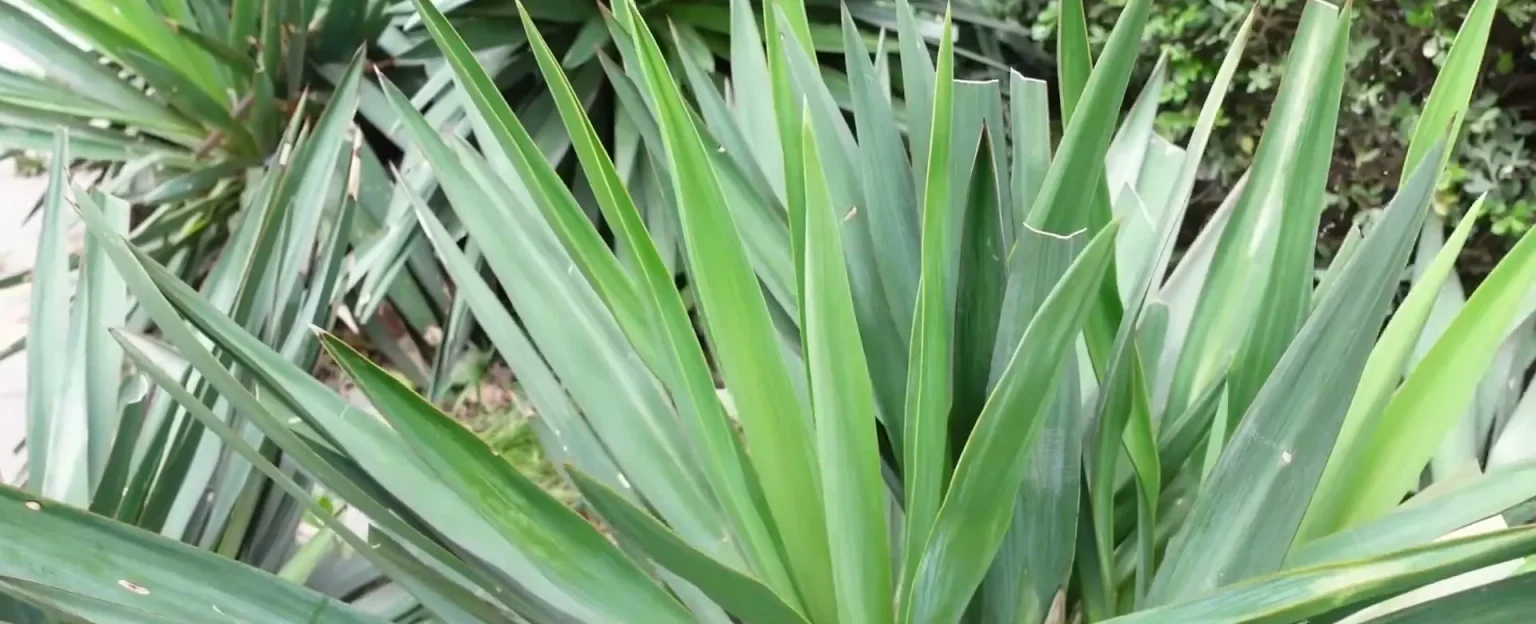
No. “Yucca cactus” is a shop label, not a botanical name. Yucca is a genus of roughly 40 to 50 species of shrubs and small trees from the Americas, from the southern United States through Mexico and into the Caribbean. Botanists place it in Asparagaceae, subfamily Agavoideae. Agave sits in that same subfamily, so agave is a much closer relative to yucca than any cactus is.
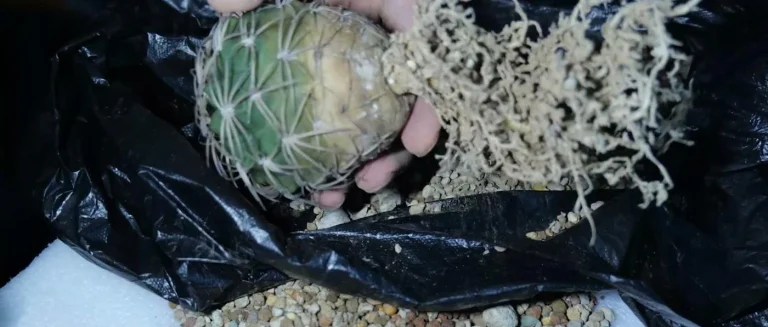
A cactus is defined by the areole, a small cushion on the stem that produces spines, new shoots and flowers. No plant outside Cactaceae has areoles. A yucca’s sharp tip is just the hardened end of a leaf, not a spine growing from an areole.
Yucca vs cactus: what to look at
When I am sorting a pot of mixed “desert plants” on my rooftop, the quickest check is to ask where the green part is. On a cactus the stem does the photosynthesis and stores the water; on a yucca the leaves do.
| Feature | Yucca | Cactus |
|---|---|---|
| Plant family | Asparagaceae (subfamily Agavoideae) | Cactaceae |
| Main green part | Long, flat or keeled leaves | Thick stem; leaves absent or tiny |
| Spines | None; leaf tips end in a hard point | Grow in clusters from areoles |
| Areoles | No | Yes, always |
| Water storage | Thick trunk or underground stem | Swollen stem |
| Flowers | Tall stalk of white, bell-shaped flowers | Single flowers that open from areoles |
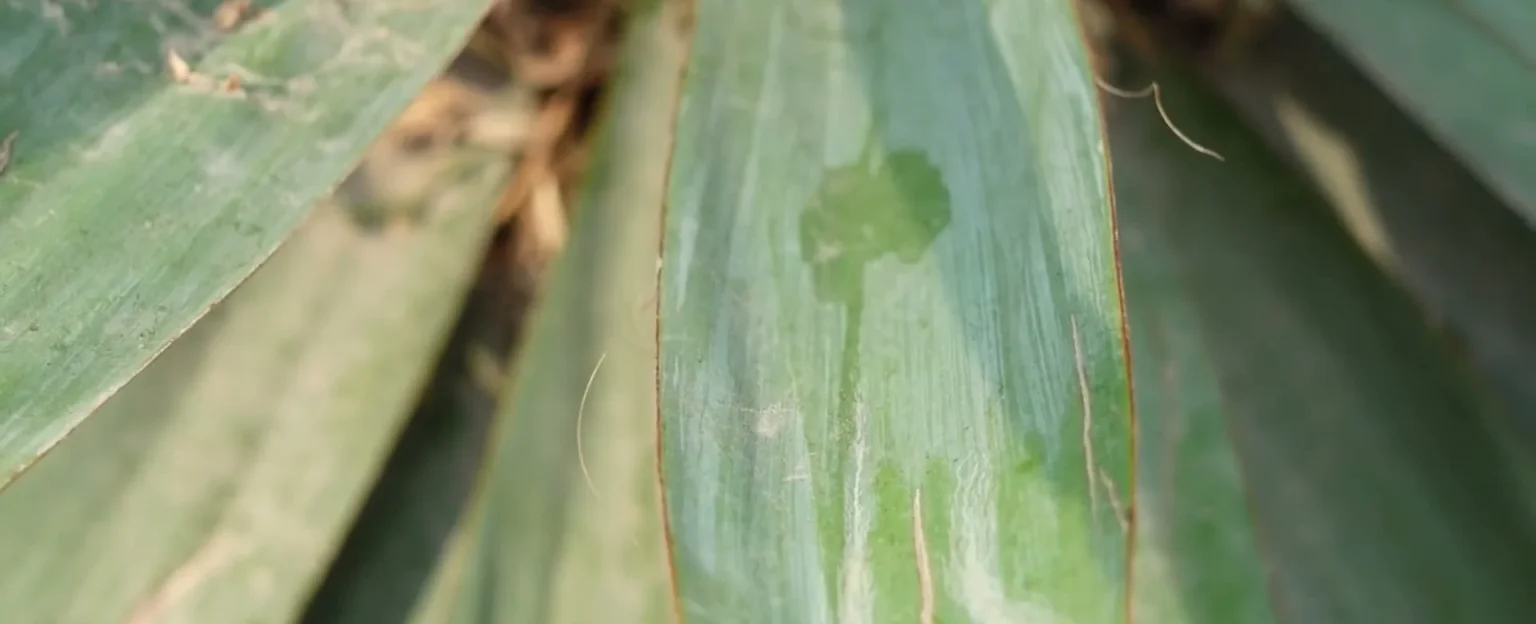
Run a finger along a yucca leaf from base to tip (carefully, the point is sharp). The surface is smooth and leathery, with no bumps, hairs or spine clusters along the way.
If you want to go the other way and work out which cactus you have, the cactus identification guide walks through areoles, ribs and spine patterns.
Yucca vs agave: the more common mix-up
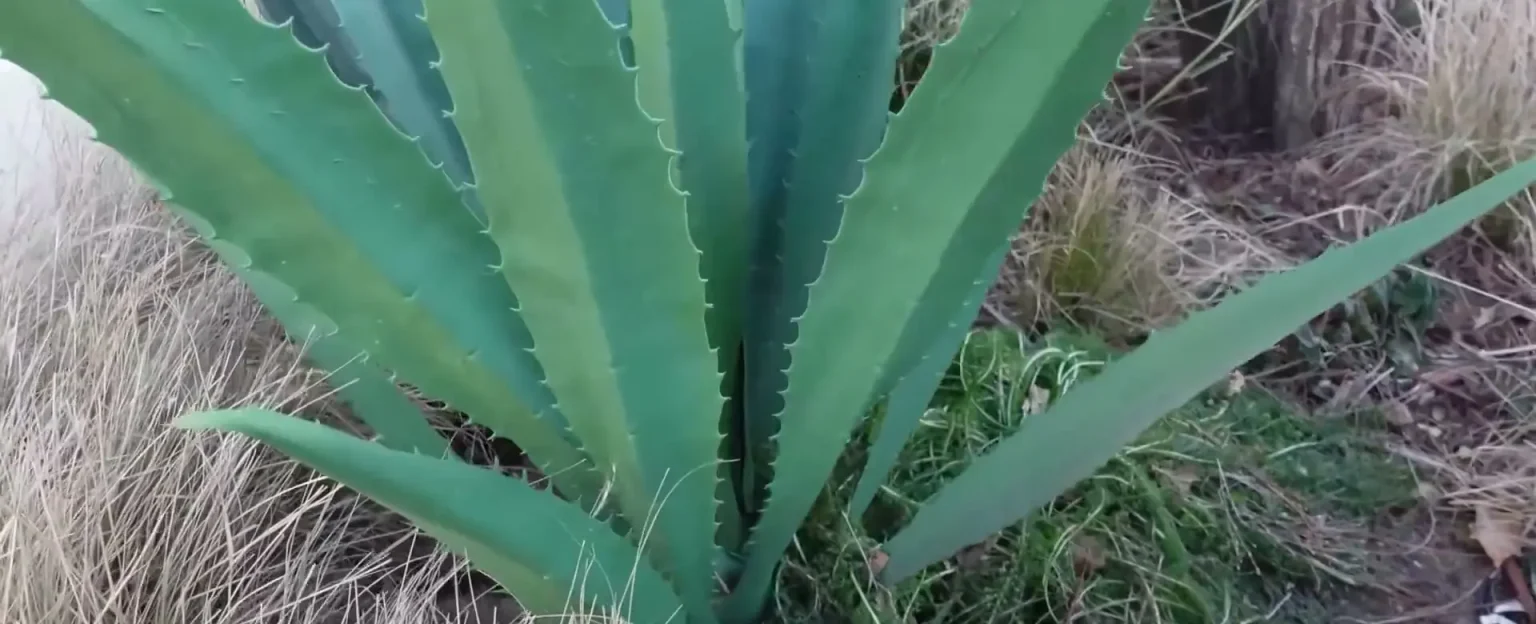
Yucca gets confused with agave far more often than with cactus, and for good reason, since both grow as a rosette of stiff, pointed leaves. Three things separate them:
- Leaf edges. Most agaves have hooked teeth along the leaf margin. Most yuccas have smooth edges; some, such as Yucca filamentosa, shed curly white threads from the margin instead of teeth.
- Leaf feel. Agave leaves are thick and fleshy, closer to a succulent pad. Yucca leaves are thinner, firmer and more fibrous.
- Flowering. Most agaves flower once, after many years, and the rosette dies afterward. A yucca rosette can flower again in later years.
Yucca flowers and the yucca moth
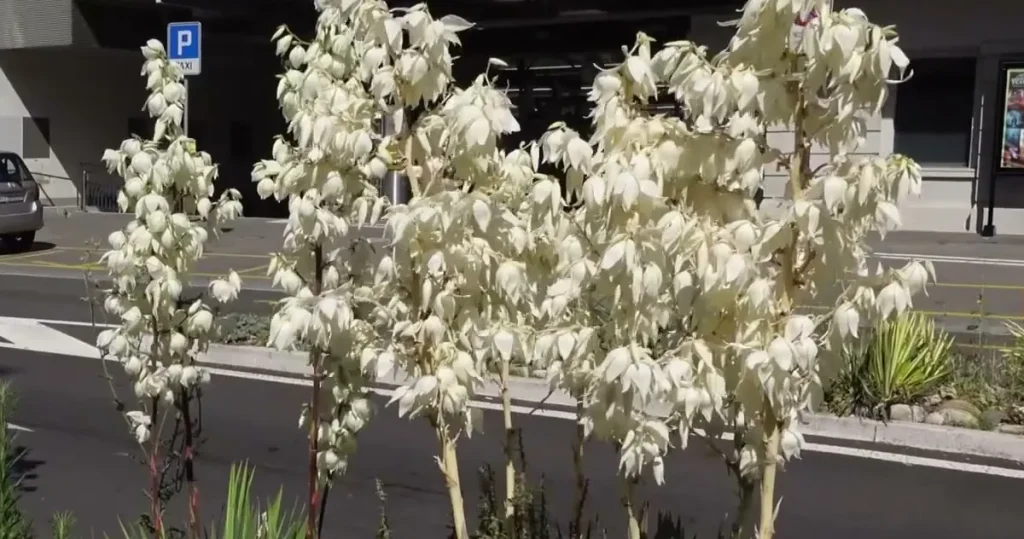
Yucca sends up a tall stalk of creamy white, bell-shaped flowers, usually in late spring or summer. Those flowers are pollinated almost entirely by yucca moths. The female moth gathers pollen, carries it to another flower, lays its eggs in the ovary and packs the pollen onto the stigma. The larvae eat some of the developing seeds, and the rest ripen. Neither partner can complete its life cycle without the other, which makes this one of the best-known pollination partnerships in botany.
Cacti flower in a completely different way: each bloom opens from an areole on the stem. The flowering cactus page shows what that looks like.
Common yucca plants sold as “yucca cactus”
- Yucca elephantipes (also sold as Yucca gigantea, spineless yucca): the usual indoor yucca, with a woody cane and soft-tipped leaves.
- Yucca filamentosa (Adam’s needle): a stemless garden rosette with threads along the leaf edges; one of the most cold-hardy yuccas.
- Yucca glauca (soapweed yucca): narrow, blue-gray leaves; native to the Great Plains.
- Yucca brevifolia (Joshua tree): the branching tree yucca of the Mojave Desert.
- Yucca rostrata (beaked yucca): a single trunk topped with a ball of fine blue leaves.
How to care for a yucca
Yucca care overlaps with cactus care in the basics, but yuccas are generally tougher about cold and less fussy about pots.
- Light. Give it full sun outdoors, or the brightest window you have indoors. Weak light makes indoor yuccas stretch and lean.
- Soil. Use a gritty, fast-draining mix. A cactus and succulent mix works well for potted yuccas.
- Water. Water deeply, then let the soil dry out most of the way down before watering again. Indoors in winter, cut back to an occasional drink. Soggy soil rots the roots and the base of the cane.
- Temperature. Indoor yuccas like Y. elephantipes dislike cold, so keep them away from chilly winter windows. Garden species vary a lot; Y. filamentosa is very hardy and overwinters outdoors in cold regions, while desert species dislike cold, wet winters.
- Pots. Choose a heavy pot with a drainage hole. Tall cane yuccas get top-heavy and tip over in light plastic pots.
- Pruning and dividing. Cut off old brown leaves at the base. To make more plants, remove offsets (pups) that sprout around the base, let the cut end dry for a few days, then plant them in dry mix.
Wear gloves and keep the plant away from walkways: the stiff leaf tips can pierce skin as easily as a cactus spine.
If you came here looking for a cactus
Plenty of people search “yucca cactus” for a tall, spiky, desert-looking plant, and some of them really want a true cactus. For upright shapes, see the tall cactus list; for a branching, tree-like desert cactus, look at cholla. Both give you the areoles, ribs and spines that a yucca never has.